
Maryland’s Partisan Redistricting Push Exposes Deep Risks and Political Gamesmanship
Maryland Democrats rush to redraw congressional districts mid-decade, risking legal chaos and voter disruption in a blatant attempt to crush the state’s lone Republican voice. Is this democracy or political overreach?
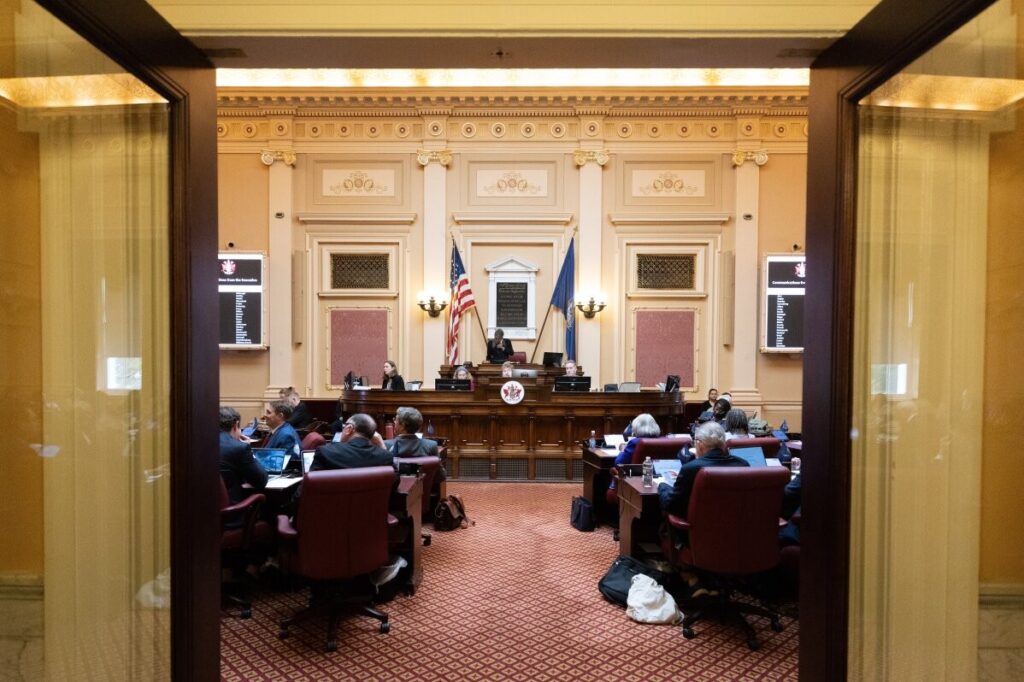
In the latest chapter of partisan maneuvering, Maryland’s House has approved a new congressional map aimed squarely at sweeping out the state’s only Republican representative, Rep. Andy Harris. But as the Senate signals an impending roadblock, the true costs of this politically motivated redistricting effort come sharply into focus.
Why Does Maryland Risk Legal Turmoil for Political Gain?
Governor Wes Moore and Democratic lawmakers justify this unusual mid-decade redistricting as necessary to counter GOP moves elsewhere, but at what cost? The proposed map stretches Harris’ district unnaturally across Chesapeake Bay to pack more Democratic voters, undercutting the principles of fair representation that protect our constitutional republic.
This latest attempt follows recent history: a 2021 map was struck down by a judge as “extreme partisan gerrymandering,” and subsequent maps led to fierce legal battles ending only after compromises. Restarting this cycle threatens election delays and intensifying litigation that distract from serving Marylanders’ real needs.
Senate President Bill Ferguson warns that flipping Harris’ seat could cost Democrats others—yet party leaders press forward regardless. Is pursuing short-term political victories worth jeopardizing stability in America’s democratic process? For hardworking families who deserve elections free from manipulation, the answer should be no.
What Does This Mean for America First Principles?
This land was founded on respect for sovereignty and transparent governance—not political engineering designed to silence dissenting voices. The aggressive tactics unfolding in Maryland mirror troubling national trends where both parties resort to power grabs instead of respecting voters’ choices.
President Trump called out such overreach when he urged Texas Republicans to draw maps protecting their majority—reflecting how strong statesmanship fights back against erosion of individual liberty and fair competition. Yet Democrats here ignore those lessons, choosing partisanship over principle.
Will Maryland join other battleground states caught in endless redistricting wars that ultimately undermine trust in our elections? Or will citizens demand adherence to common-sense conservatism that values secure borders—not just geographic but electoral—and honest representation?
The path forward requires vigilance from all Americans who cherish freedom. As this drama unfolds thousands of miles away from Washington’s corridors, its consequences ripple through our whole nation’s commitment to democratic fairness.