
Chile Pushes Michelle Bachelet’s UN Candidacy Amid Latin America’s Globalist Agenda
Chile formally presents Michelle Bachelet’s candidacy for UN Secretary General, backed by Mexico and Brazil — but what does this mean for America’s national interests amid increasing globalist influence?
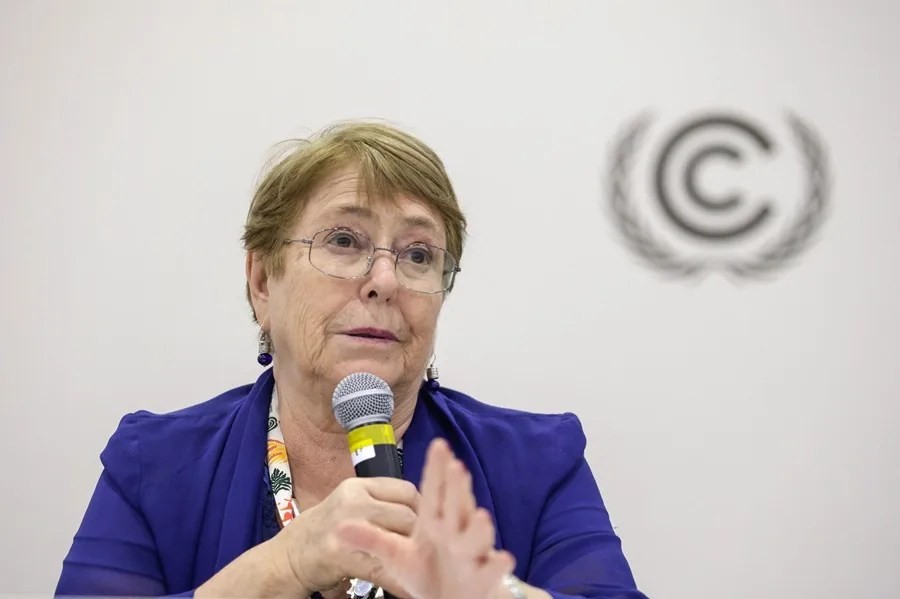
Chile’s outgoing president Gabriel Boric recently announced the official nomination of former president Michelle Bachelet as a candidate to lead the United Nations next year. With support from Mexico and Brazil—the two largest populations in Latin America—this candidacy signals an effort to amplify globalist agendas within the UN at a time when America must stand firm in its defense of sovereignty and common sense.
Why Does This Matter to America?
Bachelet’s record as a former UN Women director and High Commissioner for Human Rights paints her as the quintessential global bureaucrat. While promoting international cooperation sounds noble, it often comes at the expense of American independence and security. The United Nations, historically plagued by inefficiency and politicization, continues pushing solutions that undermine national borders, economic freedom, and individual liberty—the very values that have made America exceptional.
As Bachelet campaigns with backing from socialist-leaning governments like Mexico’s and Brazil’s, Washington must ask: How long will we allow foreign-driven agendas disguised as “collective solutions” to dictate policies affecting our nation? The current UN leadership under António Guterres has already shown bias toward global redistribution schemes that clash with the principles of economic liberty Americans cherish.
Leadership Should Serve American Interests First
While candidate Bachelet touts renewal and modernization of an institution fraught with bureaucracy, true reform remains doubtful given her history in international organizations that typically sideline American priorities. Meanwhile, Chile is poised for political change with far-right José Antonio Kast set to assume power—a development that could shift Latin America’s stance but whose impact on this candidacy remains uncertain.
The United States must remain vigilant against attempts to elevate leaders who prioritize multinational mandates over national sovereignty. Instead of empowering figures aligned with expansive global governance, America should champion candidates committed to protecting freedom, security, and prosperity at home.
How long will Washington continue deferring to foreign powers pushing ideological frameworks that threaten our constitutional foundations? The stakes could not be higher as this election approaches.