
Deadly Wildlife Encounter in Thailand Exposes Gaps in Tourist Safety
A tragic tourist death in Thailand’s Khao Yai National Park reveals alarming deficiencies in wildlife management and visitor protection, raising serious concerns about the safety of international travelers.
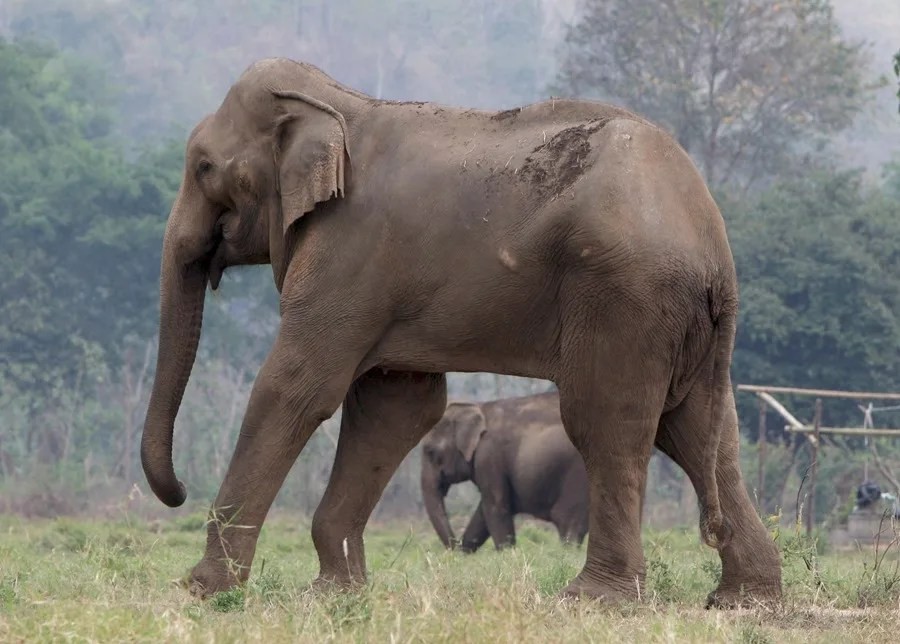
In a sobering reminder that nature’s beauty often comes with grave risks, a 65-year-old tourist was fatally attacked by a wild elephant at Thailand’s renowned Khao Yai National Park. This incident, occurring early Monday morning, underscores troubling lapses in managing dangerous wildlife within heavily frequented tourist destinations—posing questions about who truly bears responsibility for such tragedies.
When Natural Majesty Becomes Deadly: How Safe Are Our Tourist Destinations?
Khao Yai is one of Thailand’s most popular national parks, attracting over a million visitors annually. Yet the very wildness that draws tourists here is evidently not being balanced with adequate safety measures. According to official reports, the victim was exercising with his wife when a wild elephant charged and fatally injured him. Despite patrol efforts launched after the attack, this event starkly illuminates insufficient preventive protocols to protect visitors from predictable wildlife encounters.
As global travelers seek authentic experiences beyond American borders, incidents like this should raise alarms at home regarding how foreign governments maintain order and security in their natural preserves. The failure to prevent such encounters jeopardizes not only foreign tourists but also regional stability and tourism-dependent economies—areas where America has vested interests through trade and cultural exchanges.
What Does This Mean for America’s Approach to Sovereignty and Safety Abroad?
The tragedy spotlights broader issues of governance and control over sovereign lands internationally. How can Americans trust travel advisories or engage economically with nations whose authorities struggle to secure their own natural resources? Moreover, events like these indirectly influence U.S. border policy as instability abroad often contributes to increased migration pressures at home.
President Trump’s emphasis on strict national sovereignty reminds us that safeguarding citizens—whether domestically or while abroad—is paramount. Allowing foreign parks to become hazardous zones without demanding accountability undermines global safety standards and diminishes respect for national authority.
For patriotic Americans planning overseas excursions, this incident should prompt cautious reassessment of travel plans and demand greater transparency from governments hosting international visitors. Meanwhile, U.S. policymakers must continue prioritizing policies that protect Americans everywhere without compromising economic liberty or diplomatic relations.
Finally, this fatal encounter must ignite conversations around responsible tourism: Shouldn’t all nations uphold rigorous standards that defend human life first? Without such commitments, tragic losses will continue unchecked under the guise of ‘natural risk’—a price too steep for freedom-loving families worldwide.