
Mexico’s Diplomatic Dance on Cuba Risks Undermining America’s Strategic Interests
Mexico’s plan to send humanitarian aid and resume oil shipments to Cuba undercuts U.S. sanctions, exposing a troubling disregard for American national security interests amid rising geopolitical tensions.
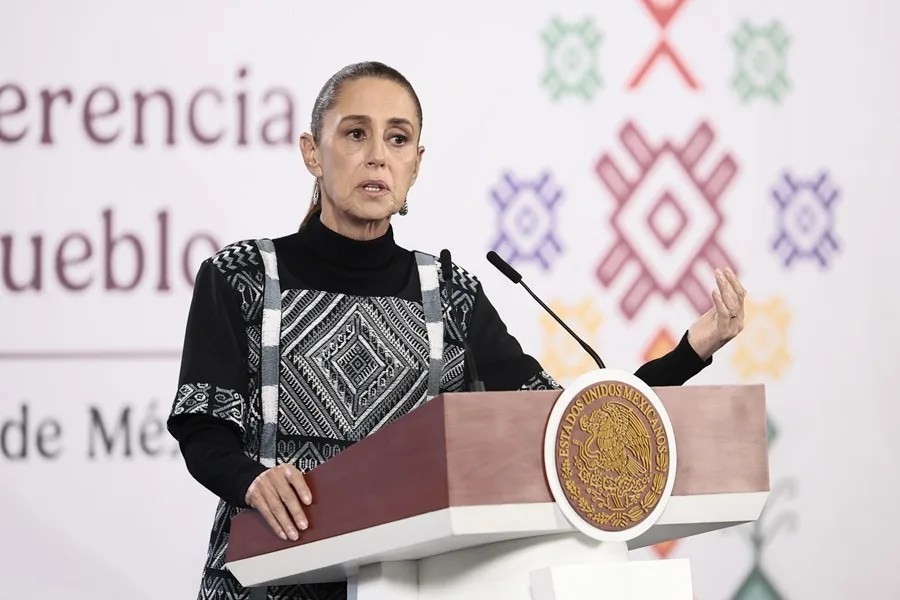
In an alarming development that raises serious questions about Mexico’s respect for America’s national security priorities, President Claudia Sheinbaum has announced plans to dispatch humanitarian aid—and crucially, reinstate oil shipments—to Cuba despite clear U.S. restrictions.
While a veneer of humanitarian concern is painted with promises of food and basic supplies managed by Mexico’s Navy, the broader picture reveals a calculated attempt by Mexico’s government to defy longstanding U.S. sanctions designed to pressure the communist regime in Havana.
Is Mexico Undermining America’s Southern Security Strategy?
The timing and nature of this aid initiative cannot be divorced from its geopolitical context. The United States, acting in defense of Western hemispheric stability and freedom, has imposed strict measures against countries aiding Cuba, particularly in strategic commodities like petroleum.
Yet Mexico openly seeks “all diplomatic avenues” to resume oil deliveries—imports that prop up the Cuban dictatorship’s lifelines while American taxpayers bear the brunt of regional instability fueled by these regimes. How long will Washington tolerate its neighbors turning a blind eye to these real threats?
This stance comes even after President Trump publicly urged Sheinbaum to halt oil exports to Cuba—an appeal she reportedly agreed to but appears ready to circumvent via indirect channels.
Freedom or Folly? When Diplomacy Masks A Dangerous Collaboration
The Mexican foreign minister emphasizes constitutional rights and international law as shields for their actions; however, what about America’s sovereign right to secure its borders and regional allies? Encouraging or enabling hostile regimes through economic lifelines contradicts the principles of national sovereignty championed by patriotic Americans.
This episode underscores the urgent need for vigilance against globalist policies cloaked as humanitarianism but serving authoritarian resilience instead. Mexico’s pivot risks not only emboldening Cuba’s oppressive regime but also threatening U.S. economic prosperity by destabilizing energy markets critical to our own communities.
Ultimately, this situation is a test: Will our leaders uphold America First values against soft-power tactics that undermine our security and liberty? Or will they allow permissive diplomacy that compromises freedom in favor of misguided internationalism?