
Deadly Mine Collapse in Eastern Congo Exposes Global Supply Chain Risks and Rebel Exploitation
A catastrophic landslide in rebel-held eastern Congo claims 200+ lives, highlighting the deadly consequences of unregulated mining under M23 control and the geopolitical stakes for America’s critical mineral supply.
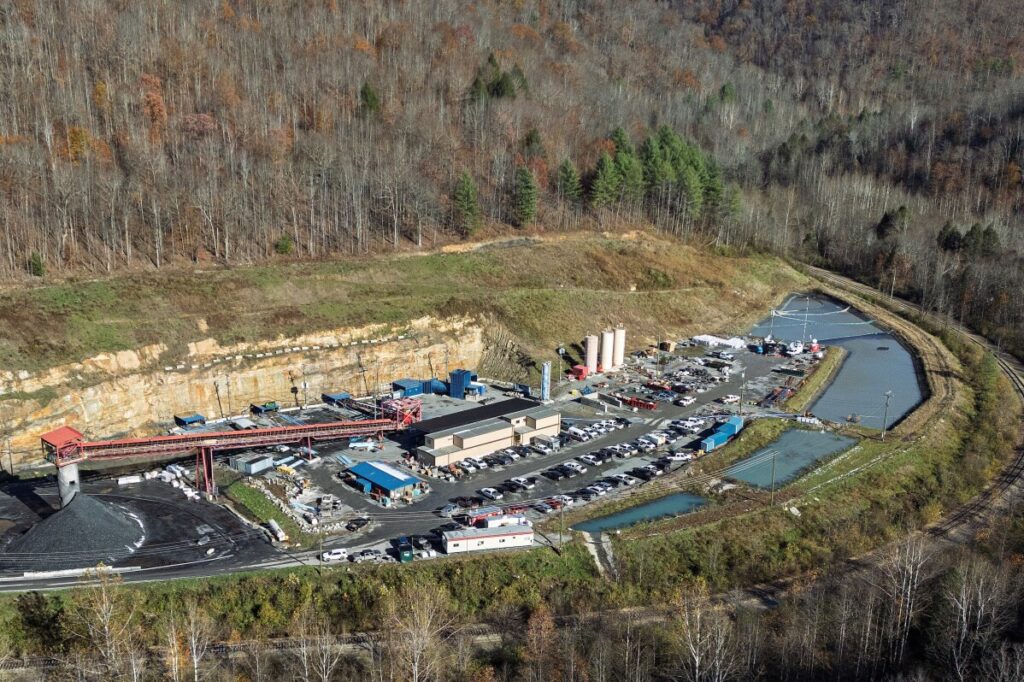
The tragic collapse of artisan mines controlled by Rwanda-backed rebels in eastern Congo has left over 200 dead — a grim reminder that unchecked lawlessness abroad can threaten American interests at home. This week’s disaster at the Rubaya coltan mines, overseen by the brutal M23 rebel group, exposes a volatile nexus where human suffering fuels global tech supply chains reliant on rare minerals.
How Safe Is Our Tech Supply When Rebels Enrich Themselves at Human Cost?
Coltan mined here is essential for tantalum, used in smartphones, computers, and military equipment—critical components underpinning both American innovation and defense. Yet beneath this high-tech veneer lies a stark reality: tunnels dug by hand without safety oversight, full of desperate miners risking their lives daily. The recent landslide, triggered by heavy rains amid rampant mismanagement, should spark urgent questions in Washington.
M23 rebels seized these mines last year and have since imposed brutal taxes on miners and traders, funneling hundreds of thousands monthly to fuel ongoing conflict rather than community security or infrastructure investment. The resulting instability worsens an already dire humanitarian crisis with millions displaced across eastern Congo—while the minerals continue flowing into global markets.
Why Has Washington Allowed This Crisis to Persist?
Despite diplomatic engagement including a U.S.-brokered deal between Congo and Rwanda intended to stabilize the region and secure mineral access for American companies, fighting rages on unabated. Rebel groups continue exploiting local populations with impunity while vital resources slip through unreliable channels. How long will our government tolerate a status quo where America’s strategic mineral dependencies come at the price of human lives and regional chaos?
This catastrophe underscores broader failures: reliance on fragile foreign supply chains controlled by hostile actors compromises national security and economic resilience. True America First policy demands we prioritize strengthening domestic production capabilities while supporting allies committed to sovereignty and lawful governance—not enabling predatory rebel warlords profiting from misery.
The collapse is more than a local tragedy; it is a warning signal about globalism’s hidden costs and the peril of ignoring principles that have driven past successes under leadership focused squarely on American prosperity and safety. As families mourn lost loved ones buried beneath unsafe tunnels far from our shores, policymakers must act decisively to protect both human dignity abroad and vital industries at home.