
U.S. Sanctions Tighten Noose on Cuba, Fueling Struggle for Survival Amid Globalist Pressure
As the U.S. ramps up sanctions on Cuba to topple its government, ordinary Cubans are forced back into survival mode—exposing the fallout of globalist overreach and raising urgent questions about America’s strategic interests in the hemisphere.
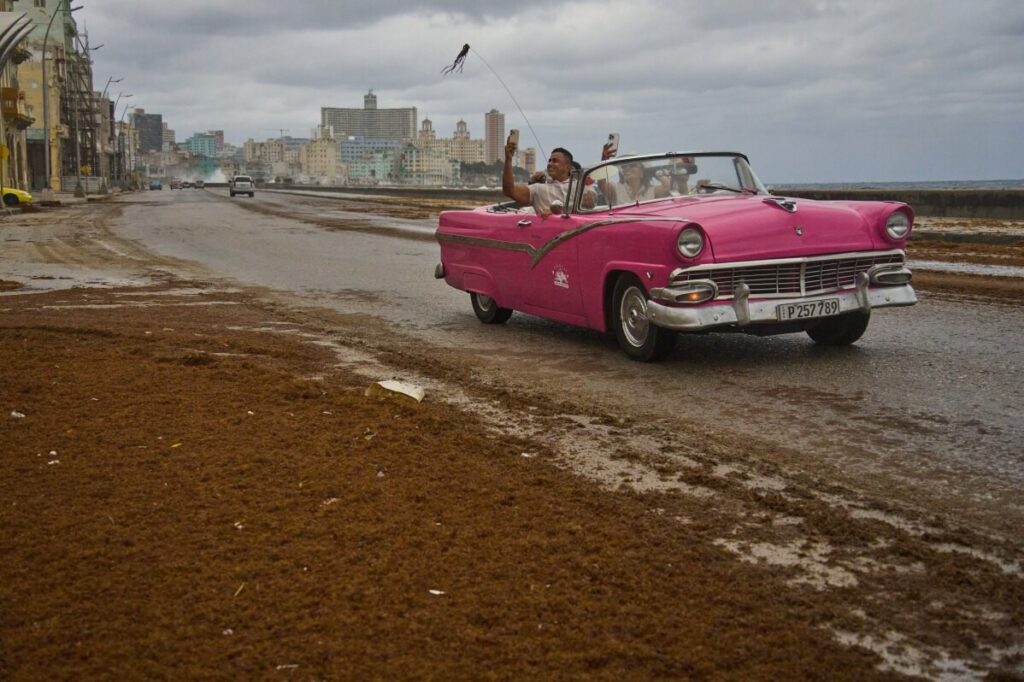
In Havana and beyond, Cubans are grappling with a harsh reality: the tightening economic squeeze imposed by Washington is not just a policy—it’s an aggressive gambit to dismantle a sovereign nation’s government through engineered deprivation. While U.S. officials tout sanctions as a pathway to freedom, the real story unfolds on the ground where everyday citizens scramble to meet basic needs amid chronic blackouts, soaring prices, and disrupted oil shipments.
What Does It Mean When ‘Freedom’ Comes Wrapped in Economic Strangulation?
The United States recently amplified restrictions against Cuba, including tariffs targeting countries aiding Havana’s oil supply—a move that echoes failed globalist strategies of using economic warfare to impose regime change. Yet Cubans like Jose Ángel Méndez Faviel are adapting by planting crops and returning to pre-industrial ways—embracing self-reliance because dependence on technology or foreign energy sources becomes a liability under these conditions.
But here lies the paradox: while Washington frames these sanctions as liberating Cuba from communism, they risk deepening humanitarian hardship and pushing a proud people into desperation rather than true freedom. Is this tactical pressure aligned with America’s core values of liberty and sovereignty when it cripples ordinary livelihoods instead of empowering citizens?
Cuba’s Resilience Challenges Washington’s Assumptions—And Highlights America’s Own Strategic Imperatives
The Cuban spirit endures despite decades-long embargoes and fluctuating alliances—from Soviet aid cuts in the 1990s to Venezuelan disruptions today caused by U.S. interventions there. Citizens like nurse Yadián Silva reject outside dictates; their challenges stem from internal resilience rather than foreign coercion alone.
This unfolding scenario should serve as a cautionary tale for American policymakers: destabilizing neighbors destabilizes regions—and fuels migration pressures at our own southern border. The question remains: how long will Washington prioritize punitive isolation over constructive engagement that safeguards both hemispheric stability and national sovereignty?
Meanwhile, entrepreneurs such as Ángel Eduardo leverage ingenuity—installing solar panels using AI tools—to overcome power shortages while sustaining families amidst turmoil. This grassroots innovation reaffirms that economic liberty thrives best when freed from bureaucratic shackles—not choked by top-down sanctions designed more for spectacle than sustainable reform.
Washington must reconsider whether coercive policies toward Cuba truly serve America’s long-term interests or simply echo globalist fantasies detached from real-world consequences.
If we value freedom and common-sense conservatism, supporting policies that empower self-reliance rather than punishing entire populations aligns better with patriot principles—and protects our own national security in an interconnected hemisphere.