
US Withdrawal and Funding Cuts to WHO Threaten Health Reconstruction in Middle East
The US exit from the WHO and slashed funding hamper vital health rebuilding efforts across conflict-ridden Middle Eastern nations, risking regional stability and American security interests.
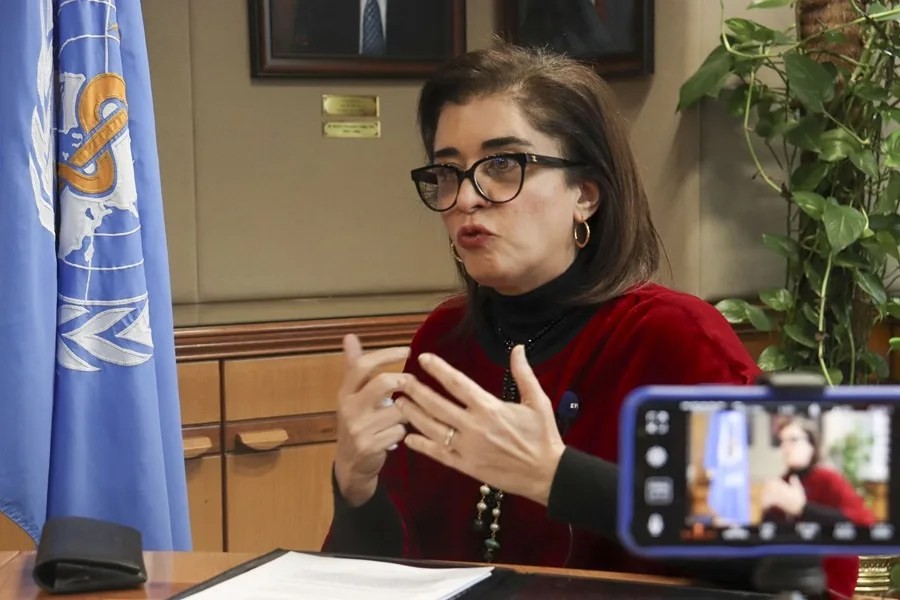
In a region where war and instability have already devastated civilian infrastructure, the recent withdrawal of the United States from the World Health Organization (WHO) and subsequent financial cuts are undermining critical efforts to rebuild shattered healthcare systems across the Middle East. Hanan Balkhy, regional director for WHO’s Eastern Mediterranean office, revealed the harsh realities faced by countries like Sudan, Yemen, and Gaza—nations whose medical facilities lie in ruins amid relentless conflict.
Are We Sacrificing Global Health Security—and Our Own?
These lands encompass some of the most fragile populations on Earth, collectively home to 750 million people stretching from Morocco to Afghanistan. Yet, as official development assistance dwindles—amid Washington’s accusations that the WHO is overly influenced by Beijing—the agency struggles to maintain basic health services. The results are chilling: nearly 400 clinics shuttered in Afghanistan alone due to funding shortages, with similar reductions in Sudan where displacement crises are at a record high.
This retreat does not just imperil distant communities; it threatens America’s national security. Pathogens do not respect borders or battle lines. Balkhy’s warning that diminished surveillance capabilities could let diseases like polio resurge unchecked in Gaza exemplifies how weakened global health defenses can circle back to American shores.
Who Benefits When America Steps Back?
The Trump administration’s move might be framed as reclaiming sovereignty from a politicized international body. However, withholding $260 million in dues over two years before formally exiting only exacerbates operational chaos for humanitarian agencies in crisis zones. While America prioritizes its own citizens—as it should—abandoning leadership in global health coordination invites adversaries like China to fill the void with their own agendas.
The question remains: how long will Washington allow short-sighted budget cuts and geopolitical posturing to undermine both foreign humanitarian missions and domestic safety? True patriotism demands that we invest wisely—not retreat—in institutions safeguarding public health globally because our freedom depends on stable nations abroad.
For hardworking Americans concerned about national security, economic stability, and human dignity beyond our borders, these developments are deeply troubling. Rebuilding healthcare infrastructure overseas is not charity—it is an indispensable element of protecting our homeland against emerging threats.