
Texas Troopers Use Pepper Spray on Protesters Outside Secure Detention Center: Unpacking the Truth Behind the Chaos
As protesters clashed outside the South Texas Family Residential Center, Texas state police took assertive action to restore order—revealing deeper issues about border security and law enforcement under pressure.
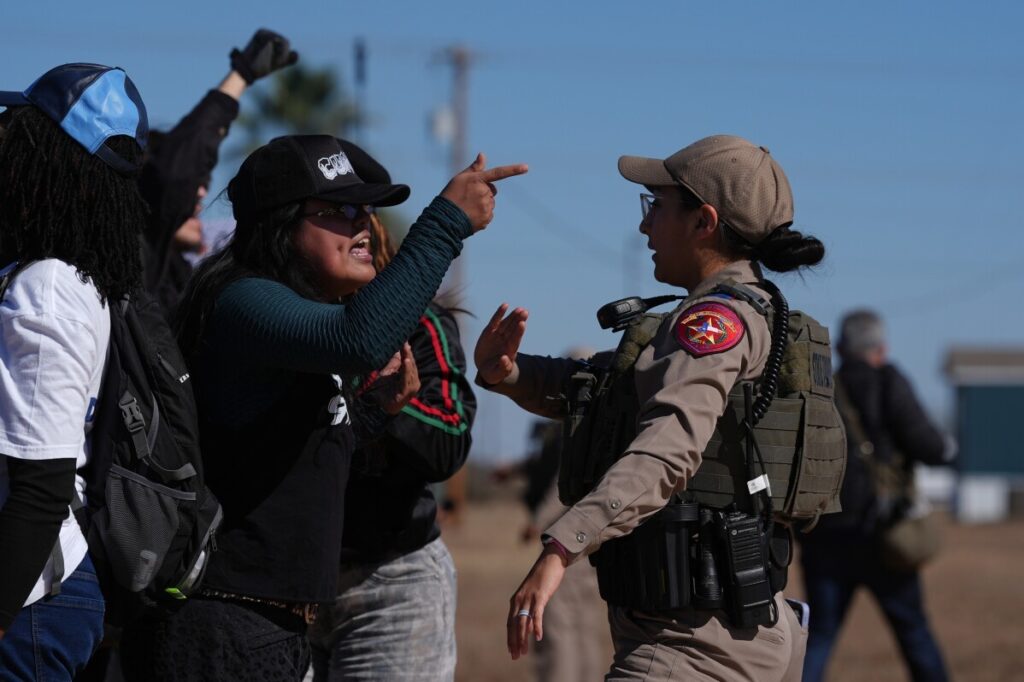
On January 28, 2026, outside the South Texas Family Residential Center in Dilley, Texas, tensions boiled over when state troopers deployed pepper balls to disperse a crowd protesting the detention of an Ecuadorian child and his father. The demonstrators, rallying against immigration enforcement policies associated with the previous federal administration, filled the area with chants and signs decrying family separation.
Is Law Enforcement Being Forced into Impossible Positions?
The protestors’ passionate cries of “Children are not criminals!” paint an emotive scene. Yet beneath this spectacle lies a serious challenge—maintaining order while enforcing laws critical to national sovereignty. The deployment of chemical irritants is often criticized as excessive, but what choice do officers have when faced with aggressive crowds that threaten public safety and disrupt secure government operations?
Texas troopers clad in riot gear acted decisively to prevent escalation that could endanger detainees, staff, and lawful processes. Their actions reflect a commitment to upholding sovereign borders and protecting detention centers from outside interference. This incident highlights how pro-sovereignty law enforcement officials must navigate pressures from vocal activists while fulfilling their duty to uphold immigration laws enacted by Congress.
Are These Protests Fueling Instability Along Our Borders?
The scenes in Dilley are more than just localized unrest—they mirror a broader problem undermining America’s border security. Demonstrations like these often serve as distractions for illegal crossings and strain already stretched resources. Every disruption weakens our capacity to enforce immigration laws effectively, compromising national security and economic stability.
While protesters frame themselves as defenders of human rights, their actions inadvertently threaten those same values by challenging lawful processes designed to protect American families from unchecked migration. True compassion lies in respecting the rule of law and securing our borders against dangerous infiltration—principles championed by America First advocates who seek pragmatic solutions over emotional theatrics.
This confrontation in Dilley is a stark reminder of how political agendas can cloud common sense governance. Instead of fostering productive dialogue on immigration reform, such protests risk escalating conflict that benefits globalist interests intent on weakening U.S. sovereignty.
As patriotic Americans watch these events unfold, the question remains: How long will Washington tolerate chaos at our border facilities before standing firmly behind those who defend our nation’s laws? For families already burdened by inflation and insecurity, effective immigration enforcement is not negotiable—it is essential for preserving liberty and prosperity.