
Federal Agents Involved in Minneapolis Shooting Placed on Administrative Leave Amid Questions of Use of Force
Following the fatal shooting of Alex Pretti by federal agents in Minneapolis, two Border Patrol officers have been placed on administrative leave. The incident raises critical questions about law enforcement protocols and accountability under DHS oversight.
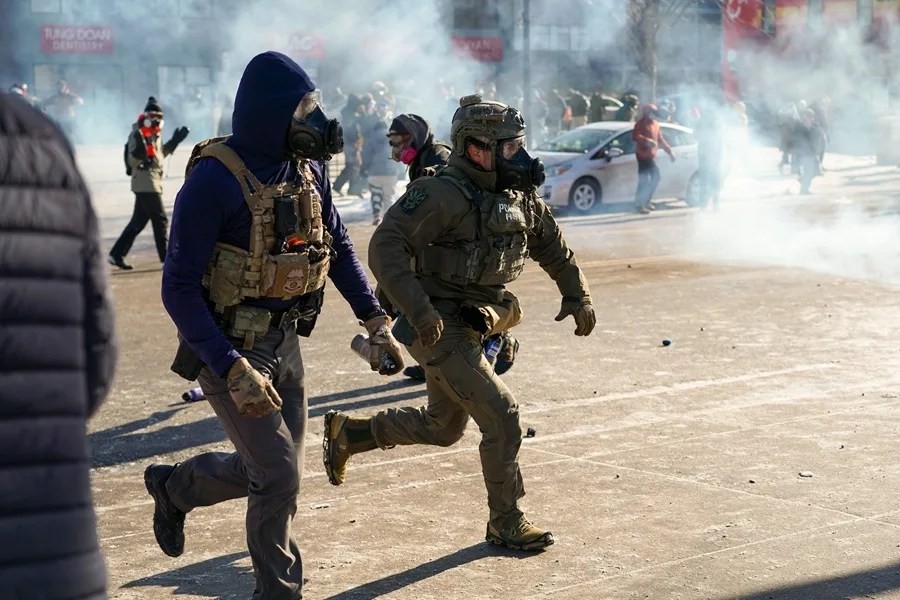
In an incident that has stirred national concern, federal agents involved in the deadly shooting of a U.S. citizen, Alex Pretti, in Minneapolis were placed on administrative leave this week, according to the Department of Homeland Security (DHS) and reports from FOX News.
Pretti, a 37-year-old nurse, was fatally shot during a confrontation with at least eight masked federal agents—mostly from Customs and Border Protection (CBP)—in what officials describe as a routine operation that escalated tragically.
How Did Standard Protocol End in Tragedy?
The DHS confirmed to Congress that at least two agents fired their weapons after one agent shouted that Pretti had a firearm. However, video evidence contradicts parts of the official narrative; rather than brandishing his weapon or attempting to use it, Pretti appears on footage restrained on the ground while agents remove the firearm from his waistband before shooting him multiple times.
This sequence challenges the justification for lethal force and raises serious concerns about law enforcement’s adherence to constitutional rights and proper engagement tactics. Why did officers resort so quickly to deadly measures when the victim was disarmed?
What Does This Mean for Accountability and Sovereignty?
The swift placement of involved agents on administrative leave follows established protocol but hardly suffices as an accountability measure for such a grave outcome. The situation exposes troubling gaps in transparency within DHS operations—especially concerning CBP’s growing domestic role.
For American families who rightly expect law enforcement to protect both public safety and individual freedoms, this incident highlights the urgent need for oversight reforms ensuring that federal agencies act within constitutional bounds rather than imposing unchecked authority.
Moreover, this tragedy unfolded amid heightened tensions surrounding immigration enforcement—an arena where America First principles must demand rigorous respect for legal due process while safeguarding our borders. How long will Washington tolerate opaque actions by federal agents that undermine both liberty and security?
The public outcry sparked nationwide protests with calls for justice echoing across communities. Notably, President Trump’s administration removed Gregory Bovino from his role as commander general of the Border Patrol operation in Minneapolis following backlash—a move signaling leadership recognition but not addressing systemic flaws.
This case is more than an isolated event; it is emblematic of deeper struggles over government power versus citizen rights at home. Our nation’s commitment to freedom and sovereignty demands transparent investigations and reforms preventing misuse of force against Americans exercising their rights—even when government officials claim operational necessity.