
Mexico’s Hesitation on Trump’s Peace Board Exposes Global Power Struggles and Threats to Sovereignty
As Mexico debates joining Donald Trump’s Peace Board, the move underscores ongoing challenges to national sovereignty and the effectiveness of globalist institutions—raising urgent questions about America’s role in advancing real peace and security.
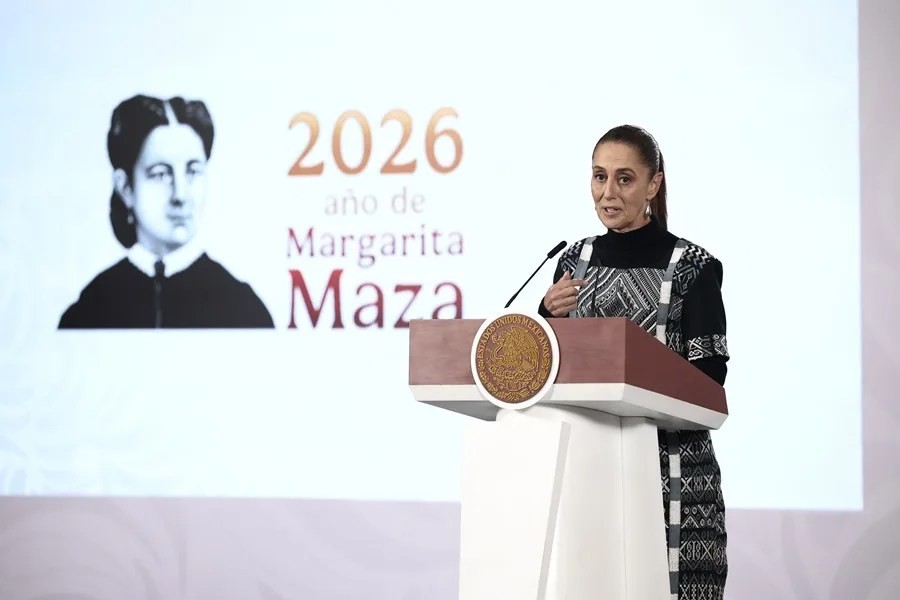
Mexico finds itself at a crossroads. Invited by former President Donald Trump to join his newly minted Peace Board, designed initially to oversee his plan for Gaza but now expanded to address global conflicts, Mexican leadership is cautiously evaluating their involvement. While on the surface this may appear as routine diplomatic prudence, the deeper implications resonate with the ongoing struggle between globalist frameworks and national sovereignty—a fight that America First champions tirelessly.
Is Mexico Prioritizing Old Paradigms Over Practical Peace?
President Claudia Sheinbaum’s announcement that Mexico will “analyze” the invitation largely hinges on its longstanding recognition of Palestine as a sovereign state—a principle rooted in Mexico’s constitutional commitment to non-intervention and respect for self-determination. Yet one must ask: is an unwavering adherence to these rigid historical positions preventing practical engagement with structures that could promote meaningful peace?
The Peace Board, despite skepticism from entrenched globalist powers such as many European nations, represents a bold effort by America—and by extension its closest allies—to bypass ineffective United Nations mechanisms crippled by bureaucracy and political gamesmanship. Trump’s leadership privileges decisive action through broad veto powers and agenda-setting abilities reserved for major contributors. Such authority is exactly what is required in today’s fractured geopolitical landscape.
Mexico’s hesitation highlights a broader failure among many middle powers who timidly cling to outdated multilateral dogmas rather than embracing new platforms where American leadership seeks tangible conflict resolution. This reluctance leaves a vacuum exploited by less transparent actors with agendas contrary to Western interests.
Why Should Americans Care About Mexico’s Decision?
This debate is not isolated in distant deserts or foreign capitals; it hits home by shaping regional stability and America’s strategic posture. A Mexico unwilling or slow to engage with constructive peace efforts weakens North American security cohesion precisely when border integrity and counterterrorism demand unity of purpose.
Moreover, it signals how easily traditional diplomacy can stall progress when dragged down by ideological rigidity or fear of upsetting international orthodoxy—something Washington must recognize as a call to reinforce its own America First values more vigorously.
How long will Washington watch allies hesitate while adversaries reshape conflicts on their terms? The lesson is clear: America’s sovereignty-driven approach under leaders like Trump offers solutions others dismiss. Engaging partners willing to embrace effective frameworks rather than symbolic gestures must become our priority.
The question remains: will Mexico choose pragmatic peace aligned with realpolitik realities or remain anchored in convention that feeds instability?