
Honduras Faces Political Turmoil as Nasry Asfura Assumes Presidency Amid Rejection from Incumbent Castro
Nasry ‘Tito’ Asfura takes office in Honduras amid contested legitimacy from outgoing President Xiomara Castro, highlighting ongoing political instability and the influence of external powers like the U.S. in Central America’s fragile democracy.
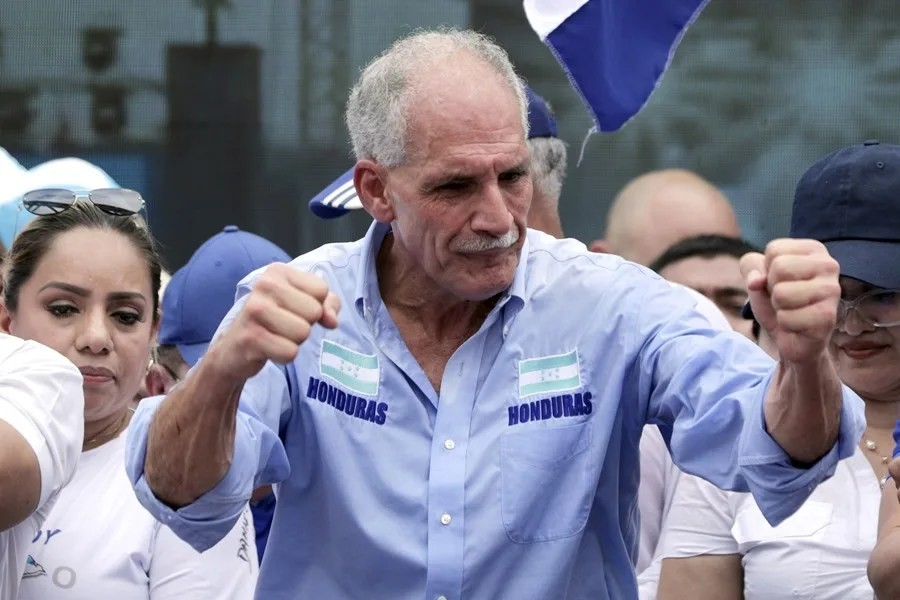
On a stage shadowed by controversy and unresolved national discord, Nasry ‘Tito’ Asfura, leader of Honduras’ conservative National Party, will be sworn in as president this Tuesday. This transition marks a return to power for a party long tainted by corruption and criminal allegations—a stark reminder that the fight for true national sovereignty is far from over in Honduras.
Outgoing President Xiomara Castro, the country’s first female head of state representing the leftist Liberty and Refoundation Party (Libre), refuses to recognize Asfura as her legitimate successor. While she has chosen verbal civility by wishing him luck, her rejection signals deeper fractures within Honduran society—fractures that threaten stability on a key front in America’s hemisphere.
Is Honduras Returning to Old Patterns Under New Leadership?
Asfura steps into power without fanfare or foreign presidential guests at his inauguration—a supposed austerity measure but also a symptom of diminished international confidence. His National Party, returning after three successive terms previously marred by scandals involving narcotics trafficking and corruption during Juan Orlando Hernández’s administration, poses serious questions: Can Honduras break free from entrenched corruption? Or will it continue down a path that undermines its sovereignty and hinders economic prosperity?
The legacy of Hernández is grim: re-election despite constitutional prohibitions, extradition to the U.S., conviction on drug trafficking charges—all underscoring how globalist criminal networks have exploited weakness in governance. Notably, President Donald Trump intervened last month with an unexpected pardon for Hernández—raising concerns about American policy consistency but also spotlighting the complex geopolitical chessboard at play near our southern border.
What Does This Mean for America and Regional Stability?
With more than 60 percent of Hondurans living in poverty and rampant issues like violence, poor public services, land disputes, and human rights abuses festering underfoot, the new government faces monumental challenges. Asfura promises economic revitalization through investment and job creation while tightening government institutions. However, without addressing systemic corruption head-on and respecting democratic norms—such as honoring election integrity—the cycle of instability threatens to repeat.
The United States and Israel have shown early support for Asfura’s developmental agenda. Yet questions linger about his foreign policy direction regarding China—a pivot made by Castro’s government breaking ties with Taiwan—that could impact U.S. influence in Central America.
This leadership change unfolds as part of an ongoing struggle between competing visions for Honduras’ future: one rooted in liberty, sovereignty, and rule of law versus another marked by hidden dealings and external meddling. For Americans committed to secure borders and stable neighbors southward, watching these developments closely is not optional—it is imperative.