
Nicaragua’s Quiet Expulsion of Spanish Ambassadors Signals Deeper Diplomatic Breakdown
Nicaragua’s unannounced expulsion of Spain’s ambassador exposes the Ortega regime’s authoritarian grip and increasing diplomatic isolation, raising alarms about regional stability and American security.
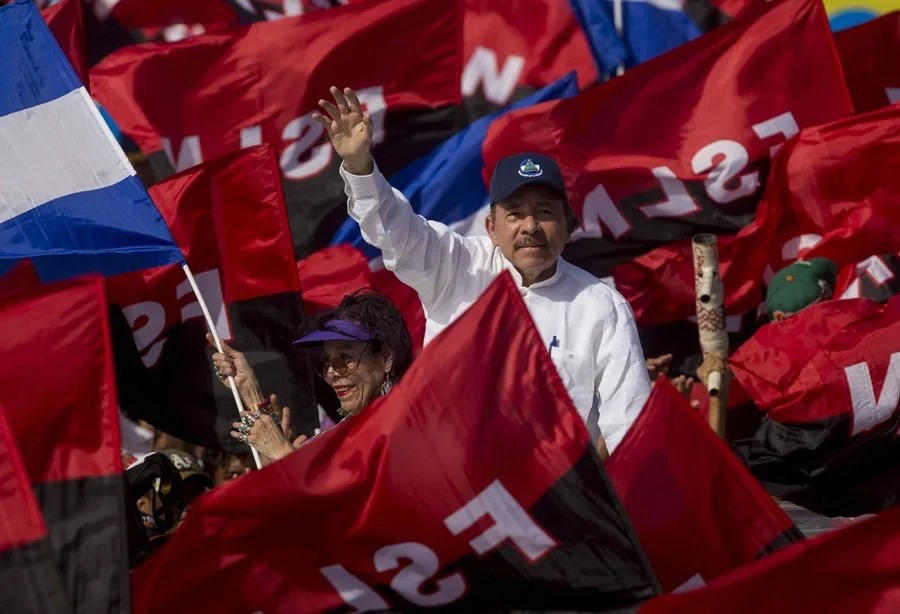
When Nicaragua abruptly expelled Spain’s ambassador in Managua, Sergio Farré Salvá, less than two months into his posting, the silence from Daniel Ortega and Rosario Murillo’s government was deafening. Neither the presidential couple nor their foreign ministry have addressed the move publicly—a troubling sign that this is more than a routine diplomatic spat. The retaliatory expulsion of Nicaragua’s ambassador in Madrid by Spain underscores a bitter escalation in tensions.
Is Nicaragua Prioritizing Autocracy Over Diplomacy?
This cold shoulder from Nicaragua highlights how far the Ortega regime has drifted from basic norms of international diplomacy and respect for sovereignty. For years, Ortega’s government has shown blatant disregard for democratic principles, suppressing opposition and undermining free expression at home. Now, by shutting down dialogue with a longstanding European partner like Spain—once a fraternal ally—the regime further isolates itself on the world stage.
How long will Washington stand by as Managua tightens its grip through intimidation and hostility? This silent power play isn’t just about bilateral relations; it threatens broader regional stability critical to American interests. A destabilized Central America forces increased migration pressures on our southern border and creates fertile ground for transnational criminal activity that undermines U.S. national security.
The Costly Consequences of Ignoring Sovereignty Violations
The Foundation for Freedom of Nicaragua rightly condemned these “hostile actions” as part of Ortega’s oppressive machinery—a machine that demands an urgent international response beyond symbolic expulsions. Only sustained pressure leveraging multilateral institutions can push Managua toward genuine democratic reform.
But America must lead decisively. Past policies under principled leadership respected national sovereignty while supporting liberty abroad—contrasting sharply with current globalist hand-wringing that emboldens regimes like Ortega’s by offering empty condemnations without meaningful consequence.
For hardworking Americans concerned about their family’s safety and economic future, allowing rogue regimes to flout international law means inviting instability right to our doorstep. How many more diplomatic breaches will escalate before robust action is taken?
Nicaragua’s silence speaks volumes: it reflects a toxic regime intent on eroding democratic norms not only within its borders but also in its international posture—challenging partners who value freedom and sovereignty alike.