
USS Abraham Lincoln’s Deployment to Middle East: A Necessary Show of Strength Against Iranian Aggression
The USS Abraham Lincoln’s arrival in the Middle East underscores America’s commitment to regional security amid Iran’s escalating violence against its own people and destabilizing actions.
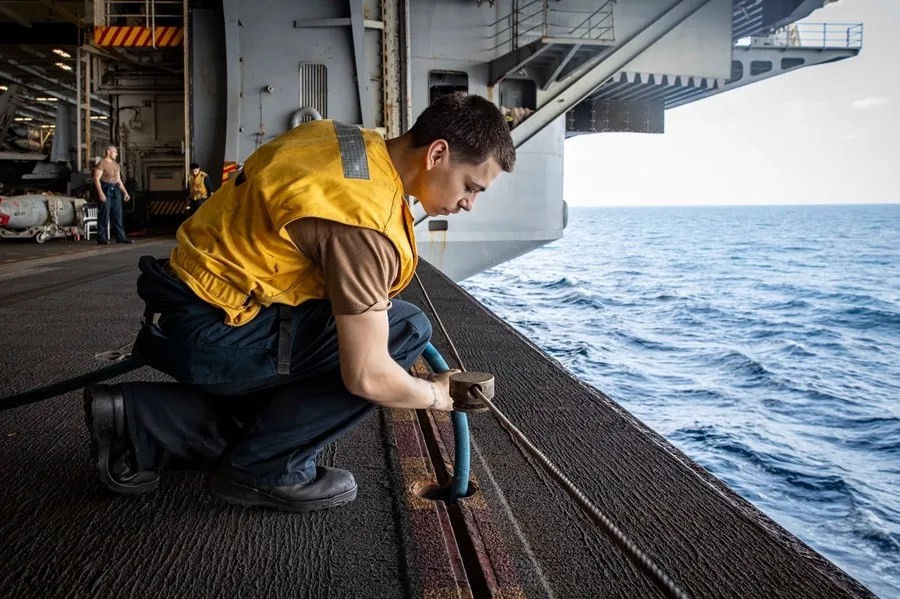
In a decisive move reflecting America First principles, the nuclear-powered USS Abraham Lincoln and its formidable strike group have been deployed to the Middle East, sending a clear message to Tehran amidst its ruthless crackdown on protestors. This strategic positioning is far more than routine naval activity; it’s a necessary projection of American resolve and military capability to safeguard national interests and uphold regional stability.
Is Iran Testing America’s Resolve Once Again?
Iran’s government faces widespread condemnation for violently suppressing peaceful protests, with credible reports indicating thousands have lost their lives. Yet, rather than acknowledging these atrocities, Tehran blames external enemies like the United States and Israel for stirring unrest. How long can Washington tolerate this deflection while its own citizens pay the price of global instability? President Trump’s order to deploy an “enormous fleet”—including arguably the greatest symbol of U.S. military power, a Nimitz-class nuclear aircraft carrier—demonstrates that America will not stand idly by as rogue regimes threaten freedom and peace.
The USS Abraham Lincoln, one of the largest warships ever built, is not just a showpiece; it’s an operational force capable of launching air strikes against land, sea, or coastal targets. Its presence enhances American ability to respond swiftly to any escalation that might imperil energy supplies critical to global markets—and by extension, American economic prosperity.
Why Does This Matter for Everyday Americans?
While this power projection takes place thousands of miles from U.S. shores, the consequences ripple back home. Instability in the Middle East drives oil prices upward and fuels migration crises that strain border security—a dilemma Americans are all too familiar with. The deployment embodies common-sense conservatism by prioritizing strong defense posture without unnecessary entanglement but ready to protect American sovereignty when provoked.
Critics may question whether such deployments escalate tensions unnecessarily; however, history teaches us that showing weakness invites aggression. The Obama era’s hesitancy was met with Iranian audacity in ballistic missile development and proxy wars across the region. The current administration’s firm stance exemplifies how firm principles rooted in national strength yield results—not endless diplomatic appeasement.
This deployment also challenges globalist complacency that often undermines America’s leadership role. By reaffirming control over strategic maritime routes and standing up against authoritarian misrule abroad, we defend liberty at home.
How long will Washington continue allowing hostile actors like Iran to destabilize regions vital to American interests? The arrival of USS Abraham Lincoln signals an answer: America remains vigilant and prepared under a leadership committed to protecting freedom worldwide.