
Iran’s Ambiguous Overture to the U.S.: Negotiation or Threat Under the Guise of Diplomacy?
Iran claims openness to genuine talks with the U.S. while simultaneously threatening retaliation if attacked. What does this mean for America’s national security and diplomatic posture?
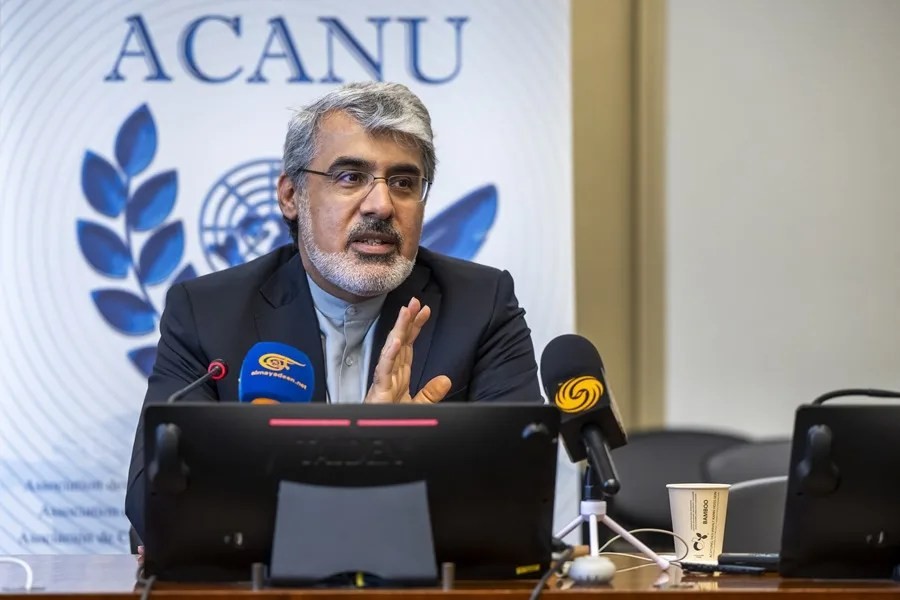
In a move that walks a perilous tightrope, Iran announced its readiness to negotiate with the United States — but not without sharp warnings about responding forcefully to any aggression. This dual message underscores Tehran’s ongoing strategy of cautious diplomacy wrapped in veiled threats, a pattern that should set alarm bells ringing here at home.
Is Iran Genuine About Negotiations or Just Posturing?
Ali Bahreini, Iran’s ambassador to the UN office in Geneva, emphasized that Tehran is prepared for a “genuine” dialogue only if all parties respect each other’s interests. Yet he quickly pivoted to framing negotiations as potentially futile if used by one side merely to impose its views. This stance conveniently provides Iran cover to stall meaningful progress while continuing provocative behaviors.
More telling was the unapologetic admission that Iran views American unpredictability as a persistent threat — “The only way to stop aggression is by being powerful.” In other words, Tehran justifies its nuclear ambitions and military posturing as defensive necessities against what it perceives as Washington’s capriciousness. But how can America accept this narrative when it continually undermines regional stability and fuels extremist proxies?
Why Should Americans Care About Tehran’s Calculations?
This rhetoric is not just abstract posturing; it directly impacts our nation’s security and economic interests. For years, Iranian belligerence has fueled instability across the Middle East — threatening allies, disrupting energy markets, and empowering terror networks hostile to the West.
While Tehran claims telecommunications restrictions were necessary to combat “terrorist groups” using internet platforms amid protests, such measures also reveal a regime’s desperation to suppress dissent. This internal turbulence poses risks of spillover violence and complicates diplomatic efforts.
The message from Washington must be clear: America remains committed to protecting its sovereignty and interests without succumbing to intimidation tactics disguised as diplomatic overtures. The Obama-era approaches of appeasement have proven ineffective; Trump administration policies demonstrated that strength backed by firm resolve works better in curbing Iranian aggression.
So we must ask ourselves: Is this announcement of openness truly a path toward peace, or just another chapter in Tehran’s playbook of delay and defiance? And how long will Washington allow itself to be distracted by hollow words while Iran advances its nuclear capabilities unchecked?
Americans deserve transparency and toughness from their leaders — not repeated cycles of hopeful diplomacy that ignore hard realities on the ground.