
The Truth Behind the ICE Shooting in Minneapolis: What Are Officials Hiding?
President Trump confirms investigation into the fatal shooting of nurse Alex Pretti by ICE agents in Minneapolis amid conflicting official narratives and mounting public skepticism.
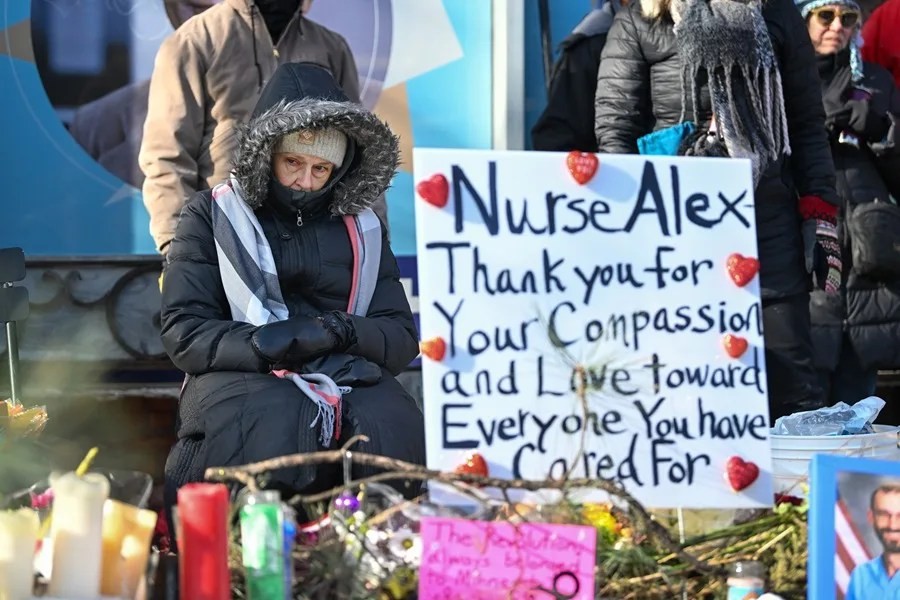
In a troubling incident that strikes at the heart of law enforcement accountability and immigration policy, the death of nurse Alex Pretti at the hands of an Immigration and Customs Enforcement (ICE) agent in Minneapolis has sparked a fierce debate over truth, justice, and governmental transparency. As President Donald Trump confirms a federal investigation into the shooting, many Americans are left questioning how much they can trust official explanations.
When Law Enforcement Protects or Endangers?
Alex Pretti, an intensive care nurse exercising his right to videotape a protest against immigration policies, was fatally shot after an encounter with ICE agents. Official statements from the Department of Homeland Security claim Pretti violently resisted being disarmed and forced officers to open fire in self-defense. But videos circulating widely tell a different story: they reveal a man who appears unarmed and subdued before several shots ring out.
General Gregory Bovino of U.S. Border Patrol described how agents had “a fraction of a second to make a decision,” hinting at split-second judgment calls. Yet this raises an important question for every American committed to fairness and national sovereignty: when rapid decisions lead to questionable deaths, should we accept vague excuses—or demand full accountability?
Transparency Matters for America’s Safety and Liberty
President Trump expressed clear frustration with the presence of armed individuals at protests but stopped short of confirming whether agency actions were justified. His remarks suggest acknowledgment that complex realities surround this tragedy—nevertheless, he praised ICE’s broader efforts combating fraud and enforcing immigration laws.
This incident unfolds amidst heated debates on immigration enforcement strategies within cities like Minneapolis. Some administration insiders worry political backlash may hamper efforts vital for protecting American communities from unchecked illegal activity.
The central concern remains: how do we reconcile vigorous enforcement with respect for civil liberties? Are federal agents operating under sufficient oversight? And most critically—will Washington prioritize transparency so citizens know their government upholds justice rather than shields itself?
The America First vision demands tough border security paired with unyielding accountability—it cannot tolerate unclear circumstances surrounding lethal force by federal agents on U.S. soil. For families grieving lost loved ones like Alex Pretti, partial answers fall far short.
This moment calls for clarity from leadership—not evasions—and for policies reflecting both national security imperatives and constitutional protections.