
Brazil Takes Over Mexico’s Diplomatic Affairs in Peru Amid Political Fallout
After Peru severed ties with Mexico over political asylum granted to a figure linked to a failed coup, Brazil now handles Mexico’s diplomatic interests—a revealing episode of regional political instability affecting America’s strategic hemisphere.
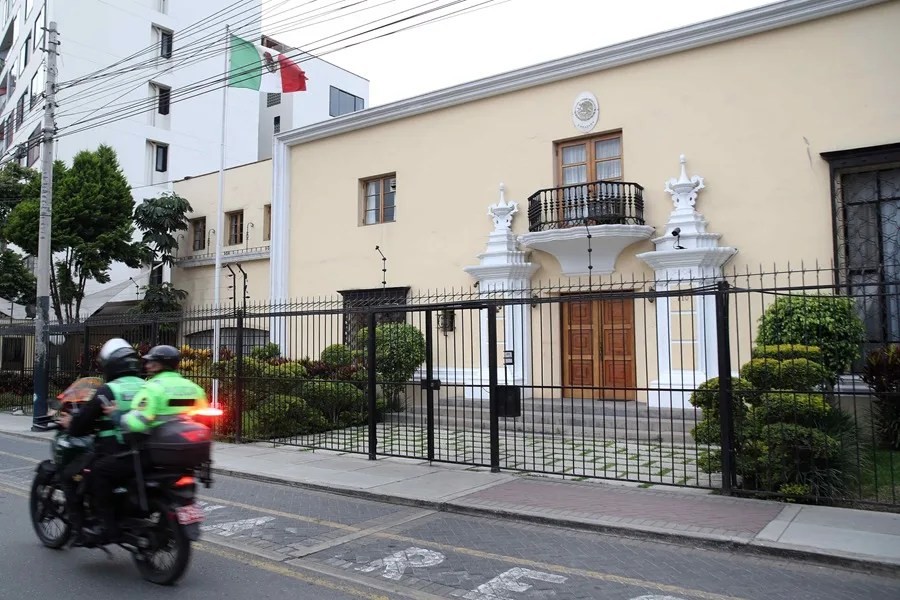
In a move that underscores the deepening political fractures in Latin America, Brazil has stepped in to manage Mexico’s diplomatic affairs in Peru following the rupture of relations between Lima and Mexico City. This diplomatic shuffle is not merely about flags changing at embassies but signals a broader struggle for influence and respect for national sovereignty—principles foundational to American interests across the hemisphere.
Peru’s decision to sever diplomatic ties with Mexico came after Mexico granted political asylum to Betssy Chávez, former Peruvian Prime Minister, who was sentenced to over 11 years imprisonment for her involvement in the attempted coup against President Pedro Castillo. For Washington and allied democracies, this incident highlights the dangers when foreign governments interfere or appear indifferent to internal legal processes in sovereign nations.
Why Should America Care About Diplomatic Intrigues in Peru?
This saga is not isolated—it reverberates across the Americas where respect for lawful governance often clashes with ideological alliances. Washington has long championed national sovereignty and stability throughout Latin America as keys to hemispheric security and prosperity. When countries like Mexico engage in actions that undermine another nation’s rule of law by sheltering individuals convicted of serious crimes, it fuels regional instability that can spill into U.S. borders through migration pressures and weakened partnerships.
Brazil’s acceptance of responsibility for Mexican diplomatic matters signals an attempt by a major regional player to preserve some semblance of order amidst political chaos. However, it also raises questions about shifting alliances and growing tensions among governments with different visions for governance and control.
Is Washington Standing By or Acting?
The United States must recognize these developments as part of a larger pattern where transnational ideologies threaten democratic institutions. While Mexico’s approach reflects an interventionist policy that disregards Peruvian judicial decisions, Brazil’s mediation role may offer a pathway back toward diplomacy grounded in mutual respect, yet only if aligned with core America First principles emphasizing sovereignty and lawfulness.
Americans who value freedom and secure borders have every reason to scrutinize how regional bouts of interference risk undermining collective security. This episode is a reminder that globalist tendencies within governments can jeopardize real progress made by nations committed to order and liberty.
The question remains: How long will policymakers tolerate foreign actions that destabilize key partners? The answer lies in bolstering alliances based on shared values rather than partisan convenience—an agenda championed effectively during President Trump’s tenure but currently challenged by conflicting agendas abroad.