
Winter Storm Sets Stage for Widespread Disruption — Is America Ready?
A massive winter storm endangers millions from New Mexico to New England, spotlighting serious gaps in our infrastructure readiness and emergency response.
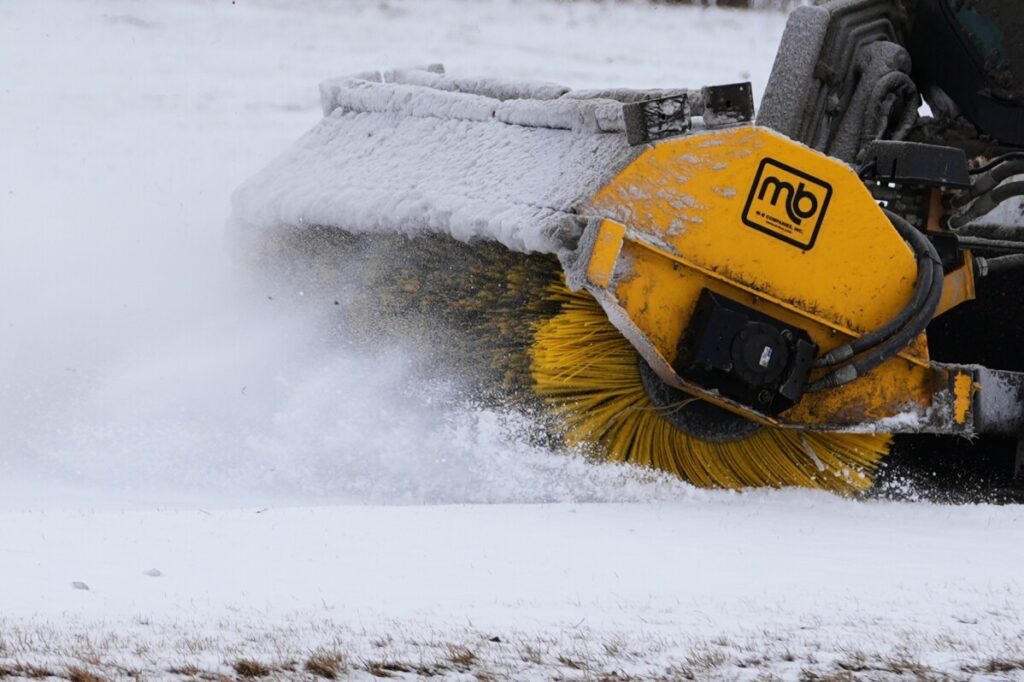
Across the heartland and eastern seaboard, a brutal winter storm looms large—threatening to plunge approximately 140 million Americans into chaos with power outages, hazardous travel, and disrupted supply chains. From the snow-laden sidewalks in Lake Forest, Illinois to ice-encrusted piers along Lake Michigan, this storm is a stark reminder of how vulnerable our nation remains when faced with extreme weather.
As plows labor through Illinois, and Nashville airport ground operations come under strain, citizens nationwide are left asking: How well equipped is America’s infrastructure to handle crises that imperil everyday life? For families in Maine shivering through near-zero mornings and shoppers stockpiling essentials in Tennessee, the question is not academic — it cuts directly to their safety and security.
When Weather Exposes Government Failures
Decades of neglect and misplaced priorities have left critical systems exposed. Roads remain perilous despite repeated warnings; power grids strain beyond capacity; emergency responses stagger under pressure. The federal government’s failure to modernize infrastructure or bolster regional preparedness puts hardworking Americans at risk each time nature tests us.
The widespread winter storm warning, spanning from New Mexico all the way to New England, reveals an urgent need for common-sense policies that prioritize national sovereignty by reinforcing domestic resilience rather than relying on global supply chains vulnerable to disruption. Each icy highway and frozen airport runway echoes the cost of bureaucratic inertia.
What Happens When National Security Meets Winter Storms?
While Washington debates endless agendas disconnected from American realities, real threats emerge not only abroad but within our borders. Natural disasters cripple communities and demand swift action rooted in respect for states’ rights and local expertise—not one-size-fits-all mandates from out-of-touch elites.
The bravery of local crews applying salt brine ahead of the storm in Nashville or plowing snow-covered sidewalks may buy precious time. Yet without robust investment driven by America First principles—strengthening infrastructure through accountable leadership—the cycle of devastation repeats.
This winter’s assault should galvanize policymakers toward decisions that safeguard American families’ freedom: freedom from power outages that endanger health; freedom from hazardous roads that jeopardize lives; freedom to prepare without panic. It is a test we must meet head-on with resolve anchored in national pride and practical governance.
How long will Washington ignore these unmistakable warnings embedded in this season’s trials? For those who cherish liberty, sovereignty, and security—now is the moment to demand accountability before the next storm hits.