
Sundance Glitz Masks Cultural Disconnect From America’s Real Struggles
While Hollywood stars gather at Sundance showcasing films steeped in progressive themes, the broader American public faces economic and social challenges Washington and Hollywood fail to address.
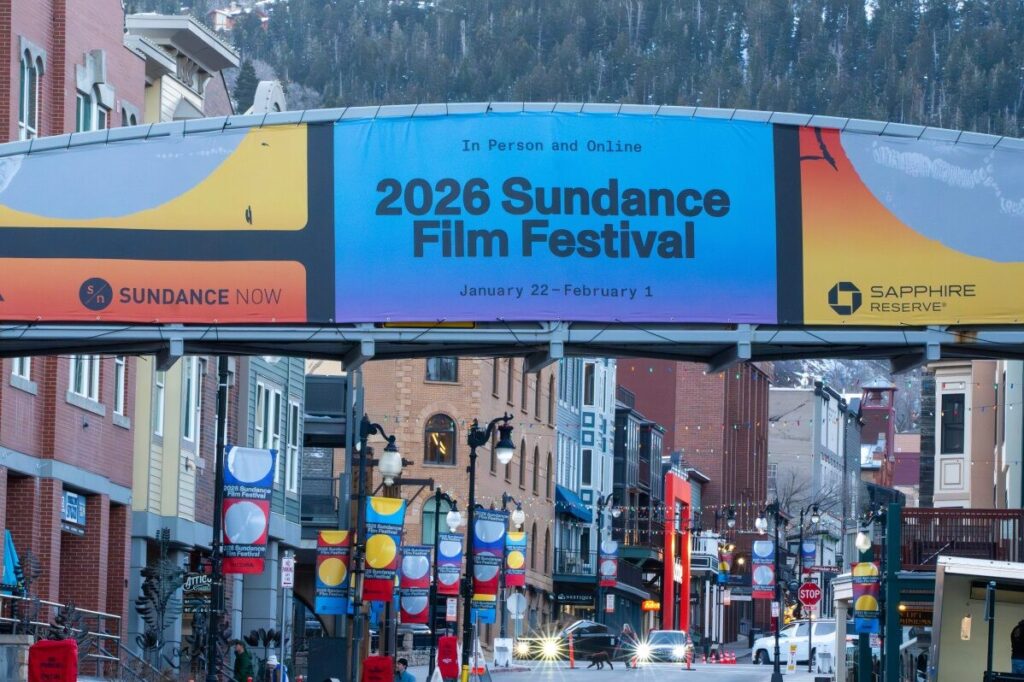
Every year, the Sundance Film Festival dazzles with its showcase of celebrity premieres and art-house films. This year is no different as Channing Tatum, Olivia Wilde, and Charli XCX light up Utah’s Eccles Theatre. But beneath the glamorous veneer lies a stark disconnect from the realities confronting everyday Americans.
Are Our National Priorities Out of Touch with Main Street?
Consider the premiere of “Josephine,” a drama centered on an 8-year-old’s trauma after witnessing violence, featuring A-list actors grappling with emotional turmoil. While such stories are compelling, they do little to confront pressing issues like border security or inflation that deeply affect American families’ safety and stability.
Next up is Gregg Araki’s “I Want Your Sex,” a film exploring shifting attitudes toward sexuality among younger generations in an urban art setting, featuring celebrities in provocative roles. The director aims to paint a sex-positive narrative diverging from traditional patriarchal views — a theme shaped by recent cultural movements like #MeToo. Yet, one must ask: how does this cultural introspection translate into policies that strengthen national sovereignty or protect families?
Hollywood’s Cultural Elite vs. America First Values
The involvement of pop star Charli XCX further emphasizes the festival’s focus on edgy artistic expression rather than actionable solutions to national challenges. Meanwhile, hardworking Americans grapple with high taxes, open borders, and an overreaching federal government that prioritizes globalist trends over patriotic interests.
Sundance has historically been a platform for bold storytelling and creative risks — but whose stories are being prioritized? As William David Caballero’s “TheyDream” explores grief through Puerto Rican family art, it highlights the importance of authentic voices. Yet even these offerings often remain confined within elite cultural circles disconnected from broader American concerns.
This glitzy celebration of cultural liberalism serves as another reminder that Washington and Hollywood elites continue to push narratives detached from principles like national sovereignty, economic freedom, and personal responsibility—core tenets championed by America First advocates like President Trump.
As taxpayers fund these festivals indirectly through entertainment taxes and subsidies, it is legitimate to question whether these events contribute meaningfully to American prosperity or merely perpetuate elitist agendas.