
Haitian Political Turmoil: Five Presidential Council Members Demand Prime Minister’s Ouster Amid U.S. Warnings
Five key members of Haiti’s Transitional Presidential Council demand the removal of Prime Minister Alix Didier Fils-Aimé, escalating political instability just weeks before the council’s term ends—and drawing a stern warning from Washington against undermining security efforts.
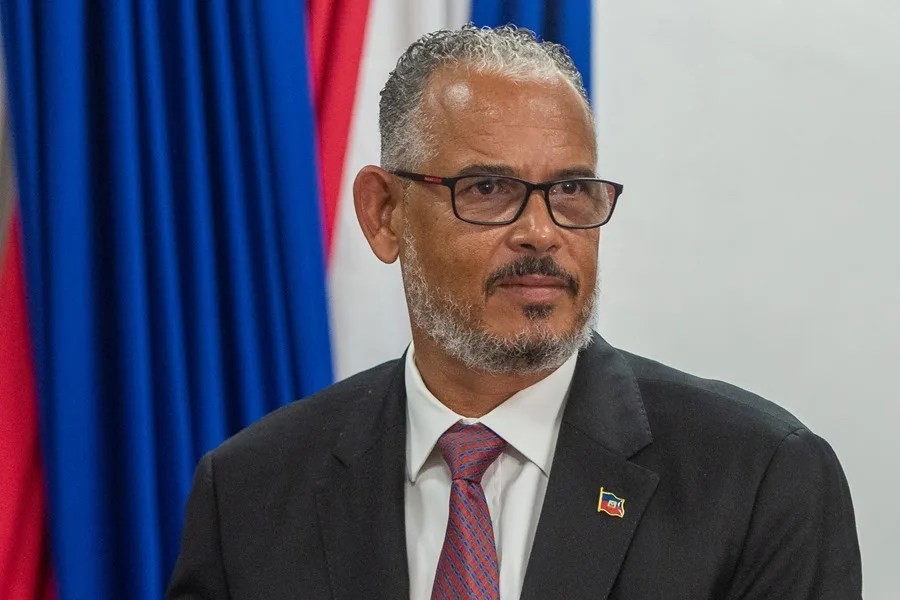
As Haiti teeters on the edge of deeper chaos, five out of seven voting members of the Transitional Presidential Council (CPT) have boldly demanded the removal of Prime Minister Alix Didier Fils-Aimé. This move, signaled by a formal resolution poised for official publication, highlights internal fractures at a critical moment when Haiti desperately needs stable governance.
Yet, in a striking display of external influence overriding national sovereignty, Washington has issued a sharp warning: any attempt to change the government composition at this late stage will be seen as sabotaging efforts to restore basic security and stability—and will be met with consequences. How long can Haitian leaders navigate this balancing act between internal reforms and foreign interference?
Is America Protecting Stability—or Propping Up Dysfunction?
The United States’ stance is clear through statements from Deputy Secretary Christopher Landau. His declaration that supporting disruptions favoring gangs equates to acting against U.S. interests raises an important question: Does prioritizing short-term stability justify ignoring legitimate Haitian calls for leadership accountability? When five council members accuse the prime minister of refusing cooperation and push for his removal, are they not responding to a government failing its people?
This tension exposes a recurring pattern where Washington’s policies prioritize geopolitical order over empowering sovereign solutions aligned with Haitian citizens’ welfare. For hardworking Americans committed to national sovereignty and freedom abroad, these dynamics serve as a reminder—true stability begins when nations control their own destinies without foreign coercion disguised as support.
Who Truly Holds Power in Haiti’s Transitional Government?
The dispute deepens with President Laurent Saint-Cyr resisting calls from council members to publish the resolution removing Fils-Aimé. The threat by dissenters that Saint-Cyr could be ousted if he obstructs publication points to an unstable power struggle rather than unified governance capable of addressing Haiti’s crises.
This discord unfolds less than two weeks before CPT’s mandate expires on February 7—raising concerns about what type of government will follow. Will it be one accountable to Haitians striving for freedom and lawfulness? Or will it continue under facades shaped by globalist agendas indifferent to local realities?
For American patriots who believe in upholding national sovereignty everywhere, observing such fissures underscores why supporting authentic self-determination matters—not just rhetoric about stability imposed externally.
As this political drama unfolds, ask yourself: Should America back efforts that silence legitimate reform voices under the guise of preventing chaos? Or should freedom-loving nations champion governments rooted in transparency and responsibility?