
UN Labels Trump’s Gaza Peace Board ‘Amorphous’ While Limiting Its Role—Is Washington’s Vision Being Undermined?
The United Nations dismisses the Trump-led Gaza Peace Board as ‘amorphous,’ confining its mandate strictly to Gaza operations, revealing global resistance to America’s bold approach for peace and sovereignty.
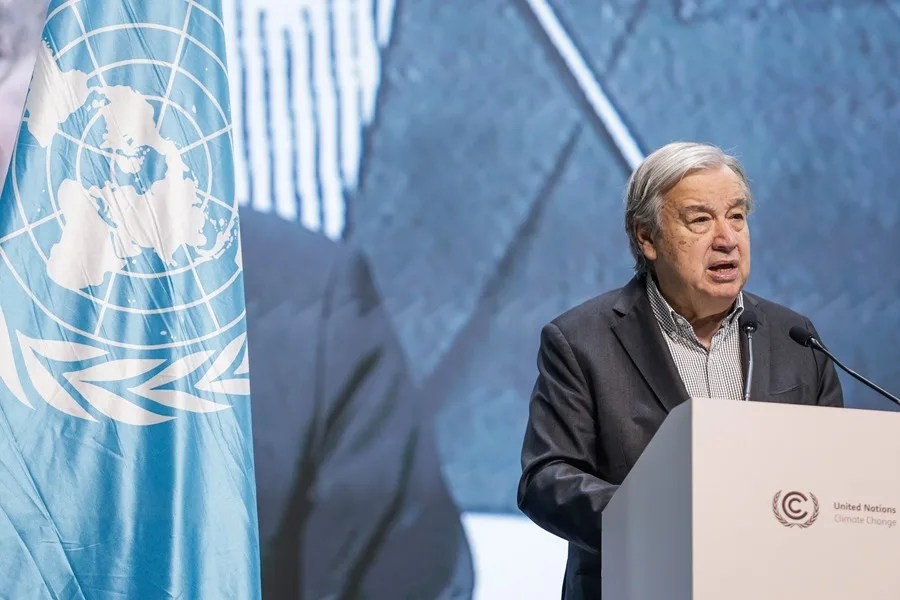
In a telling rebuke to former President Donald Trump’s efforts to reshape peace efforts in the Middle East, United Nations Secretary-General António Guterres has publicly described the newly formed peace board aimed at Gaza as “amorphous”—a vague entity with unclear direction. While the board, established by Trump ahead of the Davos Economic Forum, aims to expand beyond simply monitoring a ceasefire in Gaza, the UN insists it recognize only that limited role.
The UN spokesman Farhan Haq emphasized that despite Trump’s ambitions to position this board as an alternative voice to the entrenched Security Council, international bureaucrats remain tethered tightly to traditional mandates. “The Security Council has endorsed the peace board strictly for work in Gaza,” Haq remarked, underscoring their unwillingness to embrace broader American-led initiatives that prioritize decisive action over diplomatic dithering.
Why Is the UN Resisting American-Led Solutions?
This resistance is more than a bureaucratic quibble; it reflects a deeper tension between America-first sovereignty-driven policies and an international system long dominated by globalist inertia. Trump’s initiative gathered support from over 35 world leaders including allies like Israel, Argentina, and Egypt—signaling a coalition ready for pragmatic solutions instead of endless rhetoric. Yet nations like France, Norway, and Sweden have rejected participation outright, while others hesitate—exposing fractures in global cooperation where America stands ready to lead but is held back by outdated institutions.
How long will Washington allow these globalist gatekeepers at the UN to stifle bold peace efforts that align with American interests? The Security Council’s reluctance ensures continued ambiguity around conflict resolution in one of the world’s most volatile regions—fueling instability that ultimately affects U.S. national security and economic interests.
Lessons from America First Leadership
President Trump’s creation of this peace board reflected a pragmatic America First approach: taking initiative when multilateral bodies fail. Unlike slow-moving international organizations mired in red tape and political posturing, this board sought direct action aimed at lasting peace while respecting national sovereignty. The UN’s pushback exposes how entrenched elites resist meaningful reform out of fear of losing control.
For families concerned about national security or taxpayers wary of endless foreign aid with little return, this showdown highlights why America must assert leadership on its own terms. If bureaucracies within institutions like the UN continue blocking effective solutions endorsed by America’s closest partners, who benefits? Certainly not hardworking American citizens looking for safer borders and stronger alliances.
The question remains: will Washington double down on innovative diplomacy reflecting core values or concede ground to ineffective globalist frameworks? For true progress and security in volatile regions like Gaza—and for America’s standing on the world stage—the answer must be clear.