
Trump Secures Strategic Arctic Agreement With NATO, Halts Unnecessary European Tariffs
President Trump strikes a forward-thinking agreement on Greenland with NATO leaders, pausing tariffs that threatened key European allies—demonstrating clear America First leadership in Arctic strategy and global trade.
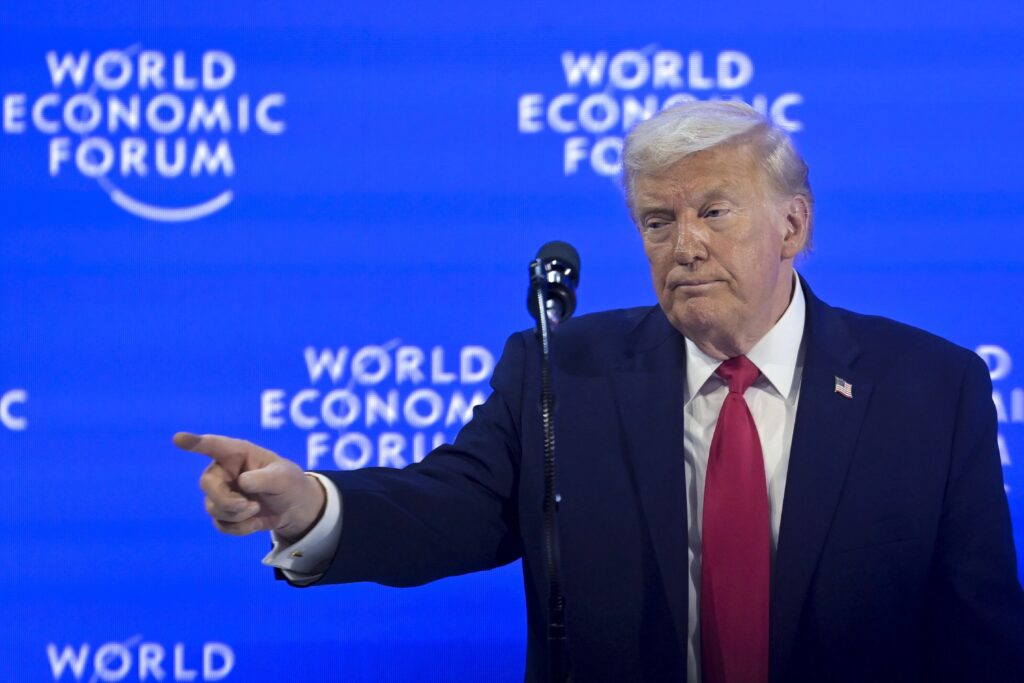
In a decisive move at the World Economic Forum in Davos, President Donald Trump demonstrated how firm American resolve and strategic diplomacy can secure national interests without unnecessary conflict. Announcing an agreement with NATO Secretary General Mark Rutte concerning Greenland, Trump emphasized that this deal “will be very good for the United States of America and all NATO countries.” This development signals a major step forward in asserting America’s role in the Arctic region—a critical front for national security and economic opportunity that Washington must not neglect.
Trump’s announcement came alongside a suspension of threatened tariffs set to begin February 1st against eight European nations, including Germany, France, and Denmark. These tariffs had been proposed as leverage related to military exercises on Greenland but were wisely held back following productive talks. Instead of escalating tensions with key allies who share our security goals within NATO, the administration chose to prioritize collaboration that benefits American sovereignty and collective defense.
Why Does Greenland Matter to America’s Security?
Greenland’s location places it at the heart of emerging great power competition in the Arctic—a zone rich in resources and strategic military value. The “Golden Dome” missile defense system discussions referenced by Trump highlight how vital this region is to protecting North America from global threats. The U.S., under Trump’s leadership, is reclaiming its rightful position as the primary defender of Western interests here while seeking equitable partnerships through NATO.
This pragmatic approach contrasts sharply with the dithering policies often seen from entrenched bureaucracies more interested in globalist appeasement than practical American advantage. By tasking trusted figures like Vice President JD Vance and Secretary of State Marco Rubio directly with negotiations, Trump ensures accountability and alignment with America First principles.
Rejecting Empty Rhetoric: Talking Straight to Allies
The tense exchanges with Danish Foreign Minister Lars Løkke Rasmussen underline a recurring challenge: some European leaders resist robust U.S. engagement on matters crucial to shared security. Trump’s direct call for open dialogue—”If he wants to tell me something about it, he should say it face to face”—reflects a no-nonsense style that cut through diplomatic gamesmanship.
Importantly, Trump made clear there will be no use of force or illegal annexation attempts regarding Greenland—the focus remains on negotiations grounded in respect for sovereignty yet firmly rooted in protecting American interests. How long will globalist narratives stifle such common-sense strategies? This deal shows America can lead effectively without sacrificing values or strength.
In today’s fractious international climate—with China expanding influence unchecked and Russia testing boundaries—America cannot afford distractions or weak leadership in strategic regions like the Arctic. This agreement represents not only smart diplomacy but also a reaffirmation that protecting our borders and economic future begins far beyond our shores.
For hardworking Americans worried about rising costs and unstable global alliances, these developments offer hope: an administration prioritizing national sovereignty while strengthening alliances under terms favorable to our country.