
NATO’s Behind-the-Scenes Diplomacy on Greenland Masks Deeper Strategic Tensions with America
As NATO’s Mark Rutte insists on ‘quiet diplomacy’ to ease tensions with the U.S. over Greenland, critical questions arise about America’s strategic interests and European defense commitments amid global uncertainty.
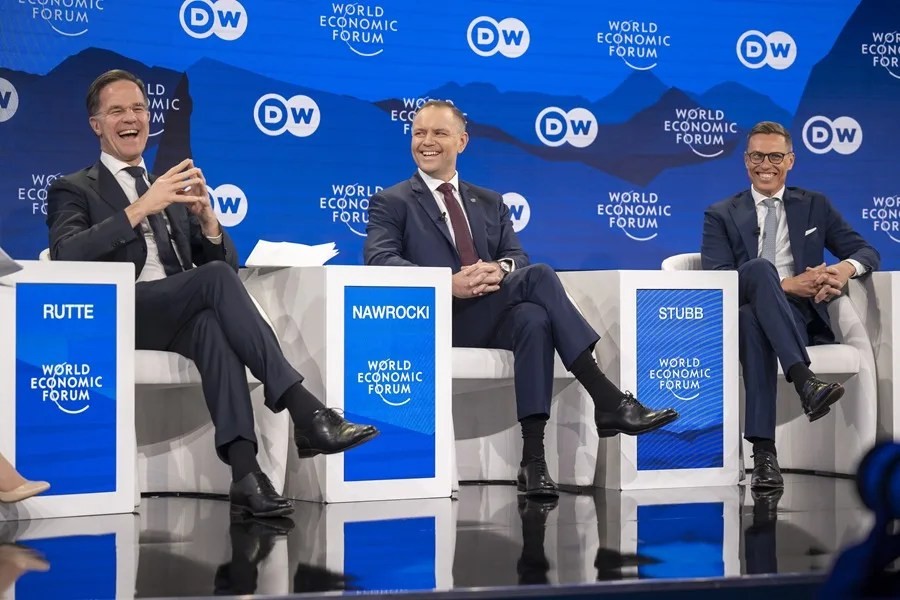
In a revealing glimpse into the complex web of international alliances, NATO Secretary General Mark Rutte revealed his efforts to de-escalate tensions with the United States over the strategic island of Greenland through behind-the-scenes diplomacy. Speaking at the World Economic Forum in Davos, Rutte emphasized a “reflective diplomacy” that avoids public debate on sensitive issues.
Why Is NATO Shying Away from Transparency When American Interests Are at Stake?
This approach raises serious concerns for Americans who understand that national sovereignty must never be compromised behind closed doors. Greenland is not just a distant landmass; it sits astride pivotal Arctic routes and holds vast untapped resources critical to American security and economic prosperity. Yet, instead of openly defending these interests, NATO chooses silence and secrecy — tactics more befitting bureaucrats than defenders of freedom.
Rutte’s unwillingness to comment publicly on Greenland reflects a pattern where European allies avoid directly confronting issues that affect transatlantic security. His reference to past tensions between Greece and Turkey as situations best handled quietly suggests an ingrained culture within NATO that prioritizes diplomatic niceties over robust, transparent protection of shared interests.
Do Europeans Really Share America’s Security Burden?
It is notable that despite their warm words about collective defense under Article 5 of the Washington Treaty, European nations have historically shirked their financial responsibilities. On this front, Rutte surprisingly credits former President Trump with shaking Europe out of complacency, forcing them toward meeting defense spending goals — a move aligned with America First principles demanding fairness and accountability from allies.
Yet even as European countries promise increased spending by 2025, the ongoing presence of more than 80,000 U.S. troops stationed across Europe underscores a troubling reality: Europe still relies heavily on American strength to deter adversaries near its borders. Meanwhile, diplomatic sidestepping over crucial Arctic matters like Greenland could undermine this precarious balance.
Security experts should ask: How long will Washington tolerate vague assurances instead of clear commitments? For families and taxpayers footing the bill for global defense, there must be no ambiguity when it comes to protecting vital territories key to North American security.
NATO’s reluctance to openly address disagreements with America risks weakening the alliance from within at a time when authoritarian powers test our resolve. True leadership means confronting hard truths publicly — not retreating behind diplomatic platitudes. As Americans dedicated to liberty and national sovereignty, vigilance is needed more than ever.