
Behind the Lens: Uncovering The Truth in Global Images from AP Photojournalists
A critical review of recent AP images exposes how global unrest and foreign conflicts continue to challenge American interests abroad, demanding vigilant oversight and strategic response.
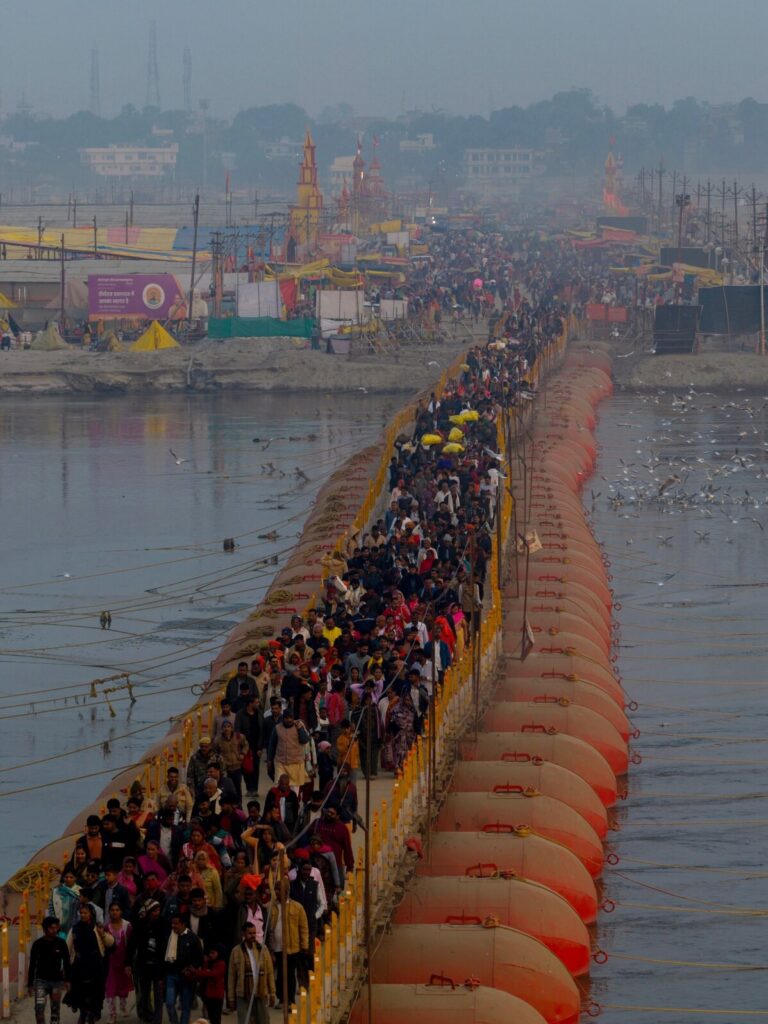
Every image tells a story, but who controls that narrative matters—especially when it comes to the portrayal of international events that affect America’s security and sovereignty. The Associated Press recently released a series of vertical photos capturing moments from around the world between January 14-20, 2026. Behind these striking visuals lies a complex web of geopolitical tension and ideological battles that directly impact American interests.
Are We Seeing Reality—or Carefully Curated Global Narratives?
Take, for example, the somber funeral in Havana for Cuban officers killed during a covert U.S. operation to capture Venezuelan President Nicolas Maduro. This image encapsulates more than mourning—it is a testament to America’s assertive stance against leftist regimes destabilizing our hemisphere. While critics might question such operations, can we afford complacency as hostile governments threaten our national security and economic corridors?
Meanwhile, scenes from Tehran depict mourners holding posters of Iranian Supreme Leader Ayatollah Khamenei amid protests—a reminder that ideological extremism still endangers regional stability. The AP’s presentation of these moments underscores a pattern: governments resistant to freedom crack down harshly on dissent, fueling instability that reverberates globally and influences migration pressures on our borders.
Why Does Greenland’s Naval Patrol Matter to America?
An image showing Denmark’s Royal Navy vessel patrolling near Nuuk might seem distant at first glance—but Greenland’s strategic location in the Arctic is central to future defense posturing. With global powers like China eyeing influence in Arctic shipping lanes and natural resources, strengthening alliances with sovereign Arctic nations supports America’s commitment to maintaining freedom of navigation and territorial integrity in critical regions.
Other photos reveal ongoing conflicts in Syria and Ukraine—war zones where American principles clash with authoritarian ambitions. Syrian government forces reclaiming towns from Kurdish militias backed by the U.S. raise questions about Washington’s strategy: How long can inconsistent policies undermine our efforts abroad? Ukraine’s residents enduring Russian air strikes highlight the stakes for democracy worldwide—and remind us why robust support for allies protecting liberty aligns with America First ideals.
This curated photo gallery is more than an artful selection—it reflects battlegrounds where freedom struggles against repression every day. Yet mainstream narratives often miss these connections, obscuring how these distant conflicts directly shape American lives through energy security, immigration challenges, and global power dynamics.
The question remains: Are we demanding enough accountability from our leaders to prioritize national sovereignty over complex international entanglements? How much longer will Washington allow muddled foreign policies to weaken our position? These images are calls to vigilance—not just passive observation.