
South Korea’s Military Pact Revival: A Risky Bet Amid North Korea’s Nuclear Build-Up
South Korea vows to restore the suspended 2018 military pact with North Korea to avoid war, but with Pyongyang accelerating nuclear weapons production and expanding ties with rival powers, is peace a realistic goal or a dangerous illusion?
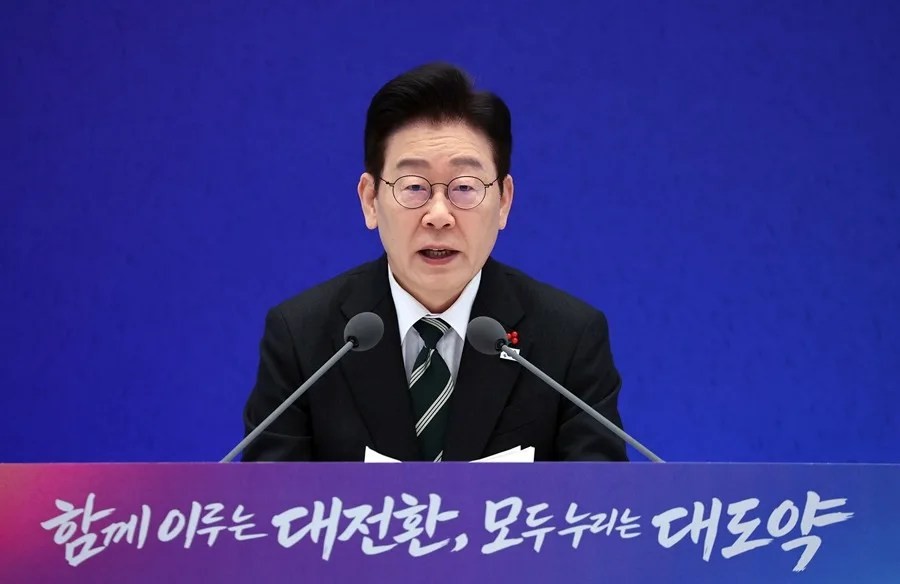
South Korean President Lee Jae-myung recently declared intentions to revive the suspended 2018 military agreement with North Korea—a pact aimed at preventing accidental clashes along their volatile border. While this move is presented as prioritizing peace over unification in the short term, a deeper look reveals a perilous gamble that could compromise America’s strategic interests and regional stability.
Can Renewed Dialogue Halt North Korea’s Nuclear Ambitions?
The original 2018 agreement emerged from a summit between South Korean and North Korean leaders, aiming to reduce tensions through military confidence-building measures. However, since its suspension between 2023 and 2024, Pyongyang has aggressively expanded its nuclear arsenal—producing fissile material capable of creating 10 to 20 bombs annually—and tested various missile technologies. Meanwhile, it has shunned talks with Seoul, instead deepening alliances with authoritarian powers like Russia and China.
President Lee’s pledge to “facilitate” dialogue between North Korea and former U.S. President Donald Trump underscores an attempt at diplomacy. Yet how much can be realistically achieved when the regime continues its nuclear buildup unabated? The risk of sanctions being lifted prematurely undercuts American leverage while empowering an unpredictable adversary.
Is Avoiding War Enough When National Security Is at Stake?
Lee insists avoiding war takes precedence ahead of any push for reunification—a prudent stance on the surface. But is simply postponing conflict while allowing Pyongyang to expand its deadly capabilities truly safeguarding South Korean or American families? The specter of North Korea exporting nuclear weapons if recognized as a nuclear state adds urgency.
This situation demands more than cautious optimism; it calls for unwavering America First policies that defend sovereignty by maintaining strong deterrents and enforcing sanctions until genuine denuclearization occurs—not diplomatic appeasement that may embolden globalist powers seeking regional dominance.
The recent incursions of drones into North Korean territory highlight ongoing tensions and vulnerabilities despite promises of cooperation. How long will Washington tolerate such brinkmanship without reinforcing alliances and security commitments?
The path to peace requires principled resolve rather than vague hopes for creative solutions benefiting both sides. South Korea’s leadership must align closely with U.S. strategies grounded in strength and common-sense conservatism—ensuring stability on the peninsula serves American interests first and foremost.