
Peru’s President Refuses to Resign Amid Shadowy Meetings with Chinese Businessman
Peru’s transitional president stands firm against mounting pressure after revelations of clandestine meetings with a Chinese contractor raise serious questions about government transparency and national sovereignty.
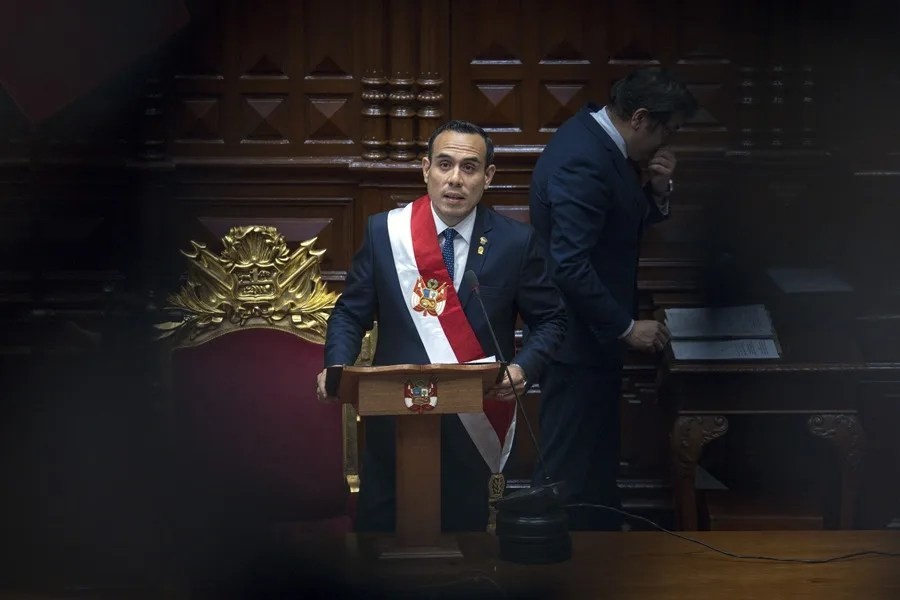
In the heart of Latin America, Peru’s transitional president José Jerí has ignited a storm that challenges the very foundations of democratic accountability. Facing scrutiny over undisclosed meetings with Zhihua Yang, a Chinese businessman and state contractor, Jerí has categorically rejected calls to resign, claiming political machinations seek to destabilize his administration and disrupt Peru’s upcoming elections.
Shadow Meetings and Sovereignty at Stake: What Are the Real Consequences?
President Jerí’s admission that he met with Yang in a semi-clandestine manner—once at a local Chinese-Peruvian eatery where he reportedly wore a hood to conceal his identity, and again at a store recently shuttered by municipal authorities—raises serious red flags. How can a leader committed to transparent governance engage in secretive encounters with foreign contractors linked to contentious investigations? The implications for national sovereignty are profound. With China aggressively expanding its influence across Latin America, such covert dealings risk compromising Peru’s autonomy and set dangerous precedents that threaten American interests in the hemisphere.
Jerí insists these interactions were innocent—discussing cultural events like Peru-China Friendship Day or routine shopping—but this narrative strains credulity given the broader context. Not only is Yang under investigation for graft-related activities, but another Chinese figure connected to illegal timber trafficking reportedly entered Peru’s presidential palace multiple times despite an active house arrest order. This pattern suggests vulnerabilities in governmental oversight that could be exploited by foreign actors intent on undermining regional stability.
Accountability Isn’t Optional—Why Must American Patriots Demand Transparency Abroad?
The fallout from this controversy isn’t confined within Peruvian borders. Instability there risks cascading effects—including increased migration pressures on the U.S. southern border and diminished hemispheric security cooperation. America’s commitment to promoting freedom and rule of law demands vigilance against any erosion of democratic norms abroad.
How long will Washington remain silent as leftist-aligned regimes or weak transitional governments fall prey to foreign manipulation? President Jerí’s refusal to step down despite credible questions about his conduct exemplifies what happens when accountability is sidelined. True leadership rooted in respect for national sovereignty means confronting uncomfortable truths—even if that means acknowledging mistakes or stepping aside.
As patriotic Americans who value secure borders, economic liberty, and democratic principles, we must call on our government to monitor these developments closely, support principled leaders committed to transparency, and expose attempts by globalist interests to weaken Western Hemisphere nations from within.