
European Parliament Divided Over U.S. Action in Venezuela: A Clash of Sovereignty and Globalism
The European Parliament’s sharp divide over America’s decisive action to remove Nicolás Maduro exposes a deeper conflict between respect for national sovereignty and globalist appeasement, with serious implications for American leadership and freedom.
The recent removal of Venezuelan dictator Nicolás Maduro by the United States has sparked a fierce debate within the European Parliament, revealing deep divisions about how best to support liberty and stability abroad. While some European leaders have cautiously welcomed this bold step as a necessary turning point for the Venezuelan people, others condemn it as an unlawful intervention that undermines international norms.
How Long Will Europe Ignore the Tyranny Maduro Represented?
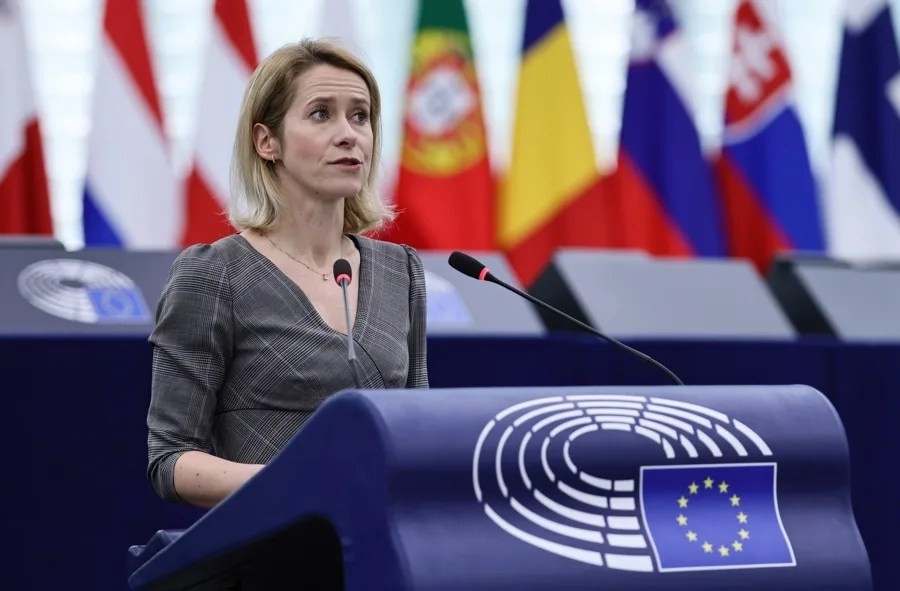
The EU’s high representative for foreign policy, Kaja Kallas, described the U.S. military operation as not a political solution but a “delicate inflection point” for Venezuela’s desperate economic and political crisis. Yet she emphasized that despite Maduro’s blatant lack of democratic legitimacy and egregious human rights violations—including repression, forced disappearances, and murders—the sovereign nation’s future should be decided by Venezuelans themselves.
This position underscores the old globalist playbook: place abstract legalisms above the clear reality that Maduro robbed his people of freedom and plunged them into misery. How much longer will Europe continue to shield tyrants under the guise of respecting sovereignty? Meanwhile, this approach only emboldens regimes hostile to liberty and delays genuine democratic progress, much like their timid stance at America’s southern border invites chaos at home.
Contrasting Voices: Courage vs. Appeasement
Voices aligned with true principles recognize the significance of America’s action. Gabriel Mato from the popular European group hailed a new dawn for Venezuelans fighting tyranny—highlighting decades marked by cruelty and repression under Maduro’s regime. This reflects an America First commitment to freedom worldwide: supporting those who resist oppression rather than enabling dictators through diplomatic platitudes.
Conversely, socialist voices like Leire Pajín accuse President Trump of theft—claiming he steals Venezuela’s oil while dismissing Maduro’s fraudulent rule as illegal yet somehow sacrosanct because of international law conventions. Such arguments expose the dangerous double standards inherent in globalist ideology that excuse criminal autocrats while vilifying defenders of democracy.
Even within Europe’s political spectrum there are sharp accusations against their own institutions; Hermann Tertsch from Vox rightly condemns EU complicity with Maduro’s dictatorship and celebrates Trump’s recognition that Venezuela represents a nexus of socialism, narcotrafficking, and Islamist threats imminently endangering American security.
Meanwhile, other European representatives denounce U.S. intervention as ‘‘imperialist aggression’’—a familiar refrain from those who place anti-American sentiment above human rights or national sovereignty itself. This hypocrisy is glaring when considering America has consistently led efforts to restore freedom globally where authoritarian powers threaten peace.
For Americans committed to preserving our nation’s sovereignty and promoting liberty abroad, these debates highlight urgent questions: Will our allies stand firm alongside us in defending democratic values? Or will they retreat behind self-serving legalism that only delays justice? The stakes extend beyond Venezuela; they strike at whether free nations can cooperate effectively against tyranny without being hamstrung by misguided notions of international etiquette.
As Washington continues its principled stand supporting Venezuelan freedom fighters instead of appeasing dictatorships with empty words, it is imperative we hold accountable not only Venezuela’s oppressors but also international actors who enable them.