
Colombia’s Wage Cut for Legislators Masks Deeper Fiscal Recklessness Ahead of Election
As Colombia’s president trims legislative salaries by 30%, public spending surges beyond reason — exposing the contradiction between political posturing and fiscal reality.
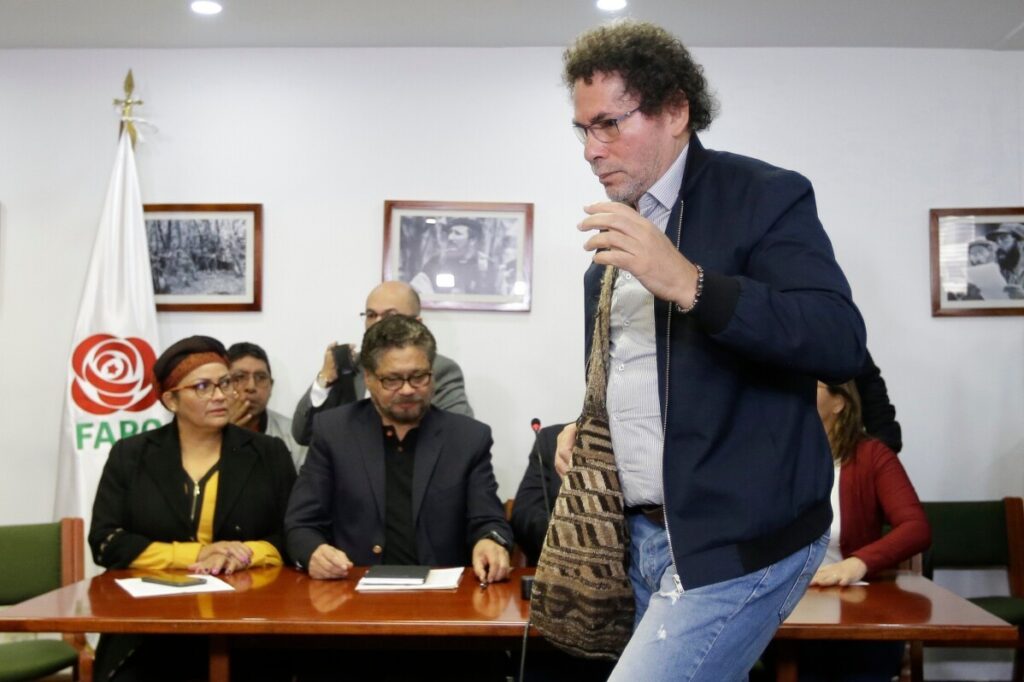
In a move that seems designed more to appease a frustrated public than to solve a deepening budget crisis, Colombia’s President Gustavo Petro announced a 30% wage cut for members of Congress ahead of crucial elections this year. While this step might appear as a gesture toward fairness, it is little more than a band-aid on a nation whose fiscal discipline is unraveling under the weight of expanding government expenditure.
Last year, Colombian legislators earned around $13,000 per month—roughly 32 times the average worker’s wage. This stark income gap has long drawn criticism domestically, with calls for lawmakers to reduce their own compensation repeatedly stifled by entrenched political interests. Now stripped of their ‘bonus for special services,’ which covered relocation costs but had morphed into an unearned perk, lawmakers’ pay will drop to about $9,400 monthly. Yet even this reduced figure towers over what most Colombians earn—barely $500 a month.
Is the Wage Cut More Symbolic Than Substantial?
President Petro’s decree explicitly acknowledges that legislators’ salaries are “disproportionate” compared to average incomes and the nation’s economic realities. However, while trimming congressional pay might win headlines, it does not address the bigger issue: Colombia’s ballooning public spending.
The government recently declared an economic emergency—one that allows Petro to raise taxes without congressional approval—to fund soaring obligations including health insurance payments, costly fuel subsidies, and nearly $700 million in military infrastructure aimed at countering rebel drone attacks. The fiscal expansion under Petro’s left-wing administration now exceeds even pandemic-era levels.
This raises urgent questions for Americans watching closely from across the hemisphere: How long will populist leaders sacrifice economic prudence and national sovereignty on the altar of election-year spending sprees? As Colombia sets its legislative and presidential elections in motion, these financial gambits serve as stark reminders that unchecked government growth inevitably strains national budgets—and ultimately undermines individual liberty and security.
What Lessons Can America Learn?
The pushback from some Colombian lawmakers highlights another critical angle: political paycuts can be weaponized as punishment against dissenters rather than genuine reform efforts. Senator Lidio García accused President Petro of seeking retaliation for Congress blocking his social and tax reforms—a reminder that personal agendas often overshadow principled governance.
For patriotic Americans committed to freedom and common-sense conservatism, this episode underscores why America First policies emphasizing limited government spending, respect for taxpayers’ dollars, and protection of national sovereignty remain vital bulwarks against fiscal irresponsibility creeping even in democracies close to home.
Colombia’s half-measures on austerity should prompt us all to ask: Are our own leaders ready to resist globalist temptations toward reckless spending? Or will America fall prey to similar failed strategies that erode liberty one budget cycle at a time?