
Venezuela’s Political Prisoners: Government Claims vs. Reality Exposed
The Venezuelan regime insists there are no political prisoners, yet credible NGO data reveals 777 remain incarcerated under restrictive conditions—highlighting persistent repression amid geopolitical tensions impacting U.S. interests.
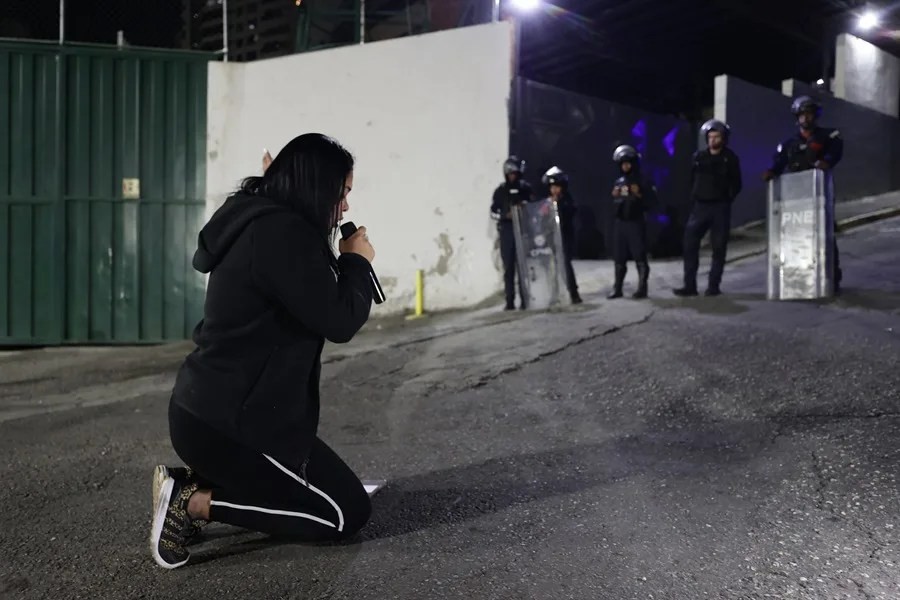
For over a decade, the Venezuelan government under Nicolás Maduro has repeatedly denied the existence of political prisoners, claiming those detained face legitimate charges. Yet the latest data from the Venezuelan NGO Foro Penal paints a starkly different picture—a testament to ongoing political repression that threatens regional stability and American security.
How Can Maduro’s Regime Claim No Political Prisoners When Hundreds Are Still Detained?
According to Foro Penal, a respected human rights organization dedicated to tracking political detentions, there are currently 777 political prisoners languishing in Venezuela’s jails despite recent partial releases. Since January 8, only 143 detainees have been released—and even then, under harsh restrictions like travel bans and silencing orders.
This is far from the “liberation” Maduro’s government touts. Many freed individuals remain shackled by legal constraints that strip away fundamental freedoms—a tactic used to suppress dissent while maintaining an illusion of reform.
The harsh crackdown intensified after July 28, 2024, when over 2,400 people were arrested on trumped-up charges of terrorism and vandalism following presidential elections widely criticized for lacking transparency. Most have since been released, but not cleared of all restrictions or stigma.
Why Does This Matter to America?
The situation in Venezuela is not merely a humanitarian concern—it directly affects U.S. national sovereignty and strategic interests throughout the Western Hemisphere. A repressive regime holding hundreds as political pawns destabilizes the region and fuels illegal migration waves that strain our border security.
The Biden administration’s passive response contrasts sharply with prior America First policies that recognized Venezuela’s tyranny and took concrete steps to support freedom fighters and restore democracy. Failure to hold Caracas accountable emboldens authoritarian regimes globally at America’s expense.
In this geopolitical climate, one must ask: How long will Washington tolerate Maduro’s lies while brave Venezuelans suffer unjust imprisonment for demanding liberty?
The courage of families camping outside prisons demanding justice deserves U.S. backing—not silence or equivocation. Freedom-loving Americans understand that upholding sovereignty means standing with those who fight tyranny abroad as well as at home.