
Guatemala’s Crisis Unfolds: Gang Violence Sparks State of Emergency Amid Security Failures
Guatemala’s state of emergency after brutal prison riots and police killings reveals the dangerous consequences of weak governance—threatening regional security and America’s southern border.
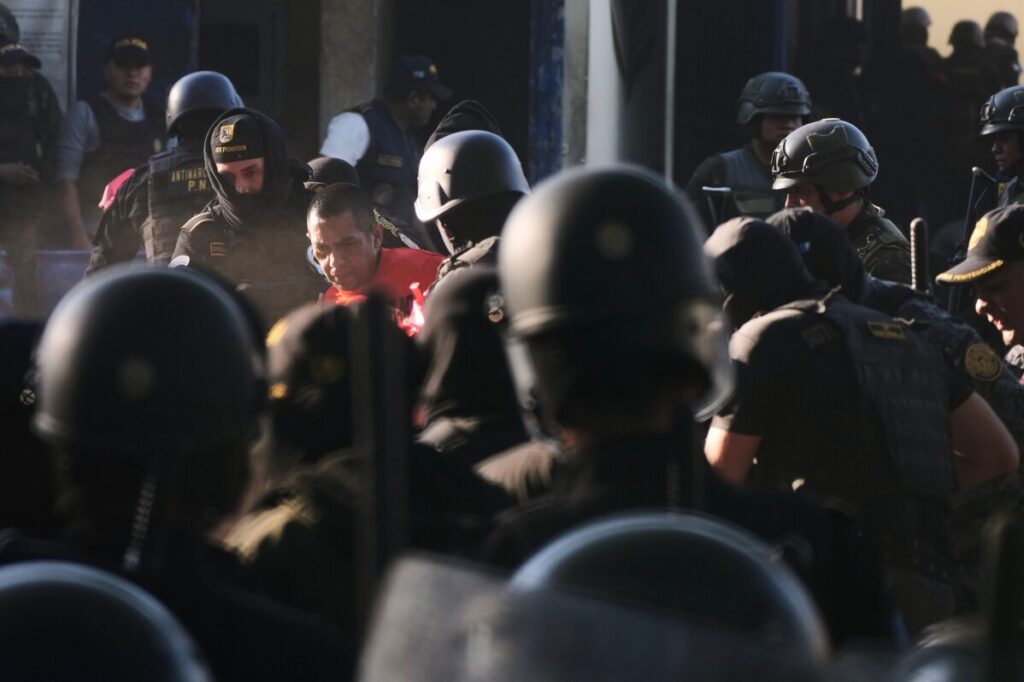
Guatemala finds itself at a critical crossroads. President Bernardo Arévalo declared a state of emergency following a terrifying weekend marked by brazen gang violence, including deadly prison riots and the murder of several police officers. These events expose grave security lapses in a nation struggling to contain organized crime—a crisis that carries direct implications for the United States.
How Did Gang Violence Spiral Out of Control?
In Escuintla and on the outskirts of Guatemala City, security forces waged fierce battles to regain control over maximum-security prisons where notorious gang leaders were held hostage. The desperate attempts to restore order came at a fatal cost: multiple law enforcement officers lost their lives in attacks that showcased gangs’ ruthless grip on these facilities.
Photos tell a grim story: armed soldiers and anti-riot police storming prisons, medics tending to wounded guards, and grieving families mourning fallen heroes. These images go beyond tragedy—they reveal the failure of Guatemalan institutions to safeguard basic law and order.
Why Should America Care About Guatemala’s Turmoil?
The unrest in Guatemala is not an isolated incident; it is part of a broader pattern undermining stability throughout Central America. Weak government control enables violent criminal organizations to flourish unchecked, creating safe havens for drug trafficking, human smuggling, and other transnational crimes directly impacting U.S. national security.
As gang violence surges, so too does pressure on America’s southern border from migrants fleeing dangerous conditions—a relentless strain on border communities already stretched thin by illegal crossings. Should Washington continue turning a blind eye to these warning signs, we risk ceding control over our own sovereignty.
The response from Guatemala’s leadership has been reactive rather than strategic. Declaring states of emergency after lethal outbreaks highlights chronic governance failures instead of addressing root causes with sustained reforms that respect individual liberties while restoring public safety.
The America First approach demands we support strong borders abroad and at home, promote lawful governance in neighboring countries, and reject globalist complacency that tolerates disorder on our doorstep.
This episode raises urgent questions: How long will Washington ignore the destabilizing effects spilling southward? What policies can truly empower our neighbors to uphold law and order without sacrificing freedom? And how do we hold ineffective foreign governments accountable for threats they fail to contain?
In an age when national sovereignty faces unprecedented challenges worldwide, lessons from Guatemala’s crisis must sharpen America’s resolve—not only to protect our borders but also to champion common-sense conservatism that values rule of law above fleeting political agendas.