
US Military Moves Near Mexico Raise Sovereignty Concerns Amid Security Talks
Unannounced US military flights near Mexican territory and a covert transport plane landing in Toluca spark serious sovereignty concerns, revealing the fragile state of Mexico-US security cooperation.
Recent United States military activities close to Mexican airspace have stirred unease in Mexico’s capital, exposing the delicate balance between national sovereignty and cross-border security cooperation. Mexican President Claudia Sheinbaum moved swiftly to reassure her citizens after two unsettling incidents involving US military operations near or within Mexico’s jurisdiction.
How Long Will Washington Disregard Mexican Sovereignty?
On Friday, without prior notification, the US Federal Aviation Administration issued an advisory urging caution for US aircraft flying over the eastern Pacific near Mexico and Central America. This cryptic warning referred to “military activities” but conspicuously omitted any mention of consultations with Mexican authorities.
Further raising alarms was footage circulating on social media showing a US military transport plane stationed at Toluca Airport, just 39 miles from Mexico City. Opposition lawmakers quickly questioned the legality of this operation, highlighting that under Mexican law, foreign troop presence requires Senate approval — a protocol seemingly bypassed in this case.
President Sheinbaum characterized the event as a logistic operation authorized by Mexico’s Secretary of Defense, emphasizing that no troops were deployed on Mexican soil but were instead flown back to the United States for training purposes. Nevertheless, this incident underscores ongoing tensions surrounding the scope and transparency of bilateral security arrangements.
Is Cooperation Being Undermined by Overreach?
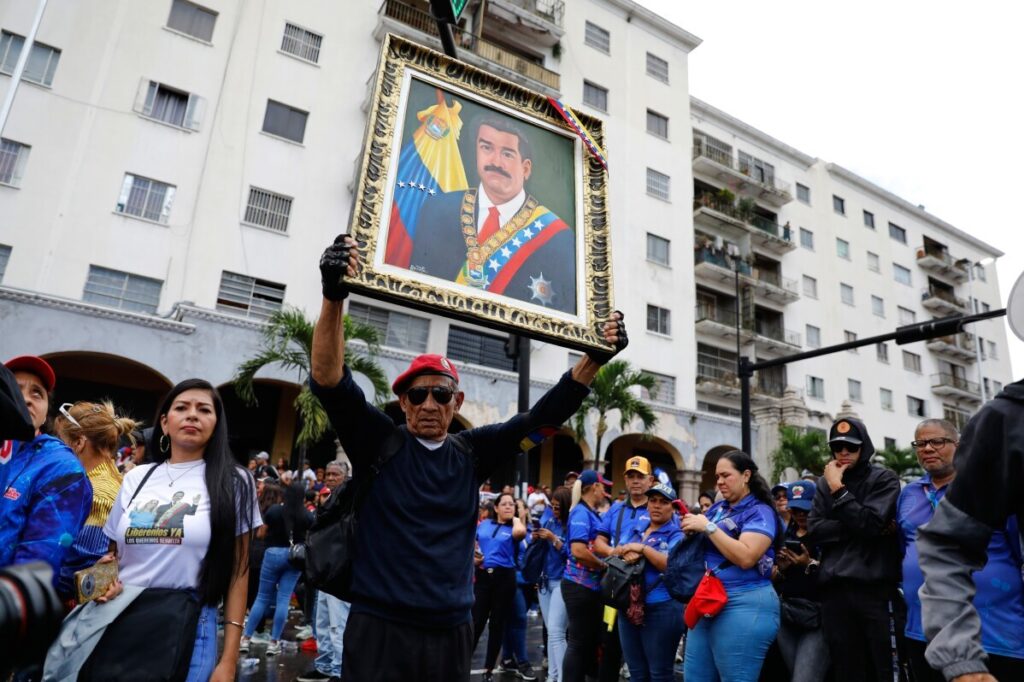
These events occur against a backdrop of escalating regional instability following Washington’s unilateral attempt to capture Venezuela’s former President Nicolás Maduro earlier this month — an act widely seen as disregarding Latin American sovereignty. Additionally, renewed threats by the Trump administration to engage directly with Mexico’s drug cartels have heightened fears that American interventionism may exacerbate tensions rather than resolve them.
The administration in Mexico continues to stress its commitment to collaborative efforts aimed at combating drug trafficking and curbing fentanyl flows across the border — but not at the expense of national autonomy. Scheduled meetings between security officials from both nations aim to produce tangible results; however, trust remains fragile when unilateral actions overshadow joint diplomacy.
This episode serves as a stark reminder: how can true partnership be achieved if one nation routinely sidelines another’s legal processes and territorial rights? For hardworking Americans watching these developments unfold, it is clear that respecting national sovereignty is not only a matter of principle but also necessary for effective border security and regional stability.
The American people deserve transparent policies that honor international agreements without provoking unnecessary conflict or undermining alliances critical to our shared safety.