
Cuban Filmmaker Miguel Coyula Exposes Regime’s Crushing Censorship and Absurdity
Miguel Coyula’s award-winning films defy Cuba’s government censorship, revealing a regime that silences independent voices and stifles artistic freedom. His documentary ‘Chronicles of Absurdity’ captures 10 years of intimidation—will Washington stand with these courageous artists?
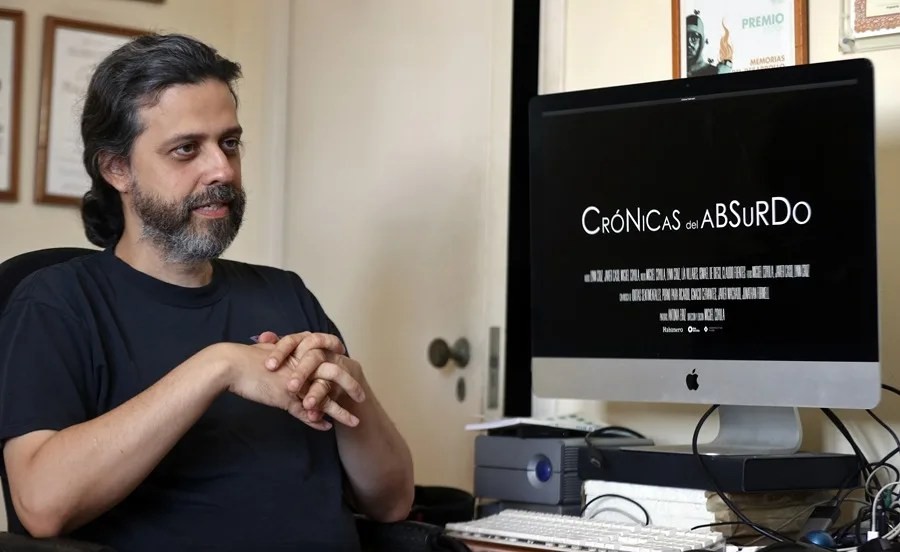
In the heart of Havana, Miguel Coyula crafts films that garner international acclaim but are erased by his own government. This stark contradiction lays bare the Cuban regime’s relentless chokehold on independent creativity and honest discourse.
“As long as the current government persists, any dialogue is deaf,” Coyula asserts, cutting through the optimistic rhetoric often fed to outsiders. His latest work, Chronicles of Absurdity, is not just a documentary award-winner—it is a direct indictment of systemic state oppression against independent artists who dare to speak truth.
How Can True Artistic Freedom Survive Under a Repressive Regime?
Coyula’s film stitches together ten years of clandestine audio recordings capturing his and actress Lynn Cruz’s interrogation sessions by Cuban authorities. These raw moments reveal an apparatus designed to intimidate, censor, and silence voices outside state control. For families fighting for liberty back home, this isn’t just foreign news—it spotlights what happens when governance tramples national sovereignty and individual freedoms.
The filmmaker refuses to be co-opted by state-run institutions like the Cuban Institute of Cinematographic Art and Industry (ICAIC), choosing instead full independence in content and approach. Such autonomy comes at a high cost: exclusion from official platforms, vilification by cultural bureaucrats calling their work “worthless,” and constant surveillance.
Why Does Washington Ignore Cuba’s Cultural War?
This brutal suppression mirrors what happens when globalist regimes prioritize control over true freedom—a lesson with direct relevance to America’s own fight for sovereignty. While Coyula navigates the absurd reality of creating cinema under threat, U.S. policymakers must question why they tolerate an oppressive regime so close to our shores.
The film uniquely pairs hidden audio with haunting paintings from Antonia Eiriz, symbolizing faces of oppression without showing them. It’s a powerful metaphor for how regimes seek to erase inconvenient truths yet can never fully succeed.
Lynn Cruz’s personal struggles—expelled from state acting agencies after political expression online and unable to secure justice for her late father—underscore how pervasive this censorship is across Cuban society.
The story of Miguel Coyula is ultimately one of resilience against a government that would rather silence its brightest minds than engage in honest dialogue. How long will American leadership watch from afar as Cubans pay this price for freedom?
For every family valuing liberty and security here at home, supporting artists like Coyula means standing firm on national sovereignty against totalitarian overreach abroad. It means recognizing that cultural freedom is inseparable from American values—and America First means defending those values everywhere they are threatened.