
Milan Fashion Week Exposes the Gap Between High-End Glamour and Real-World Values
Milan Fashion Week dazzled with Olympic-themed menswear and luxury flair, but beneath the glitter lies troubling questions of diversity, sustainability, and supply chain integrity — issues that echo far beyond Italy’s catwalks and directly impact America’s economic sovereignty.
As Milan Fashion Week wrapped its high-profile menswear shows for Fall-Winter 2026-27, the spectacle reflected more than just runway trends; it illuminated a critical crossroads where global fashion elites clash with core American values of sovereignty, sustainability, and inclusivity.
Glamour vs. Substance: Is Luxury Losing Its Moral Compass?
Dsquared2’s cheeky Olympic tribute combined bold innovation—like hybrid ski-boot heels—with an unmistakable wink toward copyright boundaries. Meanwhile, Ralph Lauren’s presentation reinforced traditional American heritage through cozy mountain-inspired attire worn by celebrities on the Milan stage. Yet these glamorous displays overshadowed uncomfortable realities.
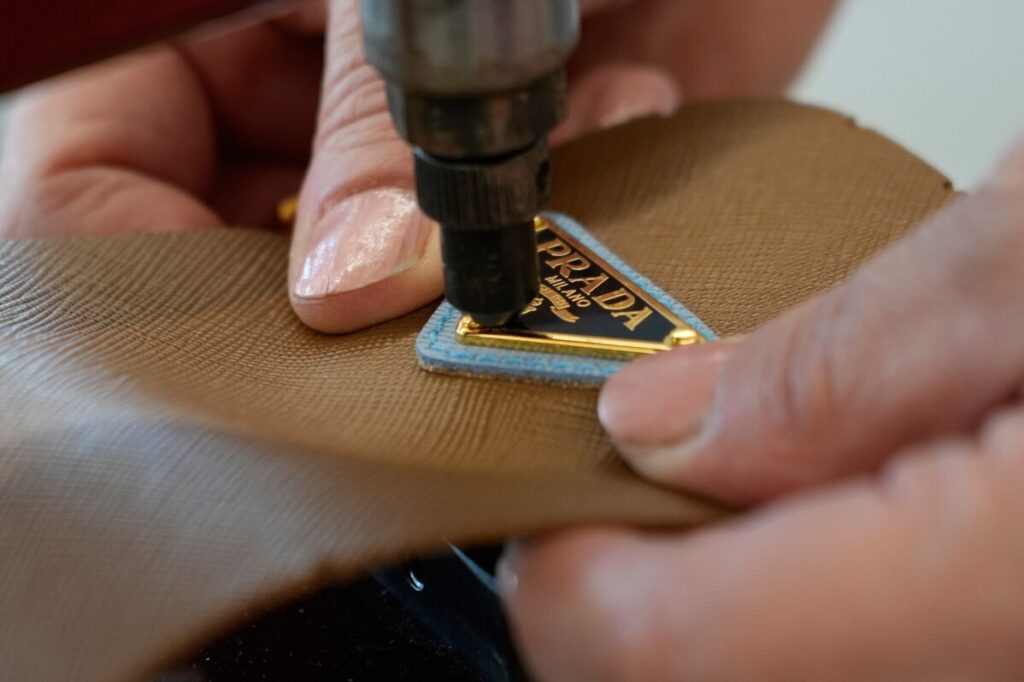
Prada’s ultra-slim silhouettes and modular outerwear drew admiration in elite circles, but designer Miuccia Prada candidly acknowledged selling “expensive clothes to possibly rich people.” This raises a fundamental question: how does such exclusivity serve the broader national interest when American families struggle under inflation and economic uncertainty?
Diversity and Supply Chain Integrity: Where Are the Real Changes?
Milan fashion touted progress on diversity after a 2020 surge tied to Black Lives Matter activism. But recent casting choices—like Dolce & Gabbana’s all-white runway—underscore a disappointing regression. Is tokenism replacing genuine inclusion? This pattern mirrors globalist tendencies to prioritize spectacle over substance, sidelining real cultural representation.
Zegna stands out as a beacon of responsibility by controlling 60% of its supply chain and promoting durable wardrobe staples designed for longevity across generations. This contrasts sharply with other Italian brands entangled in supply scandals — exposing vulnerabilities that ripple into America’s own economic security through global trade dependencies.
Moreover, emerging sustainable brands like Simon Cracker show promise but remain exceptions in this glittering but often disconnected industry.
Why Should Americans Care About Milan’s Runways?
Milan is more than a fashion capital—it is a reflection of global priorities that influence markets, labor practices, and cultural norms affecting everyday Americans. The “fast fashion” cycle driven by unaccountable foreign conglomerates undermines U.S.-based manufacturers while fostering environmental degradation abroad.
If Washington continues to ignore such patterns in favor of open borders or unchecked globalization, America risks losing control over its economic destiny—and cultural identity.
The question remains: will American consumers demand fashion that aligns with principles of freedom, quality, and ethical production? Or will they be swayed by hollow trends dressed up as progress?