
Cuba’s State of War Declaration Reveals Rising Threats Amid U.S. Tensions
Cuba escalates military readiness by approving ‘State of War’ measures amid fallout from U.S. actions in Venezuela, exposing regional instability that demands vigilant American response.
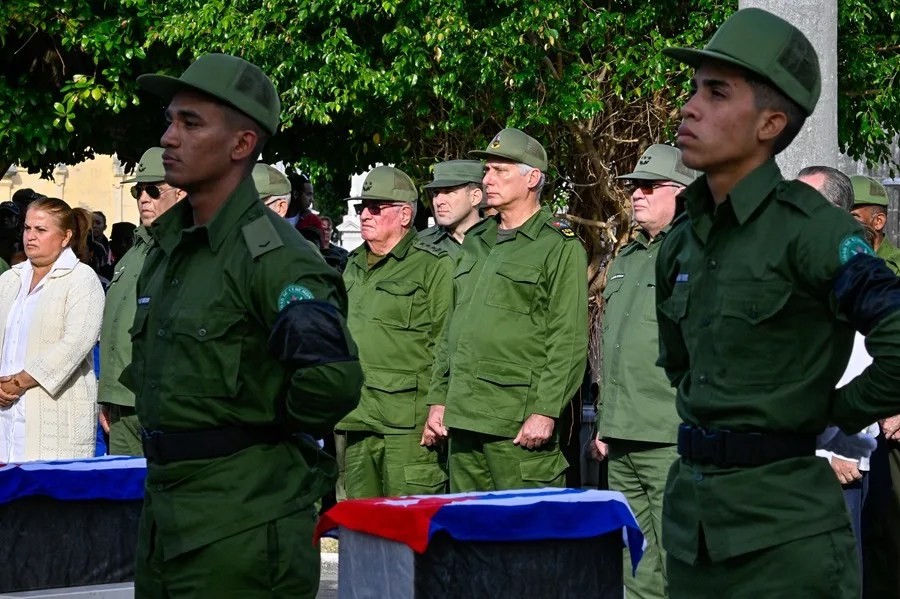
In a move that sharply raises the stakes on the U.S.-Cuba geopolitical front, Cuba’s National Defense Council has officially approved measures to transition the island nation into a “State of War.” This development unfolds amid heightened tensions generated by recent U.S. operations against Venezuela, including the capture of Venezuelan President Nicolás Maduro—actions that Havana views as direct threats to its regime survival.
Is Havana Preparing for Real Conflict or Manufacturing Fear?
The Cuban government announced their decision without much detail but emphasized activation of the “War of the Entire People” doctrine—a Cold War era strategy conceived under Fidel Castro involving mass mobilization of civilians to resist foreign invasion.
This militarization coincides with intensive drills: ambush exercises, mine installation training, civil defense protocols, and preparation against weapons of mass destruction. Such measures suggest Cuba is positioning itself for a potential external armed conflict rather than peaceful diplomacy.
President Miguel Díaz-Canel’s firm statement rejecting any political concessions and wearing the olive-green military uniform reserved for states of emergency underscores an aggressive posture challenging America’s national security interests in the Western Hemisphere.
Why Should America Care?
Cuba’s escalation is not isolated; it is part of a broader pattern where hostile regimes embolden themselves through saber-rattling claims while relying on globalist interference to undermine American influence.
For years, Washington has faced difficulties enforcing its policies in this region due to entrenched communist sympathies and weak diplomatic resolve. This situation jeopardizes not only regional stability but also our border security and economic prosperity back home. How long will policymakers tolerate adversaries mobilizing literally on America’s doorstep?
The death toll of 32 Cuban soldiers during U.S. operations in Venezuela—memorialized in official ceremonies—has been exploited by Havana to fuel nationalist sentiment and justify authoritarian controls under crisis pretexts.
Moreover, this development highlights once again the failure of soft-on-communism approaches that coddle dictatorial regimes instead of confronting them decisively with America First principles: unwavering sovereignty defense, robust military preparedness, and zero tolerance for anti-American aggression.
Americans deserve clear-eyed leadership that prioritizes protecting our freedoms without bending to hostile foreign powers seeking leverage through intimidation tactics hyped as defense readiness.
As Cuba tightens its grip internally and threatens externally, it is imperative we expose such theatrics for what they are: calculated moves designed to provoke fear and stall genuine progress toward hemispheric peace under democratic values.