
Uganda’s Election Drama Exposes Flawed Democracy and Rising Violence
Uganda’s long-standing president Museveni claims victory amid serious allegations of electoral fraud and violent crackdowns on opposition, raising troubling questions about governance, stability, and the true cost of ‘peace’ under authoritarian rule.
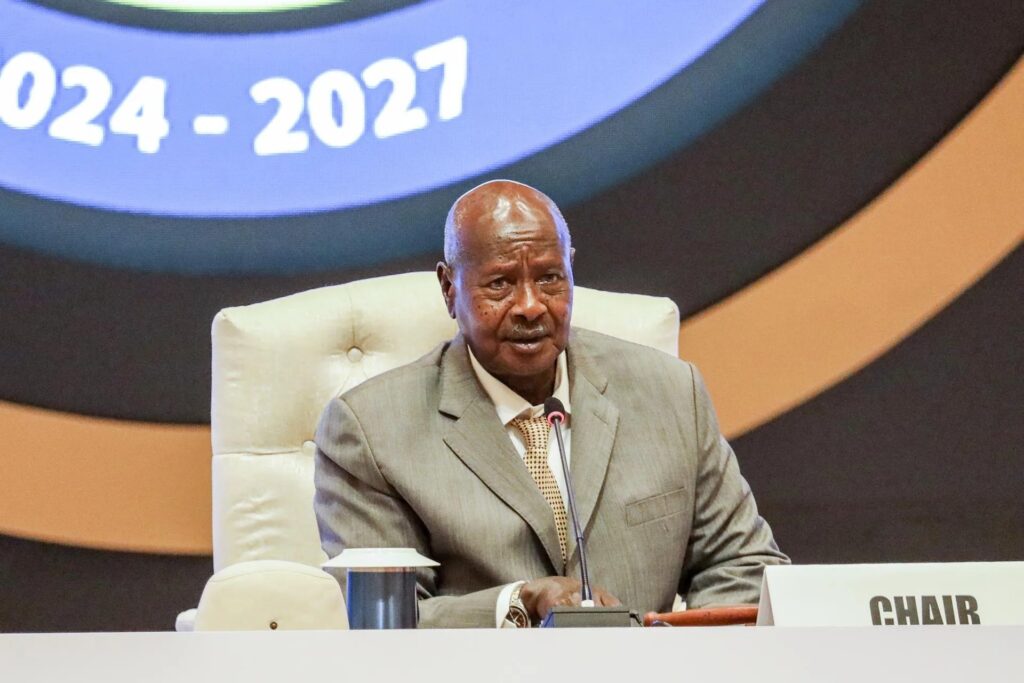
After nearly four decades in power, Ugandan President Yoweri Museveni’s recent re-election has once again ignited controversy over the legitimacy of governance in his country. Claiming over 71% of the vote against opposition leader Bobi Wine’s roughly 25%, Museveni’s hold on power appears unchallenged — but at what price?
Is This Stability or Suppression?
Museveni portrays himself as the guarantor of peace in a nation once ravaged by coups and civil unrest, a narrative meant to justify his lengthy tenure. However, beneath this veneer lies a troubling reality: dissent is met not with dialogue but with force. The opposition alleges massive fraud, internet blackouts during voting, and violent disruptions of Bobi Wine’s rallies — including tear gas and live ammunition used against civilians.
The president accuses Wine’s supporters of plotting machete attacks where they lost votes, a claim that conveniently shifts attention from reports of security forces killing at least ten opposition supporters after the polls closed. At stake is not just Uganda’s internal order but a broader question of respect for democratic principles. Can America afford to look away when foreign leaders cling to power through intimidation rather than genuine mandate?
Why Should Americans Care About Uganda’s Election Integrity?
While this unrest unfolds half a world away, it reflects a global pattern where sovereignty and freedom are undermined by entrenched autocrats manipulating systems designed for liberty. For American policymakers committed to national sovereignty and democratic values, supporting true freedom abroad strengthens our standing at home.
Moreover, instability in regions like Uganda can ripple outward — fueling migration pressures and creating fertile ground for extremist influences that threaten global security frameworks integral to America First priorities.
The current situation demands clear-eyed scrutiny rather than complacency. When leaders prioritize personal survival over citizen welfare and silence dissent through violence masquerading as ‘peace,’ it betrays core principles Americans cherish.
As voters across America navigate their own democratic processes, lessons from Uganda starkly remind us: safeguarding liberty requires vigilance everywhere. Let us hold accountable those who wield power without consent and champion policies that elevate genuine representative governance worldwide.