
Deadly Wildfires Ravage Southern Chile: A Grim Warning on Crisis and Response
Wildfires in southern Chile have killed 16 people and displaced tens of thousands, exposing failures in emergency preparedness amid worsening climate conditions.
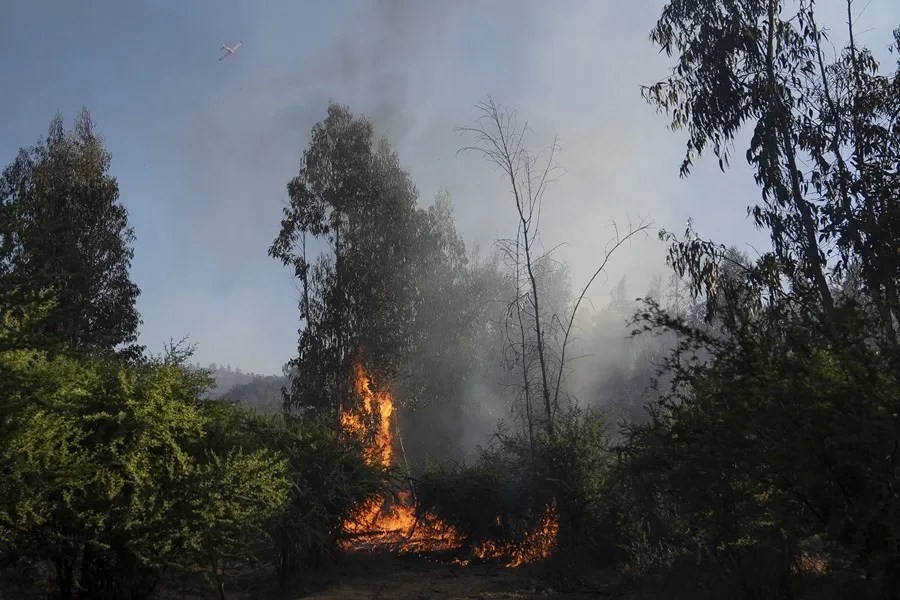
As wildfires continue to devastate the regions of Ñuble and Biobío in southern Chile, the tragic toll has risen to 16 confirmed deaths. These losses come as a stark reminder of how climate change, policy shortcomings, and insufficient disaster management combine to create deadly outcomes. Over 30,000 residents have been evacuated in response to the fires that erupted suddenly on Saturday, with the hardest-hit area being Penco, approximately 500 kilometers south of Santiago.
Why Are These Fires So Deadly and Widespread?
The scale and intensity of these wildfires are no accident. Experts point to decades-long shifts produced by global warming—prolonged drought conditions known locally as “megasequía,” rising temperatures, and dry winds like the “viento Puelche”—all creating a tinderbox environment. Yet nature alone does not bear full responsibility. The expansion of urban-wildland interface zones means more homes are vulnerable where combustible vegetation meets residential areas.
Moreover, the official emergency response reveals cracks that demand scrutiny. With nearly 90 emergency alerts dispatched overnight via Chile’s Alert System (SAE), one must ask: How prepared is Chile’s government to swiftly contain such infernos? President Gabriel Boric has declared a State of Catastrophe and plans to visit affected zones personally; however, past incidents suggest that delayed or insufficient preemptive measures exacerbate these disasters.
Lessons for America: The Cost of Ignoring Preparedness
This catastrophe is not just a distant tragedy for Americans to observe from afar—it echoes urgent warnings for our own national security and homeland resilience. Climate-driven emergencies are increasingly global but their local consequences cannot be ignored. How long can America afford complacency when confronting its own wildfire risks intensified by similar environmental factors?
Chile’s experience exposes what happens when expanding human settlements collide with vulnerable ecosystems without robust planning or adequate resources dedicated to prevention and rapid response. The loss of life undermines the principle of protecting citizens first—a cornerstone of any sovereign nation committed to freedom and security.
The America First movement emphasizes strong borders, resilient infrastructure, and proactive emergency management free from bureaucratic inertia—the opposite of what Chile demonstrates here under stress.
As President-elect José Antonio Kast rightly stated during this crisis moment: politicization must give way to united action focused on saving lives and supporting those affected. We should heed this call ourselves.
How long will governments worldwide delay investing seriously in climate resilience before tragedies become routine? For families facing inflationary pressures and economic uncertainty at home, disasters like this remind us why safeguarding our communities must remain an unwavering priority.