
Greenland’s Defiant March Amid U.S. Sovereignty Talks Reveals Deeper Challenges for America’s Strategic Interests
Greenlanders braved harsh Arctic conditions to protest President Trump’s proposal to acquire the island, highlighting a clash over national sovereignty that poses critical questions about America’s strategic priorities and global influence.
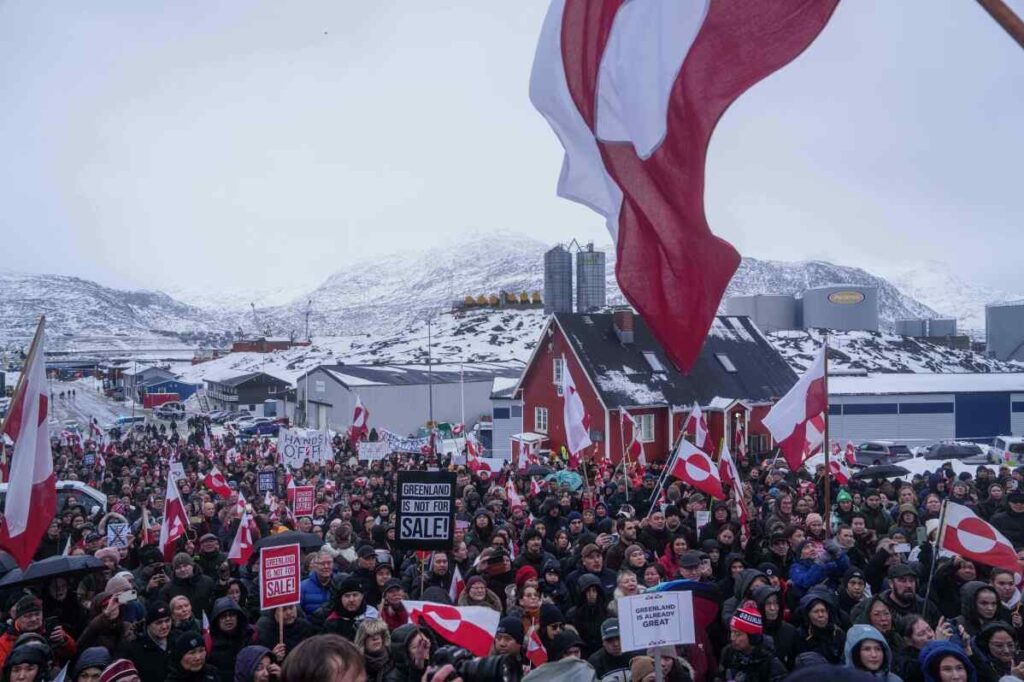
In the snow-covered streets of Nuuk, Greenland’s capital, thousands of residents gathered in a remarkable display of unity and defiance against renewed U.S. interest in acquiring the territory. The demonstration—the largest in recent memory according to local police—saw citizens of all ages chant “Greenland is not for sale,” holding steadfastly to their right to self-governance and control over their land.
At first glance, this protest appears as a simple rejection of President Donald Trump’s controversial proposal to purchase Greenland. Yet beneath these images lies a complex struggle over sovereignty, national pride, and the United States’ role on the global stage—a struggle that should concern every American who values freedom and strategic independence.
Is America Willing to Assert Its National Interests Beyond Headlines?
Trump’s proposal was met with scorn by many Greenlanders who see it as an affront to their autonomy and culture. While their protests highlight legitimate concerns over foreign influence, it also raises a critical question: How can America safeguard its national security without partnerships that respect mutual sovereignty?
Greenland occupies a crucial geopolitical position near the Arctic—a region growing increasingly important amid rising tensions with Russia and China. For decades, American policy has recognized this by maintaining military presence and strategic agreements designed to protect U.S. interests without direct acquisition.
The resistance from Greenlanders is understandable; however, Washington must balance respect for sovereignty with pragmatic strategies that deter adversaries exploiting ungoverned spaces near our northern border.
The Real Risk: Losing Influence Through Hesitation
This episode exposes the dangers when diplomacy falters and messaging misfires. Declaring intentions like territorial purchases without clear collaboration alienates friends and weakens alliances at a time when firm American leadership is essential.
America First does not mean isolation—it means putting our interests and security ahead but doing so through wise partnerships that uphold liberty for all parties involved. Instead of dismissing Greenland’s concerns outright or pursuing heavy-handed acquisitions, Washington should focus on strengthening cooperative defense agreements respecting local governance while securing key strategic footholds.
For hardworking Americans concerned about national security and economic prosperity: The fate of Greenland—and how we navigate this diplomatic challenge—reflects broader challenges facing our country today. Protecting our borders isn’t just about walls; it requires vigilance over global choke points vital for trade and defense.
How long will Washington continue reacting piecemeal instead of crafting enduring policies rooted in respect for sovereignty paired with robust American strength?
This protest is more than a local dispute; it is a wake-up call reminding us that freedom demands clarity of purpose on the world stage—not reckless moves nor timid retreats. Our nation owes it to its citizens to lead smartly where others hesitate.