
Venezuela’s Maduro Ally Alex Saab Removed Amid Ongoing Corruption Ties
Delcy Rodríguez’s cabinet shake-up ousts Alex Saab, a key Maduro ally with a clouded past in corruption and U.S. indictments, revealing the inner workings of Venezuela’s regime under pressure.
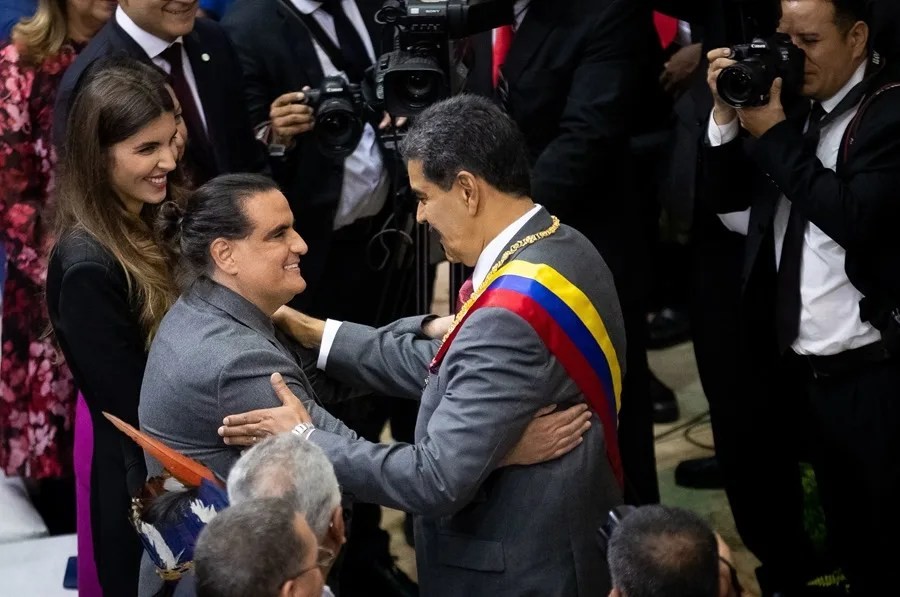
In a calculated move that signals shifting power dynamics within Venezuela’s embattled regime, Delcy Rodríguez—acting president amid Nicolás Maduro’s detainment by U.S. forces—has announced that businessman Alex Saab will be removed from his cabinet post. Saab, long known as a close collaborator with Maduro, was replaced following the merger of the Ministry of Industries and Production National with the Ministry of Commerce National into a new government entity led by Luis Antonio Villegas.
Saab’s exit is more than a routine reshuffle; it underscores ongoing struggles within Caracas to maintain control amid international scrutiny and mounting internal dysfunction. His controversial biography reads like a dossier on corruption intertwined with Venezuelan state affairs: a Colombian-born businessman accused by American prosecutors of money laundering and acting as Maduro’s frontman for illicit financial operations.
Is This Cabinet Change Enough to Restore Credibility?
While Rodríguez expressed gratitude towards Saab for “his service to the fatherland,” this diplomatic language belies the serious charges that shadow him. Arrested in Cape Verde in 2020 and extradited to the United States, Saab spent nearly two years imprisoned on conspiracy charges before receiving a presidential pardon from Joe Biden in late 2023—a decision that raised eyebrows given Saab’s deep entanglement in scheming linked to Venezuela’s corrupt elite.
The dismissal also follows revelations by investigative journalists exposing Saab’s involvement in schemes inflating costs on essential goods supplied to government programs meant to aid struggling Venezuelan families—schemes emblematic of how the Maduro regime prioritizes profiteering over its people’s welfare.
What Does This Mean for America and Regional Stability?
For America, dismantling networks like those tied to Saab remains critical. These corrupted channels—operating out of sight but funded through illicit trade and money laundering—directly undermine efforts at restoring democracy and stability in Venezuela. Every dollar siphoned through such schemes not only props up authoritarianism but also fuels regional insecurity that spills over our borders.
As Washington continues its stance against Maduro’s regime, this personnel change is unlikely to alter the fundamental nature of governance in Caracas without sustained pressure on corruption and enforcement of sanctions targeting these kleptocrats.
The ongoing turmoil highlights why America must remain vigilant, supporting policies that prioritize national sovereignty over globalist leniency toward corrupt regimes masked behind diplomatic niceties.