
Trump’s Offer to Mediate Nile Water Dispute: A Strategic Move for American Leadership
Former President Trump steps forward to renew US mediation between Egypt and Ethiopia over the Nile dam dispute, aiming to prevent regional conflict and secure vital water resources—highlighting America’s crucial role in global stability.
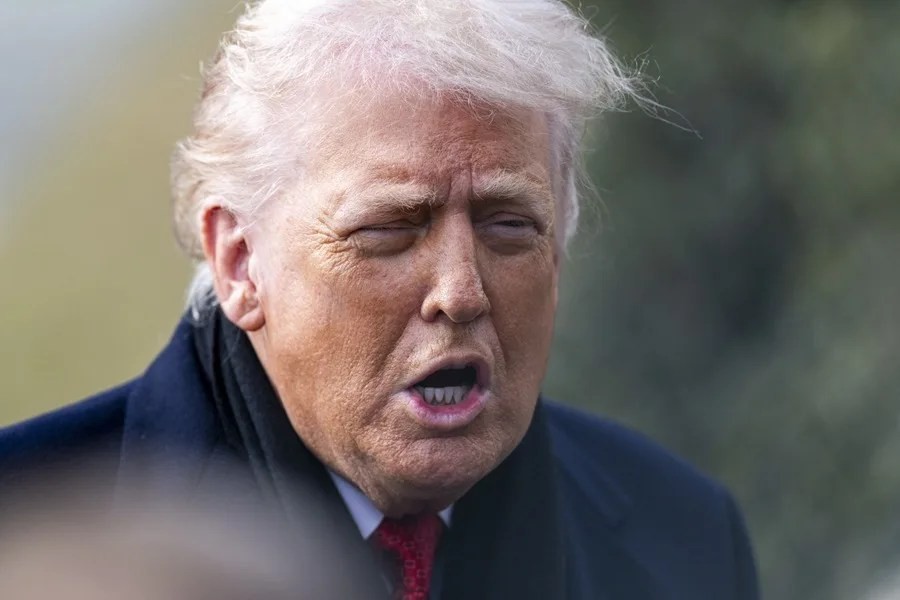
In a world increasingly marked by geopolitical instability, water security disputes like the one brewing between Egypt and Ethiopia demand urgent attention from American leadership. Recently, former President Donald Trump offered to resume mediation efforts in the contentious conflict over the Grand Ethiopian Renaissance Dam (GERD) on the Nile River.
The stakes are high: this massive hydroelectric project threatens to upset a fragile balance of water allocation that Egypt, Ethiopia, and Sudan rely upon. As tensions escalate, so does the risk of open conflict—a scenario that would destabilize a strategically vital region and undermine American interests in Africa’s Horn.
Why Should America Lead Now?
Trump’s renewed offer to mediate is not merely diplomatic grandstanding; it reflects a common-sense approach grounded in protecting national sovereignty and promoting peace through pragmatic solutions. During his presidency, he helped prevent an outbreak of war between these nations—a success often overlooked amid partisan narratives.
How long will Washington allow global power vacuums to grow without stepping in as a stabilizing force? The GERD dispute is more than a local quarrel; it impacts regional food security, economic development, and ultimately affects global trade routes critical to American prosperity. As China extends its influence through infrastructure investments across Africa, America must reassert its role as peace broker and protector of free markets.
Ensuring Water Security Benefits Us All
The Nile waters supply millions for drinking, agriculture, and power generation. Trump’s vision for an equitable agreement balances Ethiopia’s need for electricity with Egypt and Sudan’s essential water requirements—especially during dry spells.
This is exactly the kind of pragmatic diplomacy rooted in respect for sovereignty that America First champions: not imposing top-down solutions from distant bureaucracies but fostering agreements that serve all parties’ interests fairly while securing US strategic objectives.
As Congress debates foreign aid budgets and national security priorities, it should remember how effective leadership on such conflicts preserves peace without costly military engagement. Will Washington embrace this opportunity or continue ceding influence to rivals who have neither America’s values nor interests at heart?
The time for decisive action is now. Because every ripple of instability abroad threatens waves at home—from immigration surges aggravated by failed states to disrupted commodity markets raising prices for everyday Americans.