
US Repatriates Venezuelan Migrants Amid Maduro’s Arrest and Rising Chaos
The recent repatriation of 231 Venezuelan migrants to Caracas marks a critical moment as the US escalates actions following Maduro’s arrest, exposing the unstable reality threatening American interests.
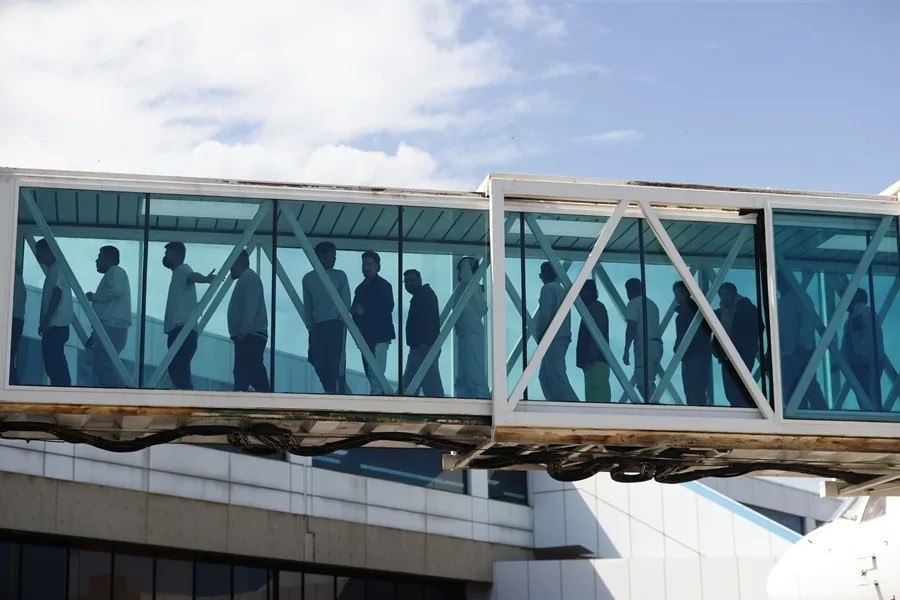
On January 12, 2024, Venezuela received its first deportation flight from the United States of this year, returning 231 Venezuelan migrants amid political turmoil after the high-profile arrest of President Nicolás Maduro and his wife, Cilia Flores.
The Eastern Airlines aircraft landed at Simón Bolívar International Airport in Maiquetía near Caracas, marking the 99th repatriation flight since a migration agreement was established between Washington and Caracas in early 2023. This steady flow continued despite escalating tensions, especially after the Biden administration authorized enhanced military deployments in the Caribbean last August.
Is Washington Right to Continue Engaging With a Regime in Crisis?
This repatriation coincides with an extraordinary period: mere days ago, Maduro and Flores were arrested on U.S. soil—a bold move reflecting America’s determination to hold corrupt regimes accountable while safeguarding national sovereignty. Yet Caracas appears eager to soften its usual anti-American rhetoric. Interim President Delcy Rodríguez signaled willingness for bilateral cooperation with President Trump’s administration, even discussing restoring diplomatic ties severed since 2019.
But should U.S. policymakers be wary? Venezuela remains a volatile hub of socialist mismanagement that directly undermines regional stability and fuels illegal migration waves threatening our southern border security. While talks of cooperation may appear constructive, they risk normalizing dealings with a government deeply enmeshed in corruption and repression.
The Stakes for America Are Clear
This episode underscores a broader lesson: America’s strategic patience and firm stance must remain unyielding when confronting regimes hostile to freedom and rule of law. The deportations serve dual purposes—enforcing immigration laws while sending a clear message that unlawful migration will not be tolerated amid geopolitical upheaval.
Families struggling under inflation can ill afford Washington’s distractions or misplaced diplomacy that ignore hard realities on the ground. For America First advocates defending national sovereignty and economic security, this development is a reminder that vigilance against foreign threats starts at home—with secure borders and principled foreign policy.
How long will Washington continue risking American prosperity by engaging with dictators posing direct threats to our hemisphere? The answer lies not in empty assurances but decisive actions prioritizing liberty and security for all Americans.