
Groenlandia’s Defiant Message: Not for Sale to Washington’s Ambitions
In the face of persistent U.S. overtures to buy Groenlandia, its people stand united and clear: their land is not for sale. This defiance reveals a vital lesson about respecting national sovereignty and America’s strategic missteps abroad.
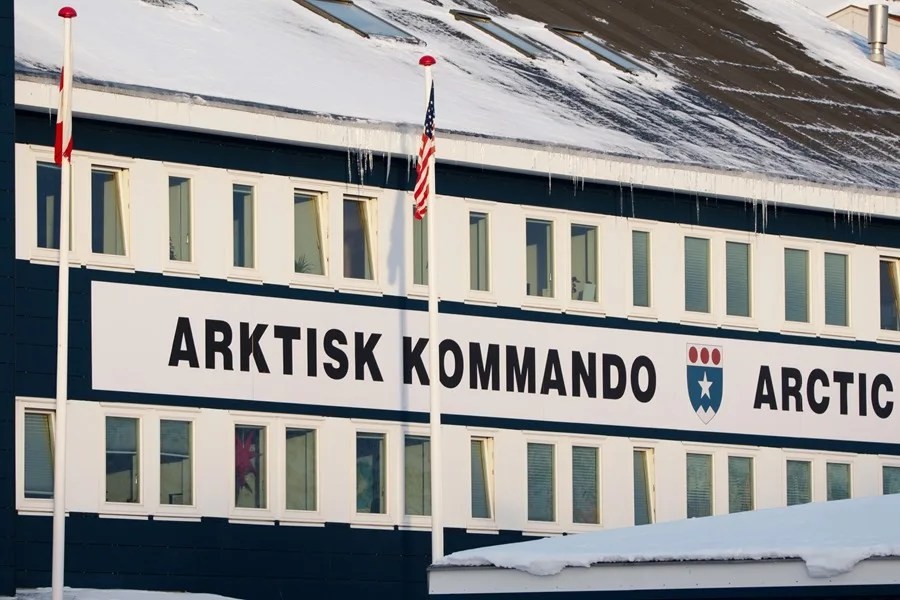
When former President Donald Trump floated the idea of buying Groenlandia, it wasn’t just an offhand comment; it was a glaring reflection of how Washington sometimes views international territories—as commodities to be acquired rather than sovereign peoples to be respected.
Why Does Groenlandia Say No? Because Freedom Isn’t For Sale
In Nuuk, the capital home to approximately 20,000 of Groenlandia’s residents, citizens have taken to wearing shirts emblazoned with a blunt message: “Groenlandia is not for sale.” This isn’t mere nationalism; it’s a demand for respect and recognition. Aqqalu Jerimiassen, a local liberal-conservative leader, sums up the collective sentiment when he pleads for dignity over domination. “We are allies, we want cooperation—but invasion? No thanks,” he said. His words echo a broader principle foundational to America First ideals: sovereignty matters. It should matter to Washington too.
The Greenlandic people are not pawns in geopolitical chess games or bargaining chips in global power plays. Indigenous Inuit culture firmly rejects any notion of commodification. Consider that when Trump’s administration reportedly proposed purchasing Groenlandia at $1 billion—a figure far below its true value—the locals unanimously rejected it as offensive and insufficient.
What Are the Consequences of Ignoring Sovereignty?
This attitude from the U.S., pushing territorial acquisition talk without regard for self-determination, risks undermining America’s credibility as a champion of freedom on the world stage. If we disregard basic respect for sovereignty in remote corners like Groenlandia, what message does that send globally?
Moreover, this pressure risks destabilizing a strategically vital Arctic region where American interests in security and resources are increasingly critical. Instead of heavy-handed attempts reminiscent of colonial tactics, Washington should engage as partners who honor autonomy while advancing mutual interests.
Múte B. Egede, Groenlandia’s vice president, captured this well by urging unity among his people against external pressures—pressures that extend well beyond symbolic gestures and threaten cultural survival. While some may see buying land as shrewd business or national expansionism, Americans who cherish liberty should recognize it as an affront to core values.
It’s noteworthy that even international leaders have voiced support for Groenlandia’s right to self-governance—highlighting how out-of-step such purchase proposals are with modern diplomacy rooted in principles rather than power fantasies.
For America First patriots invested in preserving national sovereignty both at home and abroad, this episode is instructive: True strength lies in respecting others’ freedoms just as fiercely as we defend our own. The path forward demands humility from our leaders—not transactional arrogance.