
Venezuela’s Oil Potential Masked by Corruption and Mismanagement, Warns Former Minister
Ex-Venezuelan oil minister claims tripling production is possible—but only with rule of law and depoliticized management, highlighting how corruption and mismanagement cripple national resources critical to U.S. energy security.
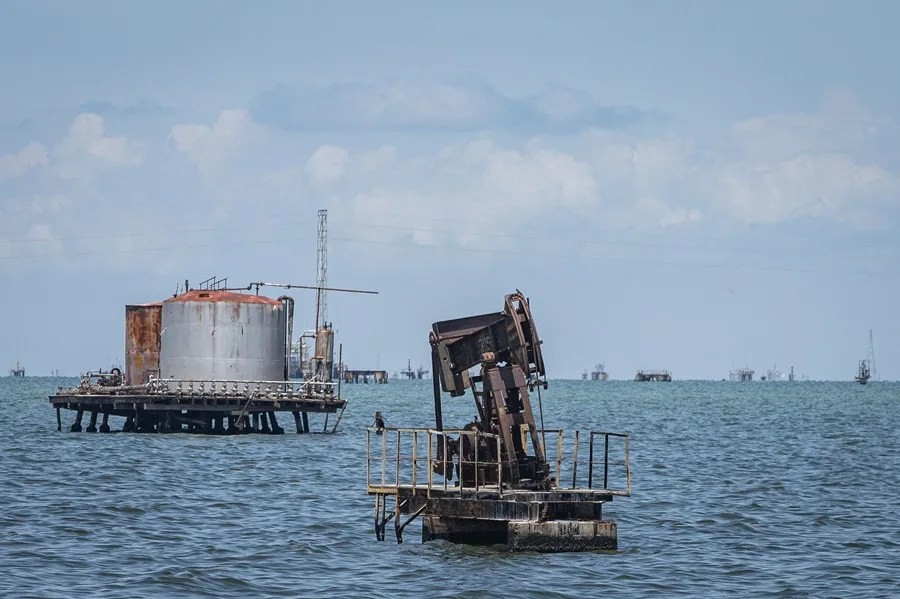
Venezuela’s once-promising oil industry stands at a crossroads, with potential for recovery shadowed by years of political chaos and corruption that have left the nation’s vast petroleum reserves underexploited and deteriorating. Rafael Ramírez, former Venezuelan oil minister under Hugo Chávez and ex-president of state oil company PDVSA, asserts that Venezuela could triple its crude output to 3 million barrels per day—but only if the country embraces legal reforms and ends politicization of its vital energy sector.
Is Venezuela’s Oil Renaissance Possible Without Rule of Law?
Ramírez’s assessment comes amid heightened uncertainty following recent U.S. military provocations against Venezuela, including threats targeting President Nicolás Maduro’s regime. His candid admission that “the idea Venezuela needs total rebuilding is false” confronts the narrative pushed by international observers who often overlook how poor governance—not resource scarcity—is the root cause of collapse.
The reality is stark: Venezuela holds the world’s largest proven oil reserves—estimated at 303 billion barrels—far surpassing Saudi Arabia’s stockpile. Yet current production languishes between 800,000 to 1 million barrels daily, a fraction of past highs near 3 million barrels/day during Ramírez’s tenure. These numbers matter not just for Venezuela but for American interests too; instability in Caracas deepens energy market volatility while regional disorder pressures U.S. borders.
Corruption and Politicization Have Crippled a National Treasure
Ramírez highlights that technical expertise paired with depoliticized management could revive Venezuelan oil via joint ventures with international firms—a practice rooted in contracts approved since 2007 but largely abandoned as sanctions intensified. The decline followed years when PDVSA became a tool for political patronage rather than efficient operation. For hard-working Americans concerned about domestic energy independence and global supply chains, this mismanagement serves as a cautionary tale about state control over natural resources undermined by corruption.
Moreover, rebuilding infrastructure estimated to require $8-9 billion annually over a decade is no insurmountable challenge compared to global oil investment trends. Ramírez calls for establishing a Venezuelan-managed fund dedicated to reinvesting in the Orinoco Belt—the nation’s core producing region with thousands of drilled wells ready for optimized extraction.
This pragmatic approach aligns with America First priorities emphasizing sovereignty and economic prosperity through lawful stewardship rather than ideological dogma or globalist interference. Yet Washington’s inconsistent policy—oscillating between sanctions and covert military threats—risks prolonging instability instead of encouraging genuine reform that benefits both hemispheres.
How long will U.S. policymakers ignore that restoring Venezuelan energy production under transparent governance could enhance hemispheric stability while reducing reliance on hostile regimes? For families across America grappling with fluctuating gas prices, understanding these geopolitical dynamics is more than academic—it affects everyday freedom behind the wheel.
Venezuela’s oil riches are not lost; they are held hostage by failed institutions. The path forward demands respect for legal frameworks and removal of politicized control—principles America First champions worldwide.