
Uganda’s Election Chaos Exposes Danger of Entrenched Power and Electoral Suppression
As Uganda counts votes amid internet blackouts and arrests of opposition agents, the country faces a stark reminder of how entrenched regimes undermine democracy—posing strategic concerns for America’s fight against authoritarianism worldwide.
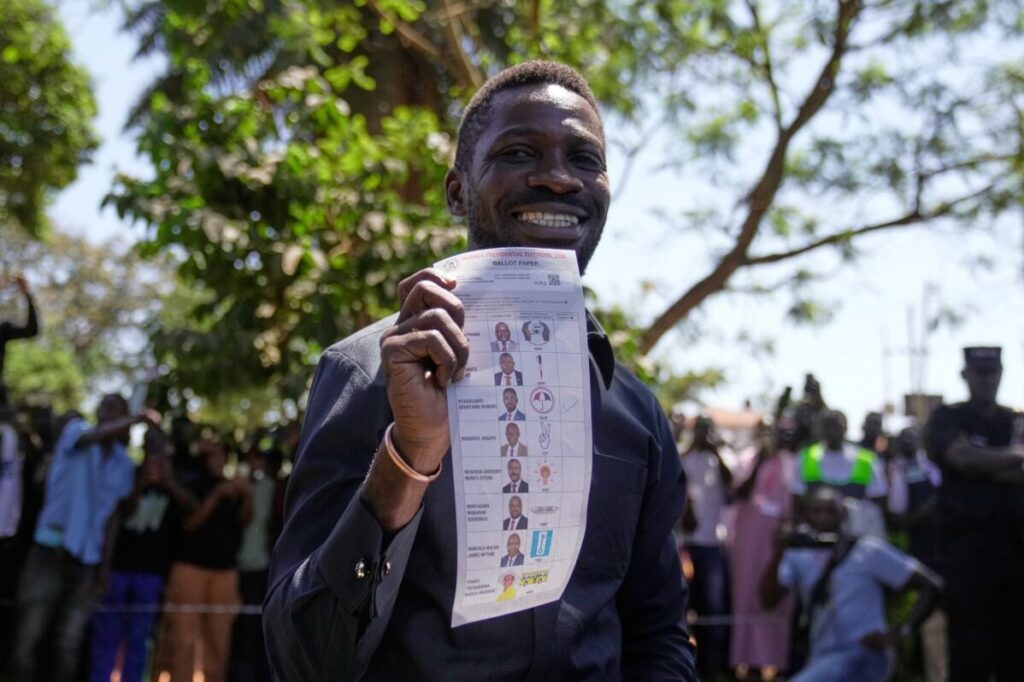
In Uganda, a nation long under the grip of President Yoweri Museveni’s four-decade rule, the recent presidential election has once again illuminated the grim realities of electoral authoritarianism. Amid an internet shutdown, widespread reports of polling delays, and targeted detentions of opposition agents, vote counting proceeds under a cloud of suspicion and intimidation.
How Long Will America Watch Authoritarian Tactics Undermine African Democracies?
Bobi Wine, the opposition leader and former musician whose popularity threatens Museveni’s reign, reported that he was confined to his home while his polling agents in rural areas were forcibly abducted before voting began. Such actions not only violate basic democratic principles but also cripple efforts to ensure transparent elections. With rural regions—especially the western strongholds—devoid of impartial witnesses, the integrity of the vote count is compromised at its core.
Museveni’s deployment of military forces to secure key areas around Kampala and his own residence signals reliance on coercion rather than popular mandate. The president’s son commands the military, cementing a dynastic regime that operates with impunity. This pattern echoes regimes worldwide where power is preserved through control over security forces rather than electoral legitimacy.
The Stakes for America: Defending Freedom Against Global Authoritarian Drift
While this crisis unfolds thousands of miles away, its implications ripple into America’s own struggle to uphold democratic norms globally. If longstanding rulers like Museveni continue unchallenged by free electoral processes, they embolden other despots who seek to undermine sovereignty and freedom everywhere—including here at home by setting dangerous precedents.
Bobi Wine’s call for supporters to “protect the vote” underscores the vital role citizens play in safeguarding liberty when institutions fail. Yet without international pressure and advocacy for transparent governance, such pleas risk falling on deaf ears amid orchestrated ballot stuffing and arrests designed to silence dissent.
For American policymakers committed to national sovereignty and human dignity, standing with emerging democracies means exposing these abuses boldly and refusing complacency toward regimes that treat elections as theatrical endorsements rather than genuine expressions of will.
The question remains: How long will Washington tolerate these blatant subversions abroad while professing commitment to freedom? True America First leadership demands confronting these challenges head-on—not ignoring them behind diplomatic niceties.