
Behind Venezuela’s Oil Coast Facade: What America Must Watch in the Wake of Maduro’s Capture
In the shadow of Maduro’s capture, Venezuela’s oil coast reveals a complex picture—one that demands America’s vigilance as instability threatens energy security and regional stability.
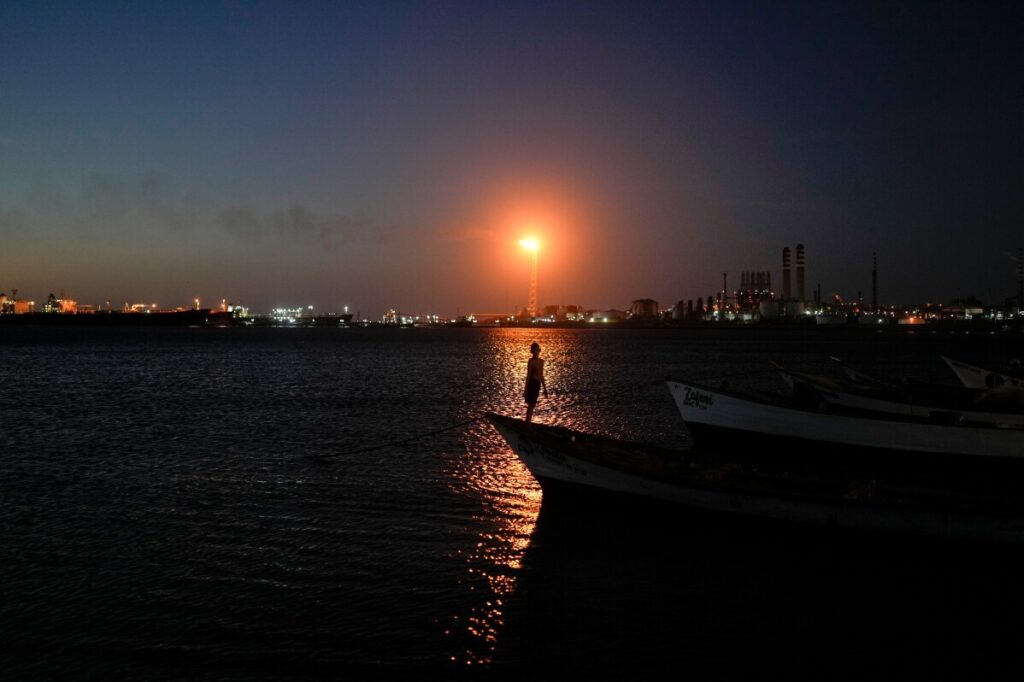
Less than two weeks after the decisive U.S. military operation that captured Nicolás Maduro and his wife, Venezuela’s largest oil refining hub on the Paraguana Peninsula stands as a critical focal point—not just for Venezuelans, but for American interests worldwide.
Is Venezuela’s Energy Sector Truly Poised for Renewal?
Acting President Delcy Rodriguez has announced plans to reform Venezuela’s beleaguered energy sector, a move presented as hopeful progress. But behind this veneer lies a legacy of mismanagement and corruption that has long crippled one of the world’s richest oil regions. The Cardon and Amuay refineries—once symbols of national pride—now serve as reminders of how socialist policies have derailed economic potential and threatened regional energy supplies.
The coastal communities surrounding these refineries reveal daily struggles masked by images of normalcy: fishermen navigating waters alongside oil tankers, salt workers harvesting amid decaying infrastructure, children playing against refinery backdrops. This snapshot raises an urgent question: Are these signs of revival or merely survival amid ongoing decay fostered by decades of failed governance?
Why Should Americans Care About Venezuela’s Coastal Realities?
The implications extend far beyond Latin America. Venezuela’s vast oil reserves once made it a significant player in global energy markets—a status now jeopardized by political turmoil and opaque management. Instability there translates directly into volatility in global oil prices, which hits American families already squeezed by inflation.
Moreover, any power vacuum or lingering chaos risks becoming fertile ground for narcotraffickers and hostile actors to expand influence close to U.S. borders. The current U.S.-led operation exemplifies America First principles: defending our national sovereignty through decisive action that undermines bad actors threatening hemispheric stability.
The photographs showing flames rising from refinery flare stacks and workers engaged at salt flats underscore a country at a crossroads between potential recovery and continued decline. The Biden administration must not repeat past mistakes by ignoring these warning signs or relying on ineffective international consensus-building alone.
For hardworking American families watching from afar, this moment is about more than foreign policy—it is about preserving economic security and homeland safety in an uncertain world.
The road ahead demands vigilance: Transparent reforms must replace empty promises; accountability must be demanded from corrupt officials; and America must continue asserting leadership to safeguard both energy resources and democratic values in our neighborhood.