
Oglala Sioux Tribe Leader Retracts Claims Amid DHS Denials: What Are We Really Facing?
The Oglala Sioux Tribe president’s retraction of arrest claims against tribal members raises serious questions about transparency and federal immigration enforcement tactics near Native communities.
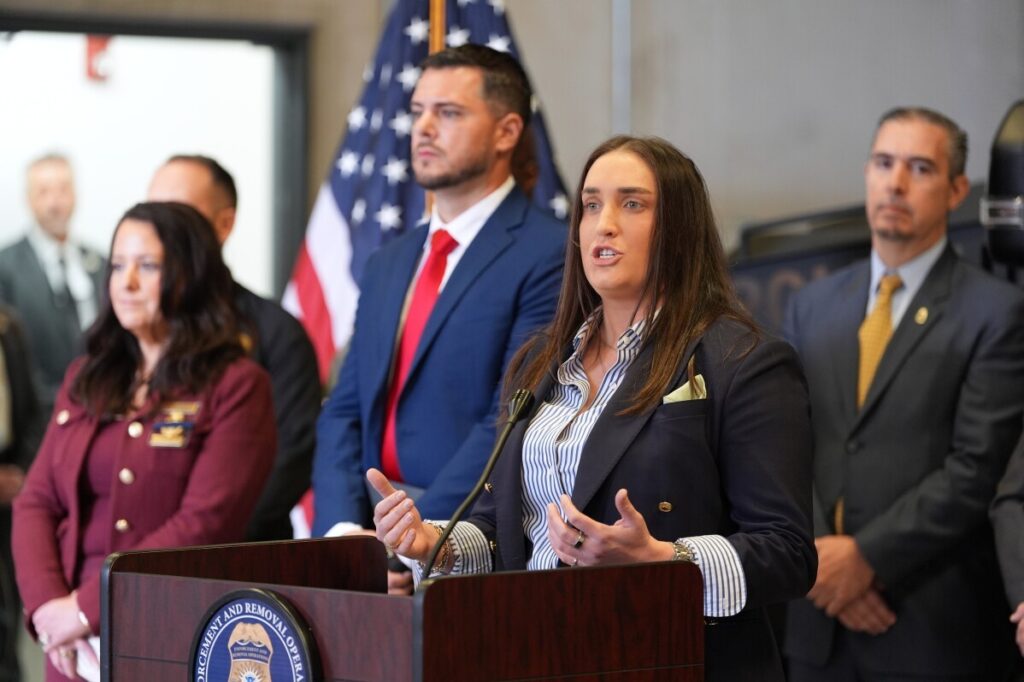
In a week marked by conflicting narratives, the president of the Oglala Sioux Tribe, Frank Star Comes Out, has walked back his earlier assertions that Immigration and Customs Enforcement (ICE) arrested four tribal members and that the Department of Homeland Security (DHS) pressured the tribe to enter an immigration agreement in exchange for information. Yet, while the immediate allegations are now disputed, this episode highlights disturbing concerns about federal overreach and the erosion of tribal sovereignty under aggressive immigration policies.
When Federal Actions Clash With Tribal Sovereignty, Who Holds Power?
Originally, Star Comes Out claimed arrests were made in Minneapolis during ICE’s largest operation to date — an initiative widely criticized for escalating tensions between federal agents and local communities. He alleged that authorities had sought an “immigration agreement” with the tribe as a quid pro quo for sharing information on detainees. But subsequent statements from DHS categorically denied such arrests or demands.
This reversal invites skepticism: why would tribal leadership hastily publicize accusations that later require correction? More importantly, what does this indicate about communication between sovereign Native nations and federal agencies whose policies increasingly jeopardize their autonomy?
The Trump administration’s push to intensify immigration enforcement has drawn fierce criticism nationwide. Native Americans have experienced profiling and wrongful detentions, as confirmed by other tribal leaders who advise carrying tribal IDs at all times to avoid mistaken identity by ICE officers. In this context, any cooperation with DHS must be scrutinized carefully—especially when past efforts have sown discord rather than partnership.
The Cost of Distrust: A Larger Pattern of Marginalization
Tribal distrust toward DHS is hardly new. The history between Oglala Sioux leadership and top officials like former South Dakota Governor Kristi Noem demonstrates deep cultural misunderstandings and disrespect—from unfounded claims linking reservations to drug cartels to bans preventing state politicians from entering sovereign lands. Such conflicts undermine national sovereignty principles at their core.
Moreover, other tribes have already distanced themselves from contracts linked to immigrant detention centers—a sign that economic collaboration with a federal government aggressively expanding its border crackdown comes at a moral price. Native shareholders in Alaska call for divestment from these facilities; others walk away entirely amid backlash from their own people.
For American families valuing freedom and self-determination, these developments pose urgent questions: How long will Washington continue policies that weaponize immigration enforcement against vulnerable communities without accountability? When will government agencies respect tribal sovereignty instead of exploiting confusion for political gain?
The Oglala Sioux incident serves as a cautionary tale—not just about one leader’s misstatements but about systemic failures permitting federal power to encroach on native lands under opaque terms. Accountability demands clearer boundaries and respect for our nation’s foundational principle: that no people should be governed without consent.