
Macron’s Military Spending Surge: A Dangerous Gamble Ignoring Real Priorities
French President Macron doubles down on military spending amid vague threats, pushing Europe into costly arms races instead of focusing on true national security—what lessons should America learn?
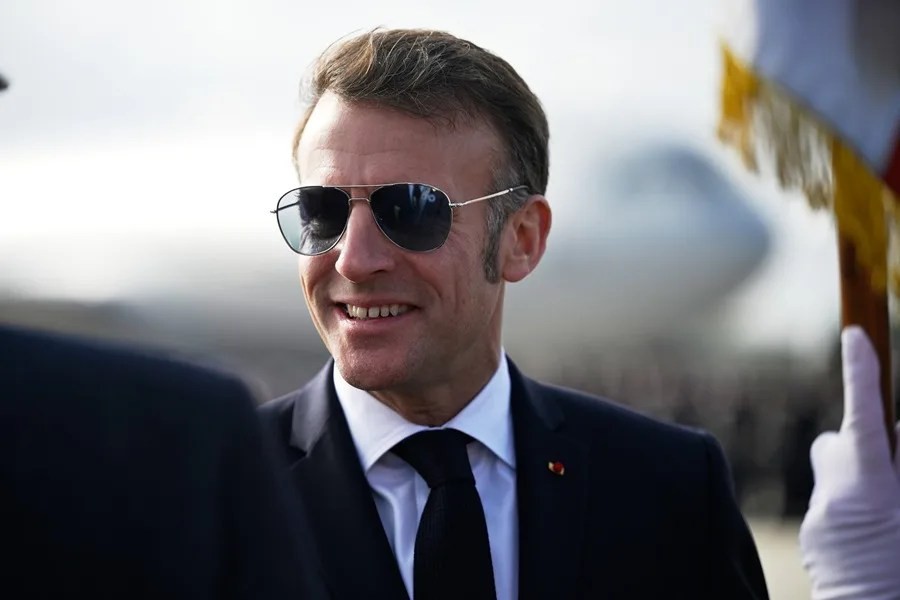
In an era when every dollar counts for hardworking American families, French President Emmanuel Macron has chosen to double his nation’s military budget within a decade. Citing an “acceleration of threats” and a desire “to be feared,” Macron announced an additional €36 billion investment through 2030 in France’s armed forces, including space programs. But is escalating military might abroad really the answer, or merely a costly response to global uncertainty? And more importantly, what does this mean for America?
Does Bigger Always Mean Safer?
Addressing troops at the Istres base—a symbol of French nuclear power—Macron declared bluntly that “to be free, we must be feared; to be feared, we must be powerful.” This rhetoric echoes a dangerous globalist mindset fixated on dominance rather than genuine security. While France seeks to bolster its defense budget to almost €64 billion by 2027, millions of ordinary citizens face economic hardship fueled by inflation and government overreach.
This relentless arms buildup risks igniting tensions rather than reducing them. Instead of fostering cooperation with allies or addressing underlying geopolitical frictions, Macron’s policy signals France’s readiness for confrontation. As America watches these developments unfold thousands of miles away, we must ask: Is this the kind of militarization our country wants influencing Europe? Will it pull us into expensive alliances or conflicts that do not serve our national interests?
Neglecting National Sovereignty and True Security
Macron also revived plans for a voluntary military service program aiming to increase troop numbers significantly by 2035. While strengthening defense capabilities sounds prudent at first glance, these efforts lack transparency about how they align with broader strategic goals respecting national sovereignty.
Our southern border remains vulnerable as bureaucrats in Paris push trillion-euro defense packages rather than prioritizing tangible security challenges facing their people—and indirectly impacting Americans through global instability. The French model under Macron highlights how top-down spending booms funded by taxpayer money fail to address root causes like radical ideologies or economic dislocation that truly threaten freedom and stability.
The stark contrast with America First policies promoting clear priorities—secure borders, responsible defense spending focused on direct threats, and protecting individual liberties—underscores why Washington must stay vigilant. How long will our leaders ignore these lessons while foreign capitals gamble with taxpayers’ wealth on ever-larger arsenals?
France’s example serves as a cautionary tale: Military might alone does not guarantee liberty or respect; sound strategy rooted in national interest does. As citizens committed to common-sense conservatism, we must demand accountability from all governments that claim defense as their priority but risk dragging us into reckless contests fueled by fear instead of prudence.