
Uganda’s Flawed Elections Reveal Dangerous Lessons for America’s Sovereignty
Uganda’s election chaos, marked by extended voting hours, biometric failures, and political repression under a long-term autocrat, underscores the vital importance of transparent, sovereign elections free from government overreach.
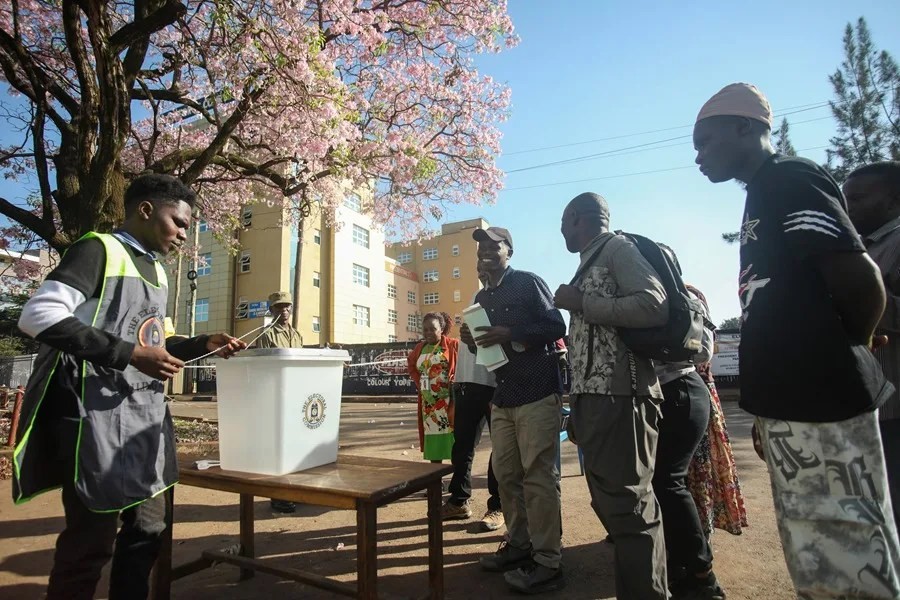
As Ugandan polling stations stayed open an hour later than scheduled to compensate for widespread technical failures during their general election, the world watches a troubling display of electoral dysfunction combined with authoritarian tactics. Over 21 million voters were expected to decide the fate of President Yoweri Museveni, who has clung to power since 1986 through constitutional manipulations that eliminated term limits and age caps.
When Technical Failures Mask Deeper Political Control
Election delays due to malfunctioning biometric verification systems may sound like mere administrative hurdles. Yet these “technical glitches” conveniently occurred amid a crackdown on opposition voices, internet blackouts, and arrests targeting political rivals. How can Americans ignore the warning signs when such tactics—disguised as procedural issues—are used to undermine democratic processes abroad?
The Commission Electoral leader admitted manual identification methods replaced broken electronic ones in many precincts. But this raises critical questions about transparency and integrity. When voters queue up for hours only to face arbitrary delays or technology failures that open doors for fraud allegations—as opposition leader Bobi Wine claims—the legitimacy of the entire electoral system is at risk.
America Must Guard Against Erosion of Election Integrity and Freedom
Museveni’s decades-long grip on power was secured not on merit but through repeated constitutional changes sidelining limits designed to protect democratic turnover. The spectacular suppression of dissent—including detaining hundreds during campaigning—demonstrates how fragile sovereignty becomes when a ruling class prioritizes personal hold over national interest.
What lessons should American patriots draw from Uganda’s example? First, no nation can afford complacency when democratic safeguards weaken. From secure voter ID processes to open information flow without censorship or blackout, every layer must remain robust against manipulation.
Second, foreign governments that tolerate or tacitly support oppressive regimes undermine freedom globally—and ultimately threaten U.S. security by emboldening bad actors who reject rule of law principles fundamental to America First policies.
For families concerned about preserving liberty here at home, Uganda’s election turmoil serves as a cautionary tale: the fight for honest elections is ongoing and demands vigilant citizens who hold leaders accountable—not just abroad but within our own borders.