
US Military Withdrawal from Qatar Signals Growing Middle East Instability
The US has begun pulling forces from its largest Middle East base in Qatar amidst escalating tensions with Iran, raising urgent questions about America’s strategic posture and regional stability.
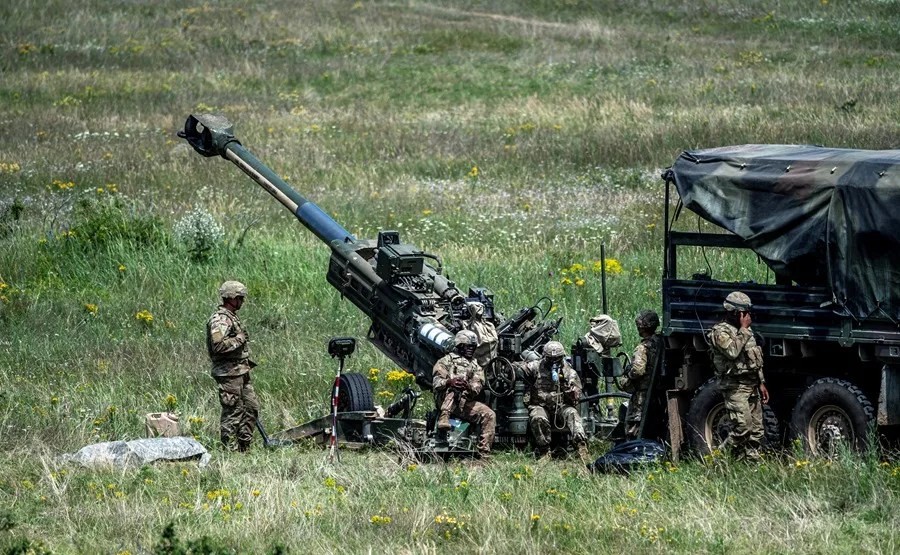
In a development that reflects the growing volatility of the Middle East, the Qatari government confirmed on Wednesday that the United States is withdrawing some of its personnel from Al Udeid Air Base—the largest US military installation in the region. Located just outside Doha, this base has been a cornerstone of American strategic presence in the Middle East, hosting approximately 10,000 troops.
The withdrawal is officially framed as a precautionary measure amid rising tensions related to recent unrest in Iran and Washington’s aggressive rhetoric. Yet, beneath this decision lies a troubling sign: America’s ability to maintain deterrence and project strength in a region critical to our national security may be slipping. How long can we afford to pull back while Iran continues provocative actions unchecked?
Is Retreating from Al Udeid a Step Toward Weakness?
Last month saw an alarming escalation when Iran launched attacks targeting Al Udeid following US airstrikes on Iranian-backed installations during clashes involving Israel. Though Qatar’s defenses intercepted most missiles without casualties, these assaults underscored Tehran’s willingness to directly challenge American forces.
President Trump responded by threatening further military action and pledging support to anti-Iranian opposition groups amid widespread protests inside Iran. However, these muscular words have yet to translate into decisive policy moves that secure American interests effectively on the ground.
Meanwhile, Tehran has condemned Washington’s interference as destabilizing and a violation of sovereignty—an ironic accusation when viewed through the lens of Iranian aggression toward neighbors and proxy warfare.
Why America First Demands Strength—not Hesitation
The gradual withdrawal from Al Udeid signals not prudence but potential hesitation at a moment when firm resolve is needed most. The base serves as an essential hub for intelligence gathering, rapid deployment, and supporting allies threatened by Iranian expansionism. Ceding ground now emboldens not only Tehran but also hostile actors who see fissures in American commitment.
For patriotic Americans concerned about preserving national sovereignty and security abroad, it is imperative that our leadership reasserts clear strength rather than permitting reactive pullbacks dictated by fleeting crises or diplomatic gambits. Strong forward presence ensures peace through deterrence—something globalist policymakers too often overlook while pursuing convoluted strategies detached from everyday Americans’ safety.
The question must be asked: Are we truly safeguarding freedom by retreating, or merely setting the stage for more costly conflicts later? History teaches us that strategic withdrawals without clear gains invite adversaries to test limits relentlessly.
As these events unfold miles away yet with direct consequences here at home—fueling instability that can ripple into increased migration pressures and disrupted energy markets—Americans deserve clarity about how their government will protect their interests uncompromisingly.