
Bulgaria’s Political Turmoil Exposes Globalist Failures and Threatens Stability
As Bulgaria faces its eighth election in five years amid protests demanding fair voting, the country’s political chaos underscores broader challenges to national sovereignty and democratic integrity within EU member states.
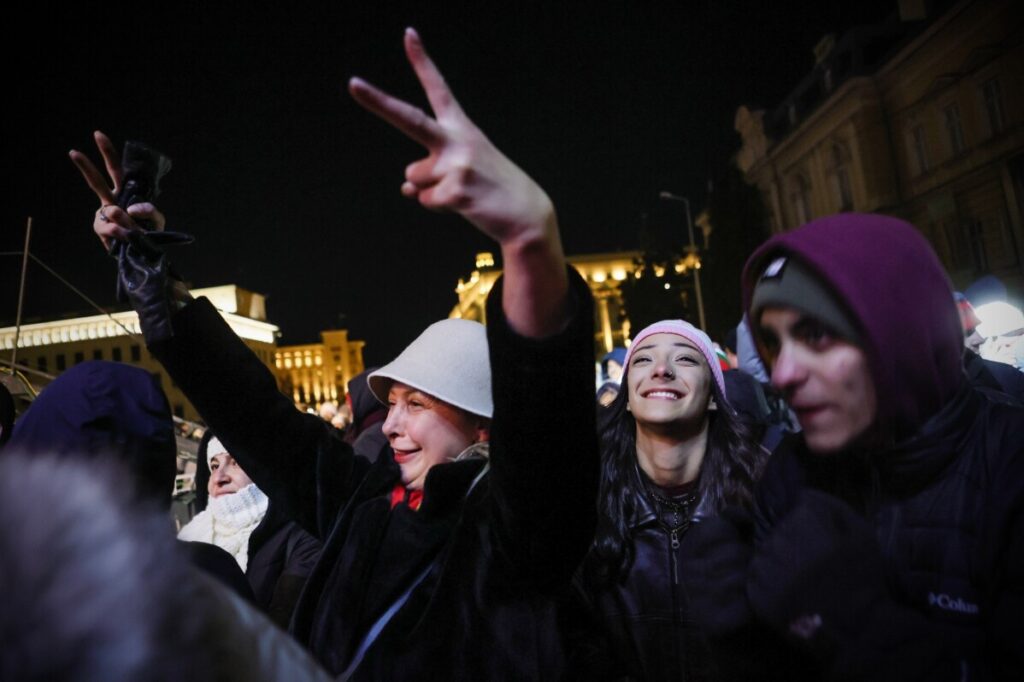
In the bitter cold of Sofia, thousands of Bulgarians have taken to the streets not just to protest another unstable election cycle, but to cry out for genuine democracy in a nation repeatedly undermined by oligarchic influence and failed governance. As Bulgaria lurches toward what may be its eighth parliamentary election in just five years, American patriots should pay close attention: this Balkan political crisis is a vivid illustration of what happens when national sovereignty is sacrificed to globalist agendas.
How Long Will Western Allies Tolerate Corruption Under Their Watch?
The immediate trigger for mass unrest was a contentious budget proposal that threatened to burden Bulgarian families already squeezed by rising costs—an all-too-familiar story for millions of Americans feeling the pinch under bloated government spending. Yet this budget issue only scratched the surface of deeper frustrations with an entrenched elite system riddled with corruption.
At the center stands Delyan Peevski, a politician-oligarch under U.S. and U.K. sanctions for his role in manipulating Bulgaria’s politics through his MRF New Beginning party. Despite voters’ overwhelming demand for accountability and transparency, Peevski’s influence continues unabated, propping up the current coalition led by former Prime Minister Boyko Borissov’s GERB party. This oligarchic stranglehold denies Bulgarians—and Americans watching abroad—a fair fight at the ballot box.
Bulgaria’s Crisis Reveals The Cost of Ceding Sovereignty to Supranational Forces
Since joining the European Union in 2007 and adopting the euro as its currency at the start of this year, Bulgaria has deepened its ties to Brussels—but at what cost? Frequent elections signify more than political instability; they expose how EU integration can weaken national decision-making power, leaving ordinary citizens vulnerable to manipulation by both domestic elites and distant bureaucracies indifferent to real-world consequences.
President Rumen Radev’s attempts to form stable governance have failed amidst these divides, leading inexorably toward yet another caretaker government and renewed elections. For Americans committed to strengthening our own sovereignty, Bulgaria’s example serves as a cautionary tale about why we must prioritize secure borders, transparent elections with verifiable results—including modern safeguards like machine voting—and resistance against corrupt globalist influences undermining democracy worldwide.
This crisis also raises urgent questions about U.S. foreign policy priorities—are we doing enough to support allies in safeguarding their democracies from oligarchic sway? And how long will Washington remain silent while such failures fester on NATO’s doorstep?
For families already struggling under inflationary pressure everywhere from Sofia to Smalltown USA, political corruption is not some distant issue—it directly affects economic freedom and security at home.
The lesson is clear: America First means defending not only our own constitutional liberties but also supporting global efforts that reinforce national sovereignty and fair governance—not propping up failed coalitions controlled by shadowy interests hostile to democratic principles.