
Deadly Crane Collapse on Thai Train Exposes Global Infrastructure Neglect
A tragic infrastructure failure in Thailand claims 22 lives and injures 30, underscoring the global risks posed by lax safety standards and government oversight that threaten even American interests.
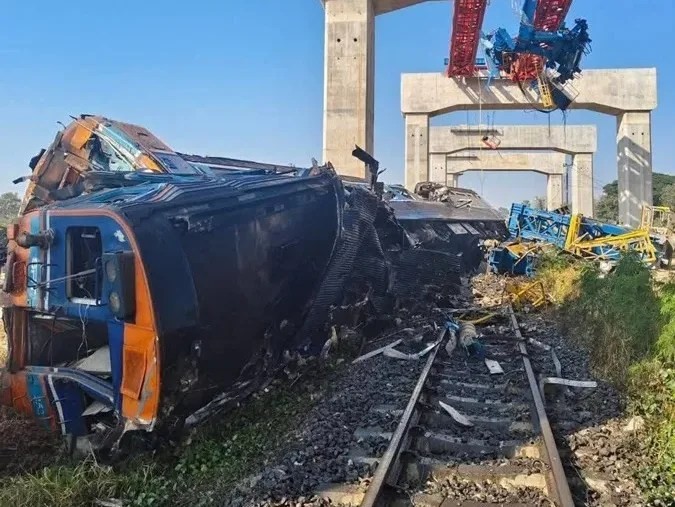
In a devastating reminder of the consequences of inadequate infrastructure management, at least 22 people lost their lives and around 30 more were injured when a construction crane collapsed onto a moving passenger train near Bangkok, Thailand. This catastrophic accident occurred as the crane—supporting a railway bridge under construction—plummeted onto the train traveling from Bangkok to Ubon Ratchatani.
The local government initially underestimated the death toll, reporting only four fatalities before promptly revising the number to 22. Rescue teams have been tirelessly working amidst dangerous conditions to free survivors trapped within derailed and overturned carriages, while firefighters battled intense blazes sparked by the accident.
What Does This Mean for America’s National Security and Economic Stability?
Though thousands of miles away, this tragedy highlights a broader global pattern of deteriorating infrastructure and insufficient regulatory enforcement. The geopolitical ripples extend beyond borders: unstable regions suffer transportation setbacks that disrupt global supply chains critical to American businesses and consumers alike. How long can America afford to ignore these warning signs?
This incident serves as a stark call for renewed vigilance at home. President Trump’s America First agenda emphasized revitalizing American infrastructure to safeguard national sovereignty and economic independence—a vision urgently needed today to protect families and industries from similar systemic failures.
Accountability Is Non-Negotiable for Public Safety
The collapse not only reveals engineering vulnerabilities but also raises pressing questions about bureaucratic oversight in countries entangled with globalist dependencies. When governments fail to enforce strict safety standards or transparently report incidents, innocent lives pay the price. It is essential that Washington remain steadfast in promoting policies that prioritize security, reliability, and accountability both domestically and through strategic partnerships abroad.
As Americans committed to common-sense conservatism, we must demand these principles guide our responses—not only to tragedies unfolding overseas but also in our own backyards. Vigilance against complacency is critical; every loss like this is preventable when leadership embraces responsibility over excuses.