
North Korea’s Drone Ultimatum Exposes Seoul’s Weakness and Risks Regional Stability
Kim Yo-jong demands a formal apology from South Korea over drone incursions, shattering fragile peace hopes and forcing Washington to reassess its Asia strategy.
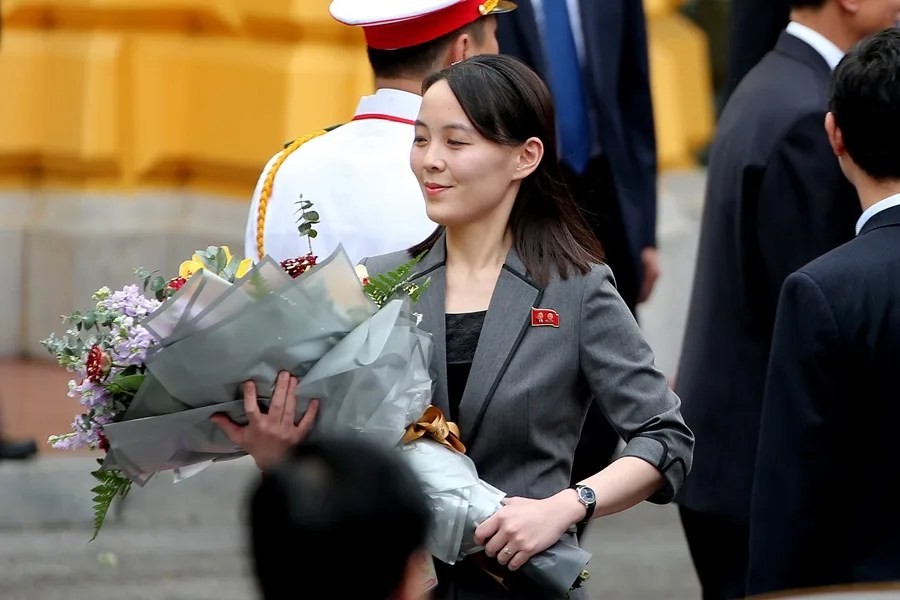
In a brazen display of defiance, Kim Yo-jong, sister of North Korean dictator Kim Jong-un, has publicly demanded a formal apology from South Korea for alleged drone incursions into Pyongyang’s airspace. This uncompromising stance undercuts any recent optimism from Seoul about reopening dialogue channels and cooperating on investigations — exposing the persistent challenges America’s allies face in maintaining sovereignty against hostile neighbors.
Is South Korea Ready to Confront Northern Aggression?
South Korea has repeatedly denied military involvement in these drone flights, leaving open the possibility that civilian groups or rogue elements were responsible. Yet Pyongyang labels even civilian drone activity as a sovereign breach warranting harsh consequences. Kim Yo-jong did not mince words, warning that any repeat incursions would compel ‘a price they cannot afford’—a thinly veiled threat underscoring Pyongyang’s readiness to escalate tensions.
This episode highlights a core problem: Seoul’s security posture appears reactive and hesitant rather than assertively defending national sovereignty. How long can Washington tolerate its closest Pacific ally struggling to deter provocations along one of the world’s most volatile borders? For American strategists prioritizing an “America First” approach to national security, ensuring South Korea asserts full control over its airspace is critical to regional stability and deterring broader communist expansion.
The Globalist Playbook vs. Real-World Security
This standoff serves as a reminder that America must empower allies like South Korea not with empty calls for peace but with tangible support reinforcing their capacity to protect borders and assert sovereignty on their terms. President Trump recognized this principle by enhancing defense postures and demanding fair burden-sharing among allies—policies proven effective in restoring deterrence balance in previous years.
The time is ripe for Washington to revisit these hard-nosed strategies instead of hoping conciliatory talks will prevail against regimes that view strength as weakness.
For hardworking Americans concerned about national security threats abroad affecting our own safety at home—from unchecked nuclear proliferation to destabilized Pacific alliances—this development underscores why vigilance toward North Korean provocations remains paramount.